
Whole-system duct and dryer vent check with before-and-after photos - you see exactly what came out of your vents
That "$99 whole-house special" is a bait ad - the real number appears once they are in your hallway, or the "clean" is a shop-vac at the register. We photograph the inside of your ducts before and after instead.
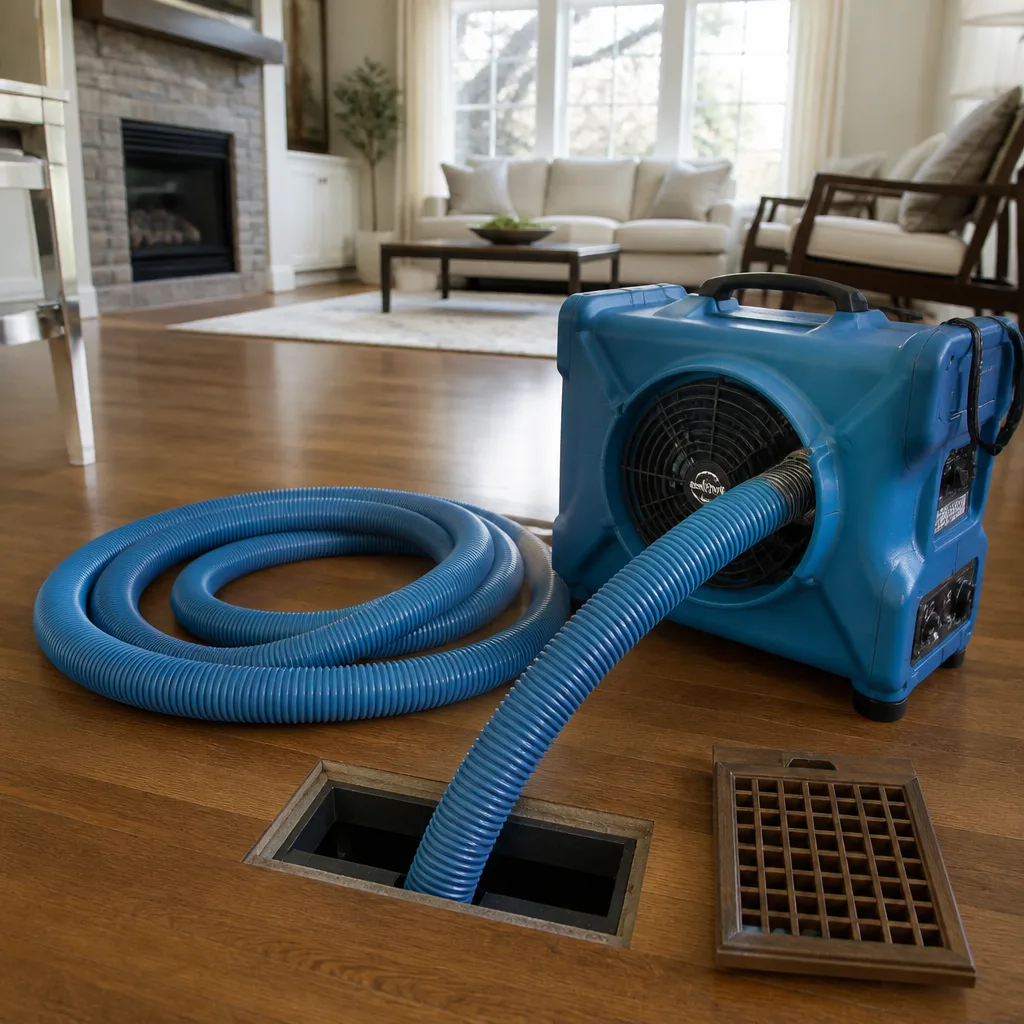
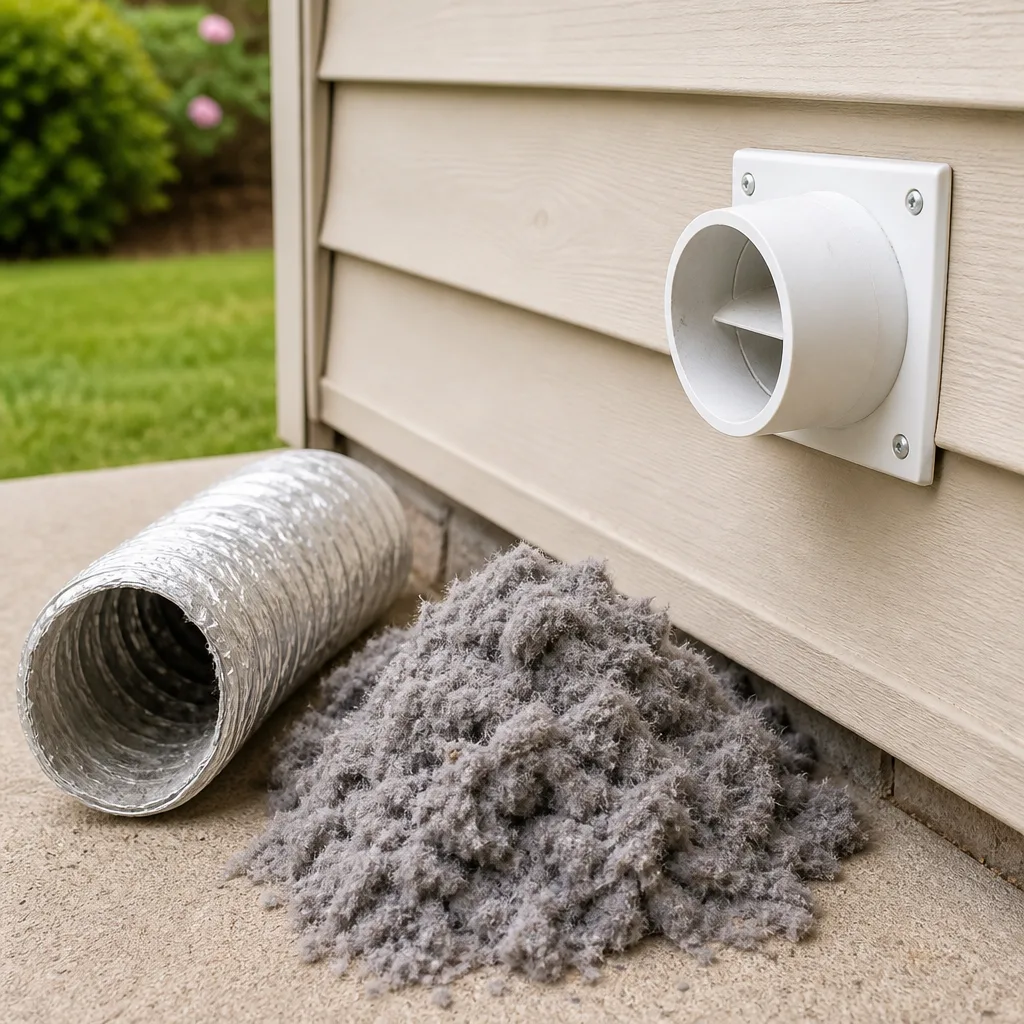
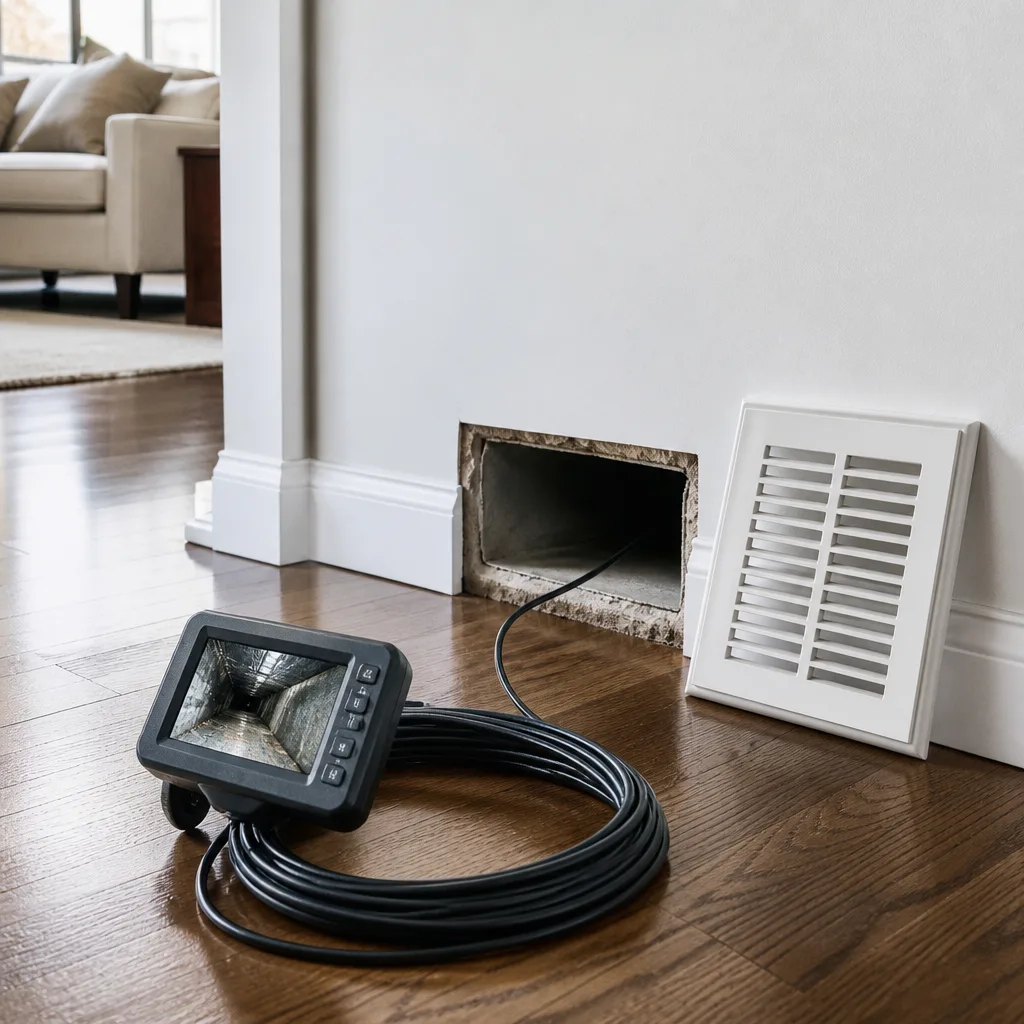
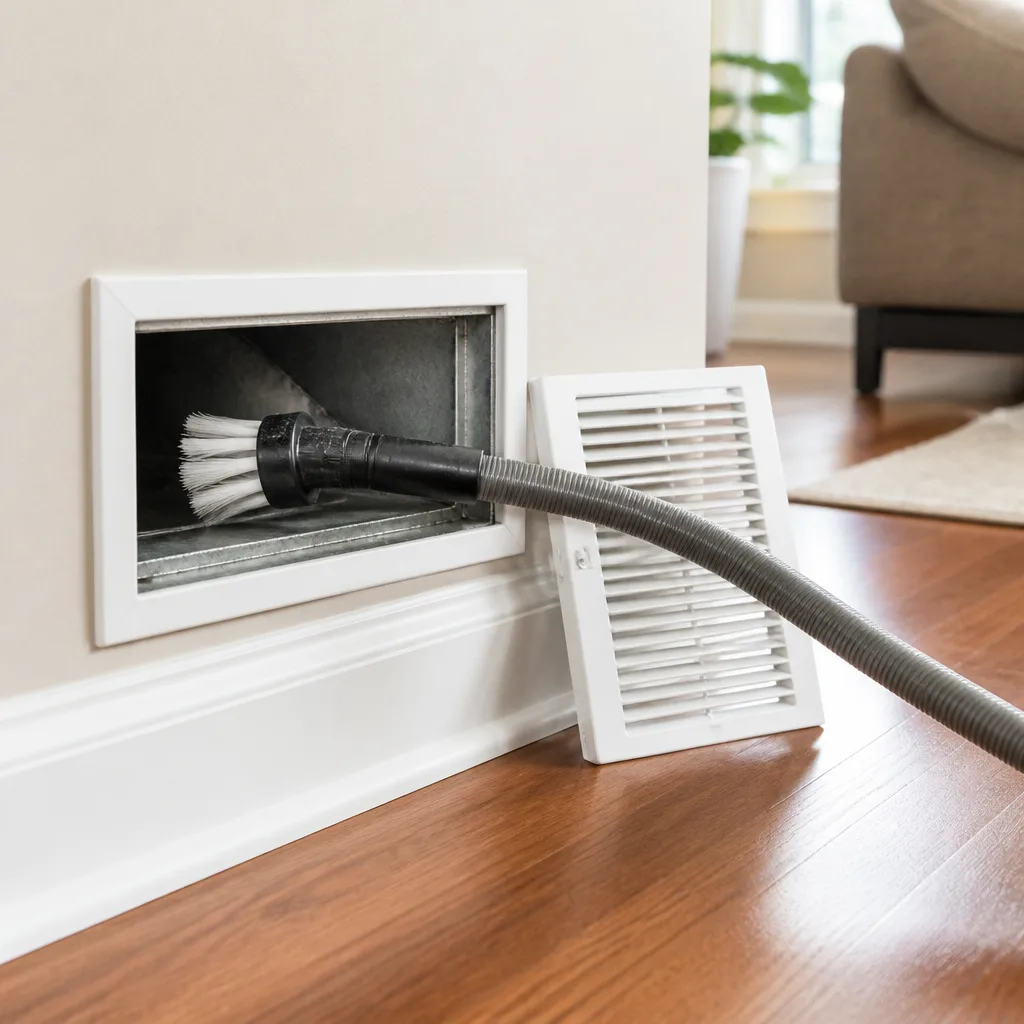
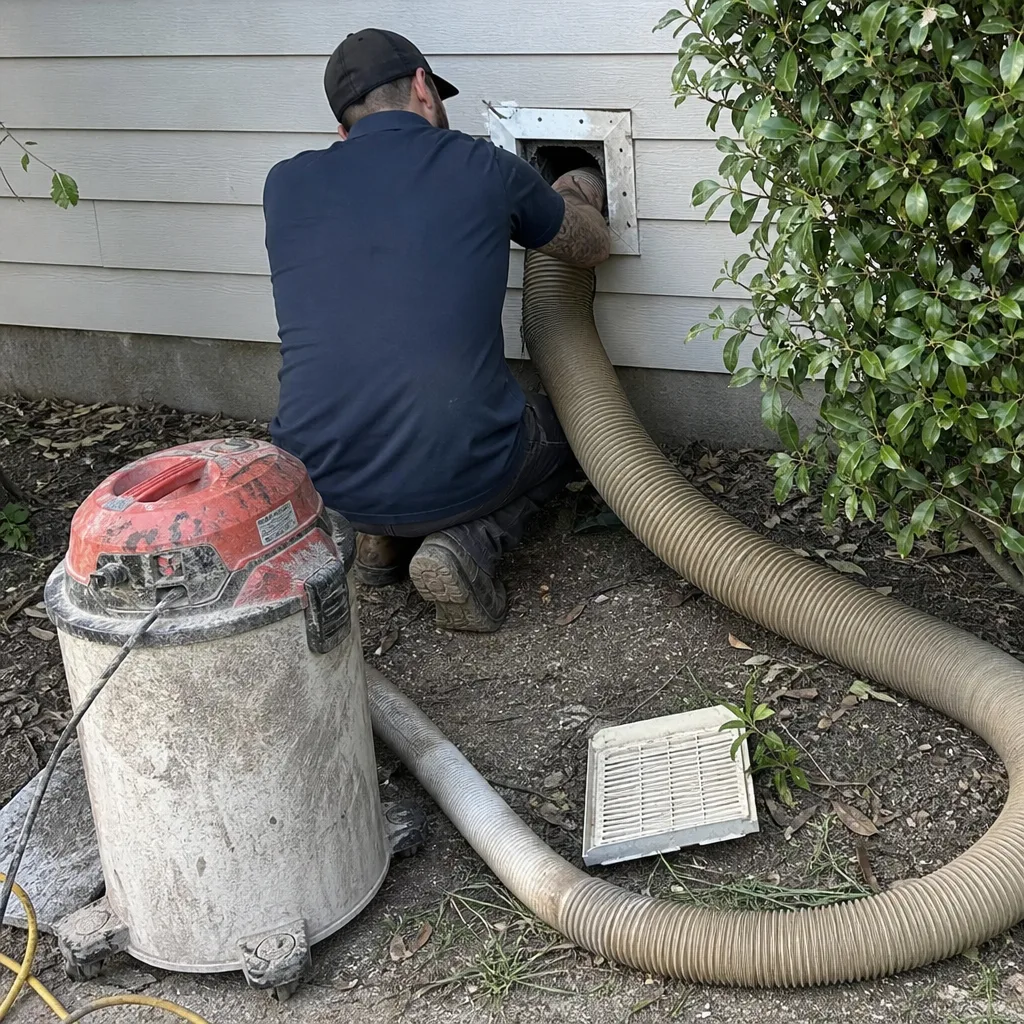 Before
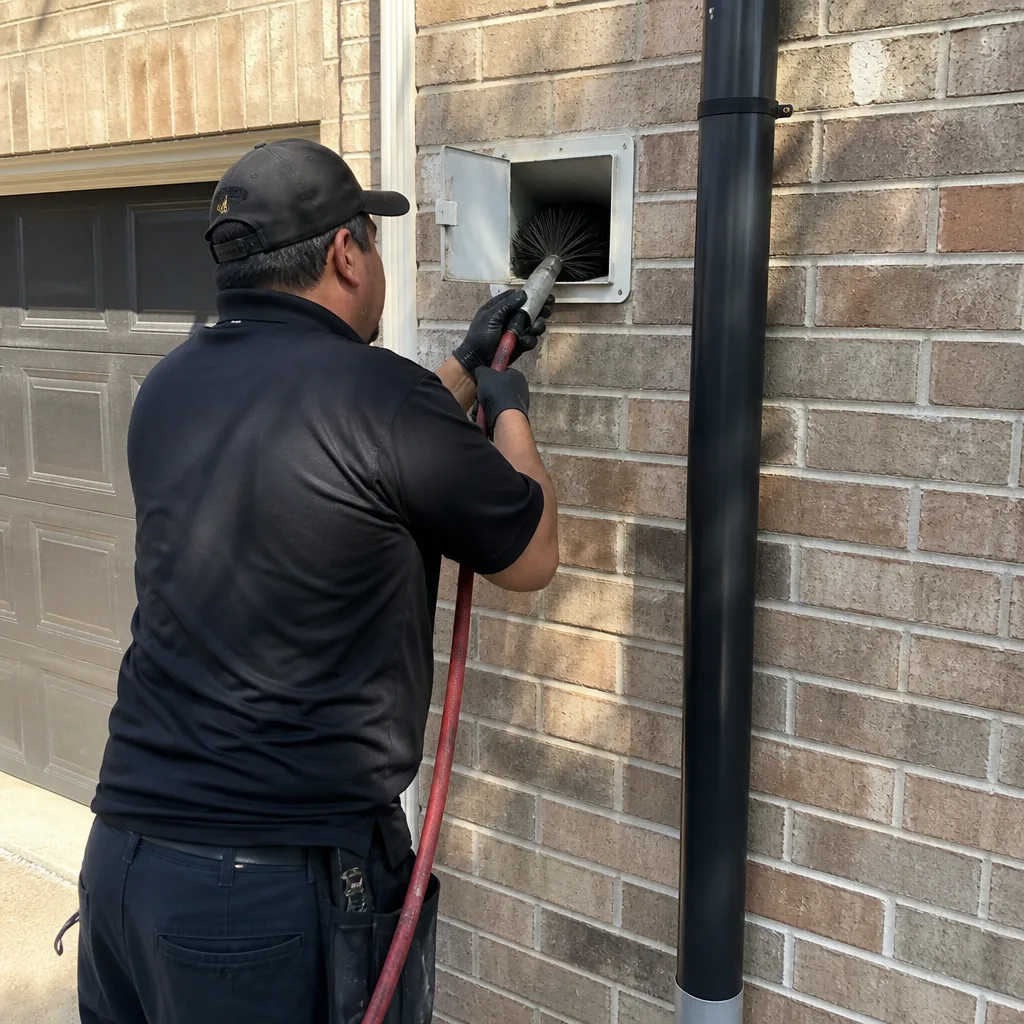 After
After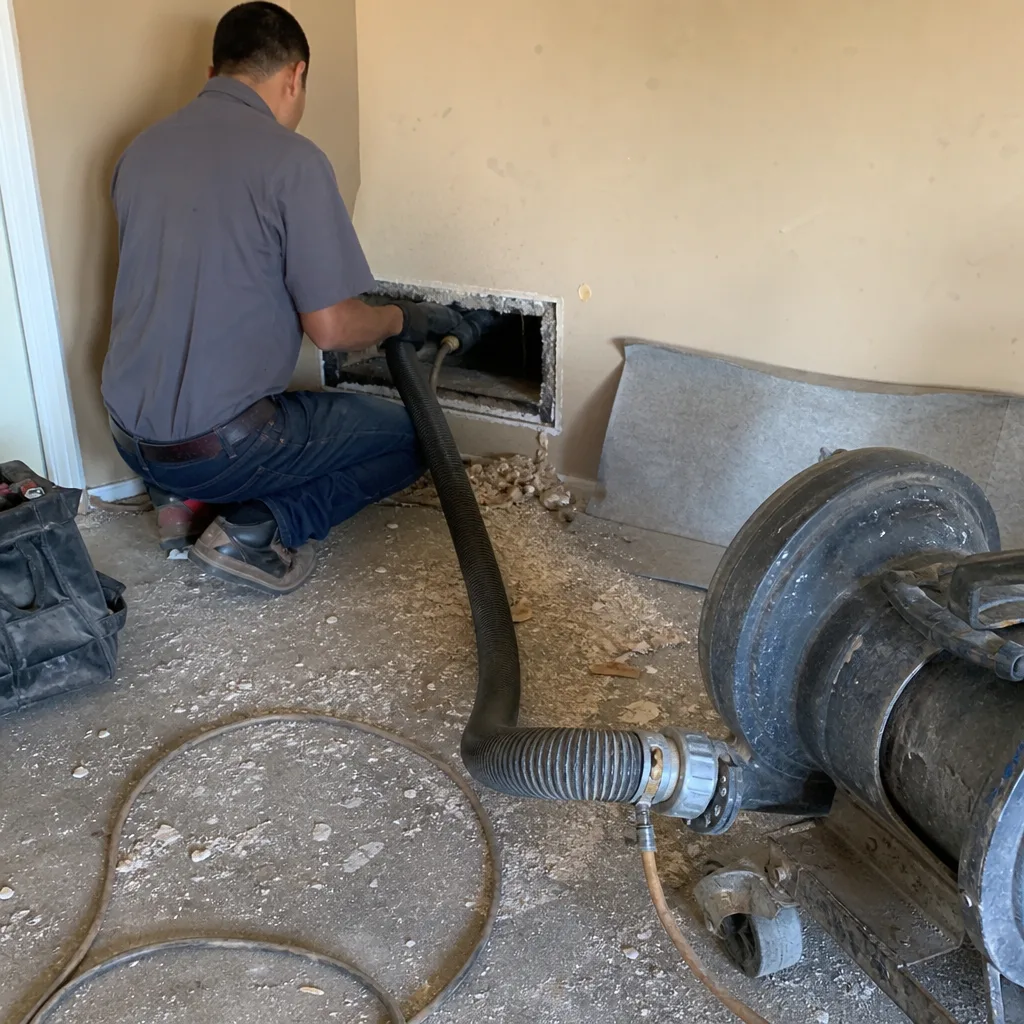 Before
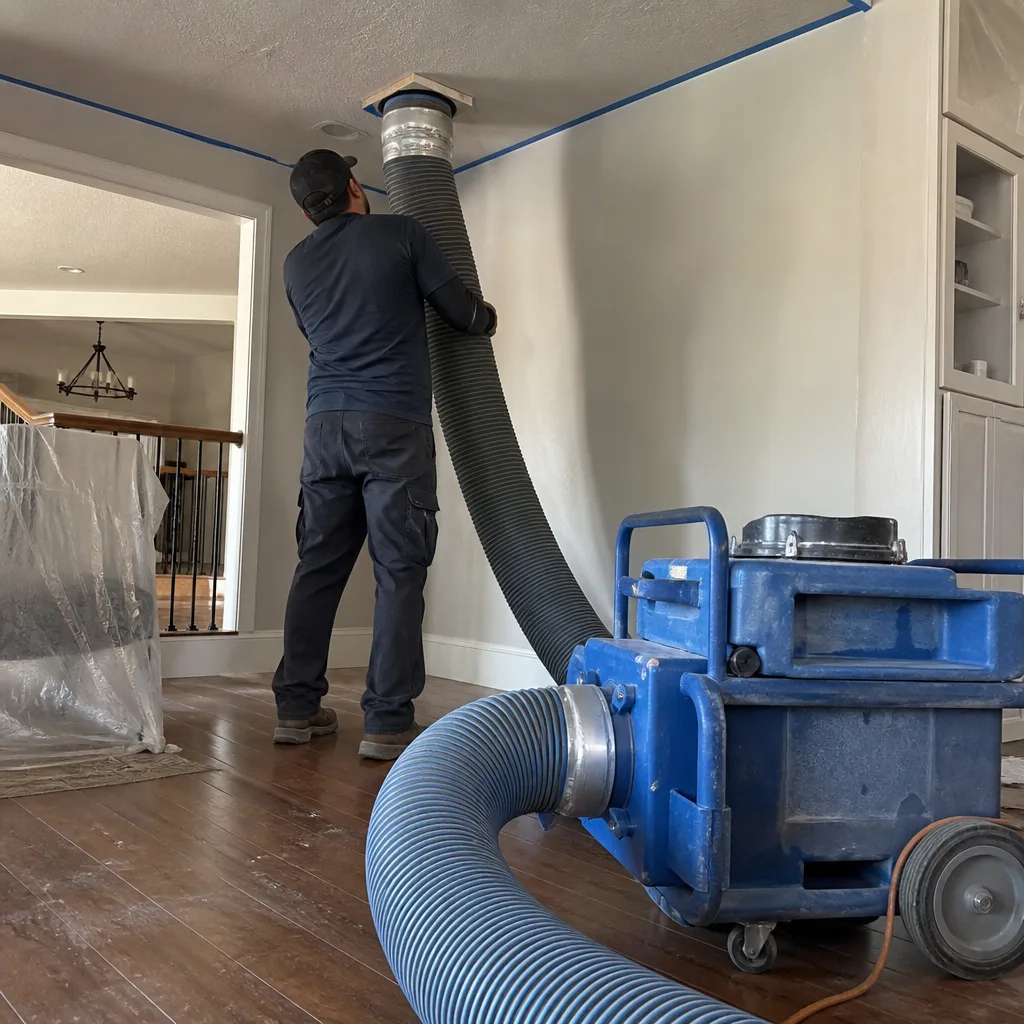 After
After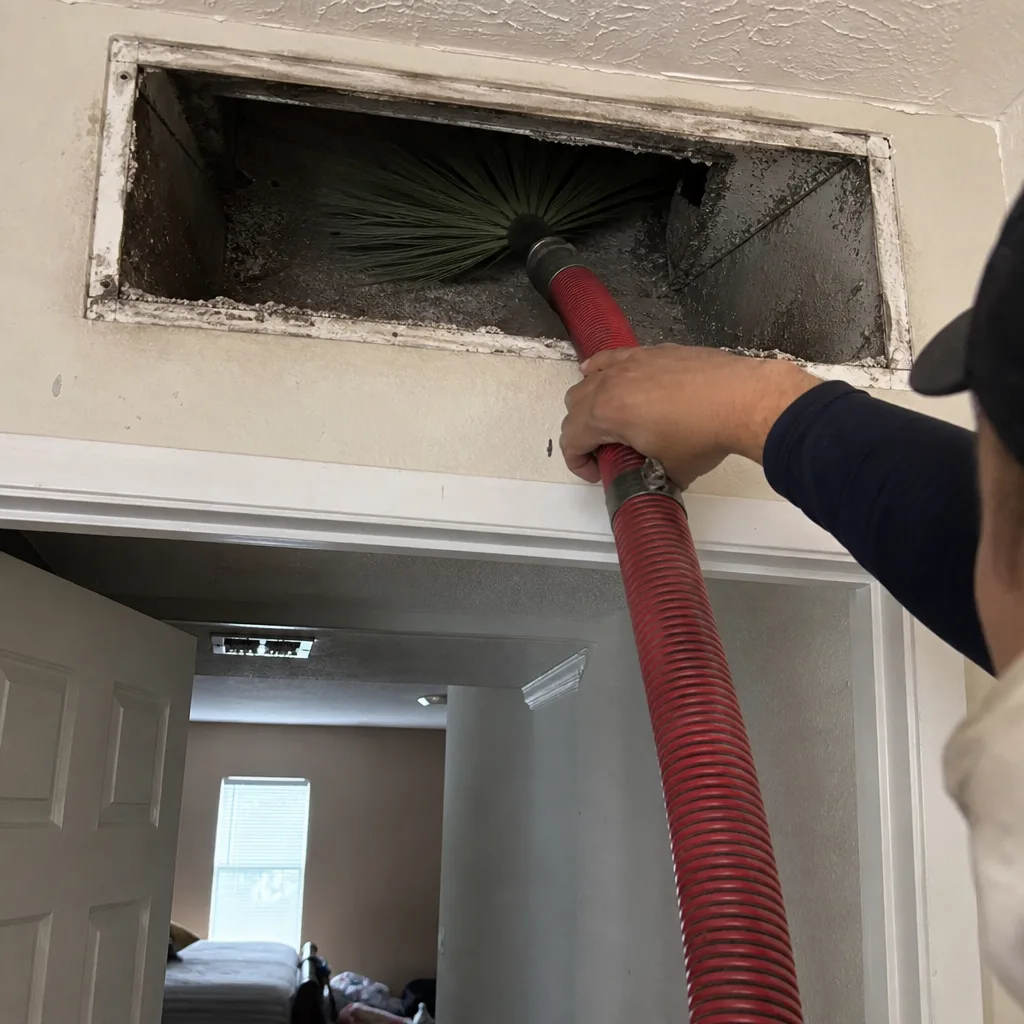 Before
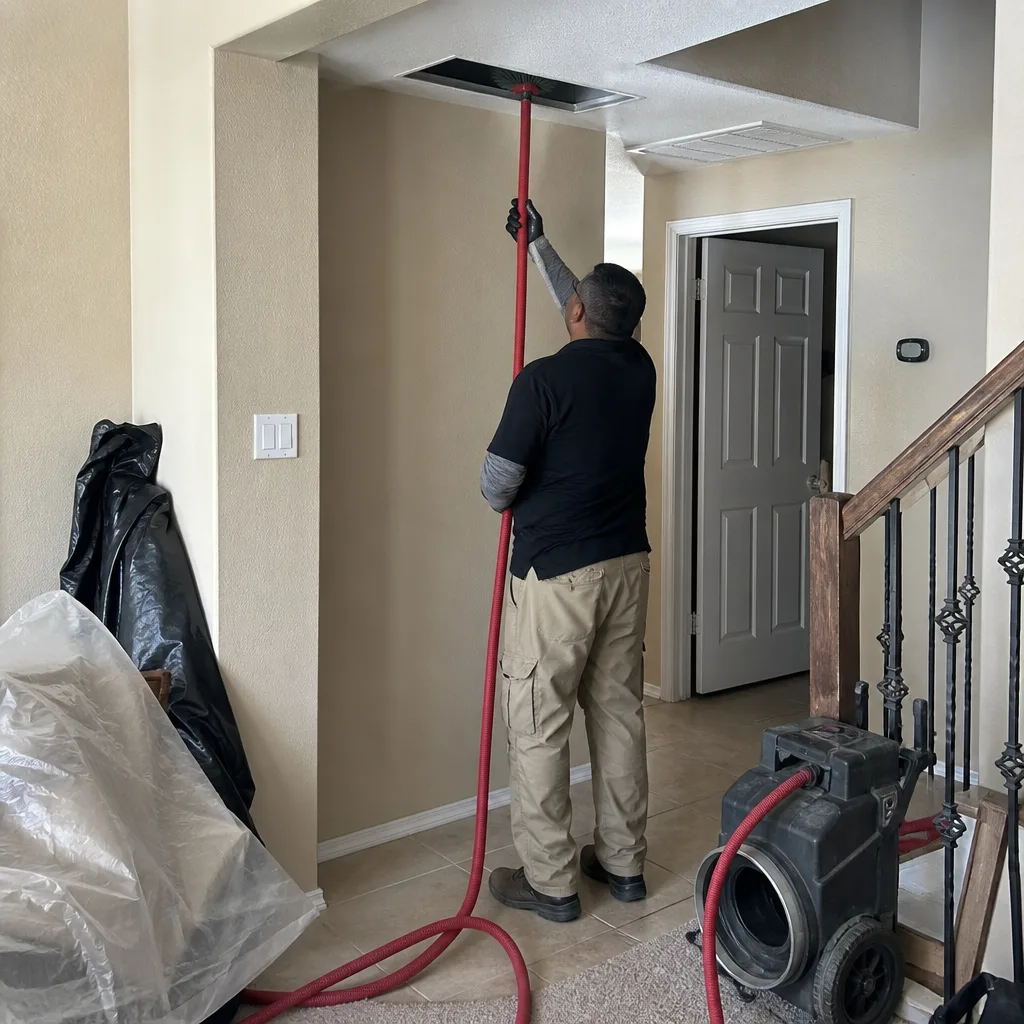 After
AfterNikro Duct Sealing & Repair: The Katy Owner’s Guide
We stock and install Nikro-compatible duct sealing and repair components for residential systems across Katy, with most jobs running $280-$520 installed depending on access and the extent of seal failure. Same-day service is available when the part is on our truck, which it usually is for the common Nikro series we see in this market. Most Katy homeowners discover the problem through uneven room temperatures, a spike in their CenterPoint Energy bill, or visible dust blowing from a register that was supposedly sealed during a previous cleaning.
We’ve been running Nikro equipment since CleanRun started in 2013, and we’ve learned which parts hold up in Houston’s humidity and which don’t. The before photo does the talking. Everything after that is just paperwork.
Which Nikro Models This Applies To
Nikro’s residential duct sealing lineup breaks into a few distinct series, and matching the right component matters more than most homeowners realize. The NIKRO DV Series (DV85, DV85-LP, DV200) uses a different seal cartridge geometry than the NIKRO APS-2 and APS-3 portable units, though the elastomer compound looks identical at a glance. The DV85 and DV85-LP share a seal ring; the DV200 takes a wider-diameter version that will not seat properly if substituted. For the APS units, the seal assembly is integrated with the pressure manifold, so you’re replacing the whole manifold-seal unit rather than a standalone gasket.
To identify your unit, check the data plate on the motor housing, not the wand handle. The plate lists the model, serial prefix, and rated pressure in PSI. If the plate is worn off (common on units bought secondhand), measure the seal groove: DV series runs 2.875 inches, APS units run 3.125 inches. We carry both OEM Nikro seals and a quality aftermarket equivalent from Abatement Technologies that meets the same durometer and temperature specs. The aftermarket saves roughly $40-$60 on the part, but we default to OEM on units still under manufacturer warranty. CleanRun Air Duct Cleaning Katy is an independent service provider, not affiliated with Nikro.
Signs Your Nikro Duct Sealing & Repair Is Failing
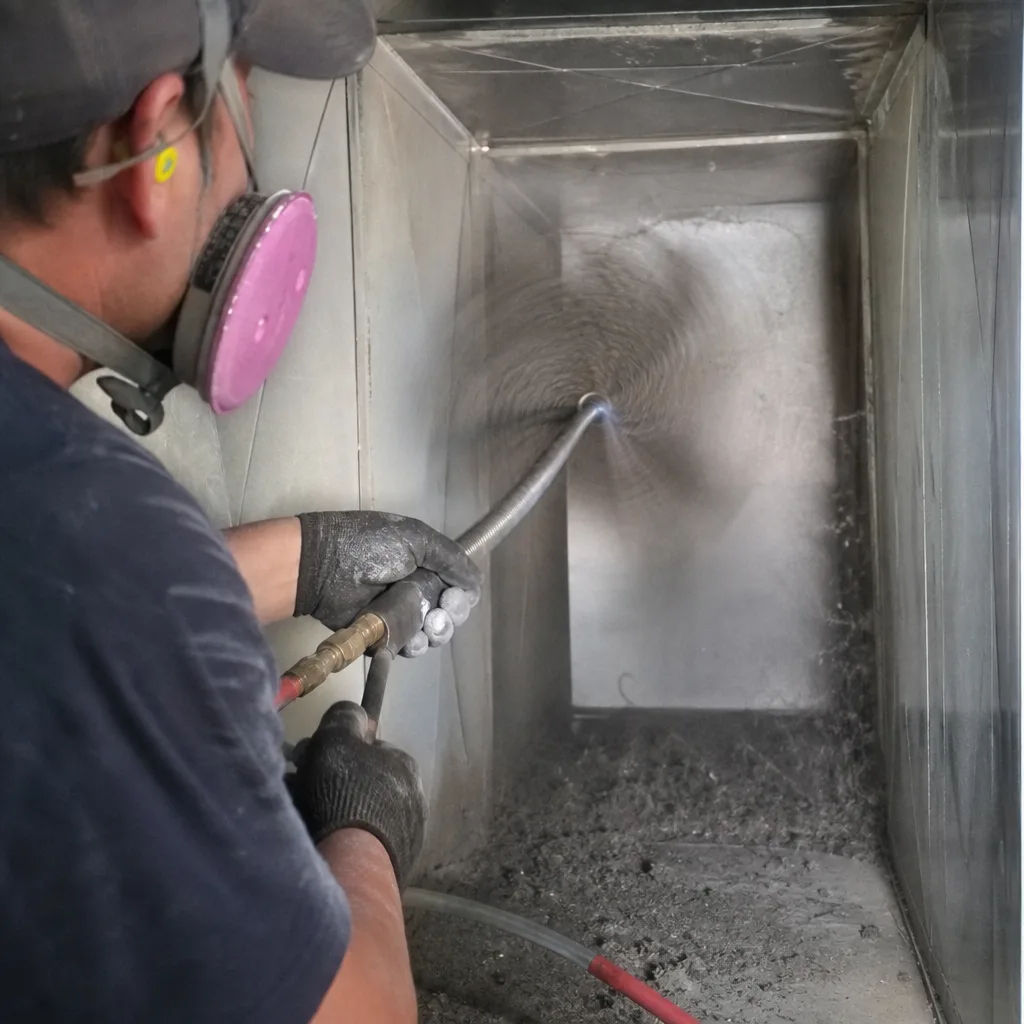
- Uneven cooling or heating across rooms. When the seal degrades, pressurized sealant leaks at the joint instead of coating the duct interior. The camera shows bare metal at the leak point while adjacent runs have full coverage. Katy homeowners in neighborhoods like Cinco Ranch often notice this first in second-story bedrooms.
- Dust or debris visible at registers shortly after cleaning. A failed seal lets the vacuum pull debris backward through the system during extraction. We photographed this exact failure in a 2019 build near LaCenterra - the register looked clean, but the camera showed a 4-inch debris ring where the seal had cracked.
- Hissing or whistling during system operation. Air escaping through a compromised seal joint creates turbulence. The sound localizes near the plenum or at the first elbow, depending on where the pressure loss is worst.
- Sealant pooling in low sections of ductwork. When the seal fails mid-application, gravity pulls the uncured compound downward. We find this in older ranch-style homes near Mason Road where the duct runs have minimal slope.
- Unit fails to hold negative pressure during testing. Nikro systems run a pressure verification before and after sealing. A drop of more than 15 percent between tests indicates seal failure, not duct leakage. We document this with the pressure log, included in the photo record we deliver.
BeforeAfterReplacement Cost & What’s Included
In Katy, Nikro duct seal replacement runs $280-$520 installed, with most jobs landing near $380. The range reflects three factors: access (crawl space vs. attic vs. garage-mounted plenum), whether we’re replacing a standalone seal or the integrated manifold-seal assembly, and whether the failure damaged adjacent components that need inspection.
Every quote breaks out parts and labor separately, per Haven Standard Clause 1. The seal or manifold assembly, pressure testing, re-application of sealant where needed, and full photo documentation are all included. We also run a post-install pressure verification and include the log in your job record. The work is backed by our 365-Day Done Right Promise - if the seal fails again within a year, we replace it at no charge. That’s written on the invoice, not mentioned in passing.
Equipment on this job includes our Nikro unit plus verification tools from Honeywell and Aprilaire - brands you can look up independently.
DIY or Call Us?
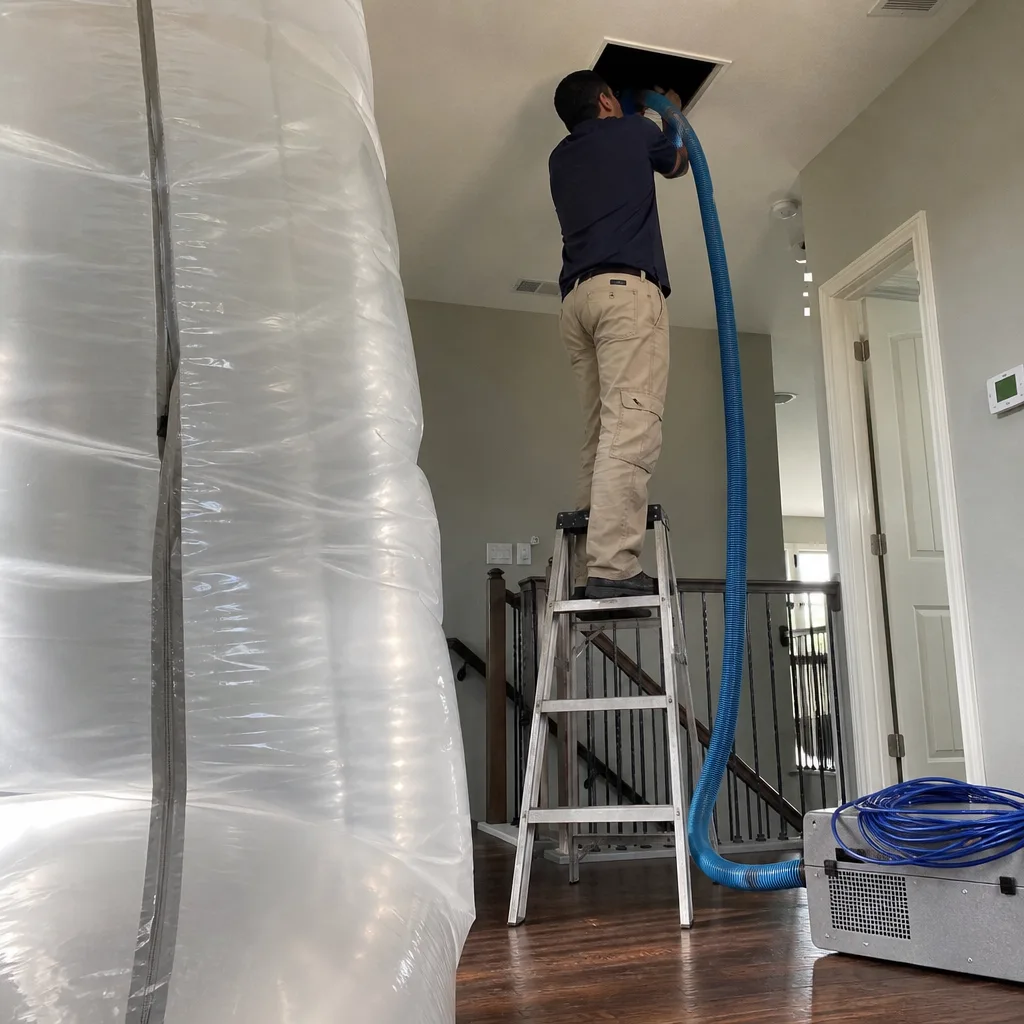
There’s a safe middle ground here, and then there’s the point where DIY costs more than it saves.
What you can check safely: Verify the model number on your data plate. Inspect visible seal joints for cracking or compound separation. Listen for the hiss pattern we described above. These steps help you describe the problem accurately when you call.
Where DIY goes wrong: The seal replacement itself requires de-pressurizing the system, removing the manifold without damaging the pressure sensor (a $180 part if snapped), and re-torquing to Nikro’s spec - 18 ft-lbs on DV series, 22 ft-lbs on APS. Over-torque cracks the housing. Under-torque leaks. The sealant compound is a two-part aerosol that sets in about 90 seconds; misapplication means pulling the camera, finding bare spots, and starting over. We’ve been called to three Katy homes this year where the homeowner’s DIY attempt turned a $340 seal replacement into a $780 manifold-and-seal job.
Tomas Reyes grew up in the Bronx, picked up his HVAC fundamentals at Bronx Community College, and has spent the better part of two decades running jobs across the Houston metro. He’s seen enough to know when a homeowner can save money and when they’re about to buy a lesson.
For a written price before any work starts, call (346) 666-7165. Estimates are free. We bring the photo record, the pressure log, and the warranty in writing.
FAQs
In our climate, a properly installed Nikro seal typically lasts 8-12 years. Houston’s humidity and the thermal cycling from long AC seasons accelerate elastomer fatigue compared to drier markets. We’ve replaced seals in 6-year-old units where the compound hardened prematurely, usually due to incorrect storage temperature before installation. Call (346) 666-7165 if you’re unsure of your seal’s age - we can date it from the serial prefix during inspection.
No. Once the elastomer cracks or separates, patch compounds don’t hold at operating pressure. We’ve tested field repairs on our own equipment; they fail within 30 days under negative pressure. Replacement is the only reliable fix. We quote the full replacement price in writing before starting.
Most Nikro seal replacements take 90 minutes to 2.5 hours, depending on access and whether we’re working around existing insulation. APS manifold-seal assemblies add 30-45 minutes because the pressure sensor must be recalibrated after reassembly. We photograph every step and include the sequence in your documented photo record.
We carry DV series seals, APS manifold-seal assemblies, and the Abatement Technologies aftermarket equivalent on every service vehicle. Less common Nikro configurations we can source same-day from our Houston supplier. If your model is unusual, we’ll tell you when we schedule - no surprises when we arrive.
Written by Tomas Reyes, Owner, CleanRun Air Duct Cleaning Katy at CleanRun Air Duct Cleaning Katy, serving Katy and nearby areas.