
Whole-system duct and dryer vent check with before-and-after photos - you see exactly what came out of your vents
That "$99 whole-house special" is a bait ad - the real number appears once they are in your hallway, or the "clean" is a shop-vac at the register. We photograph the inside of your ducts before and after instead.
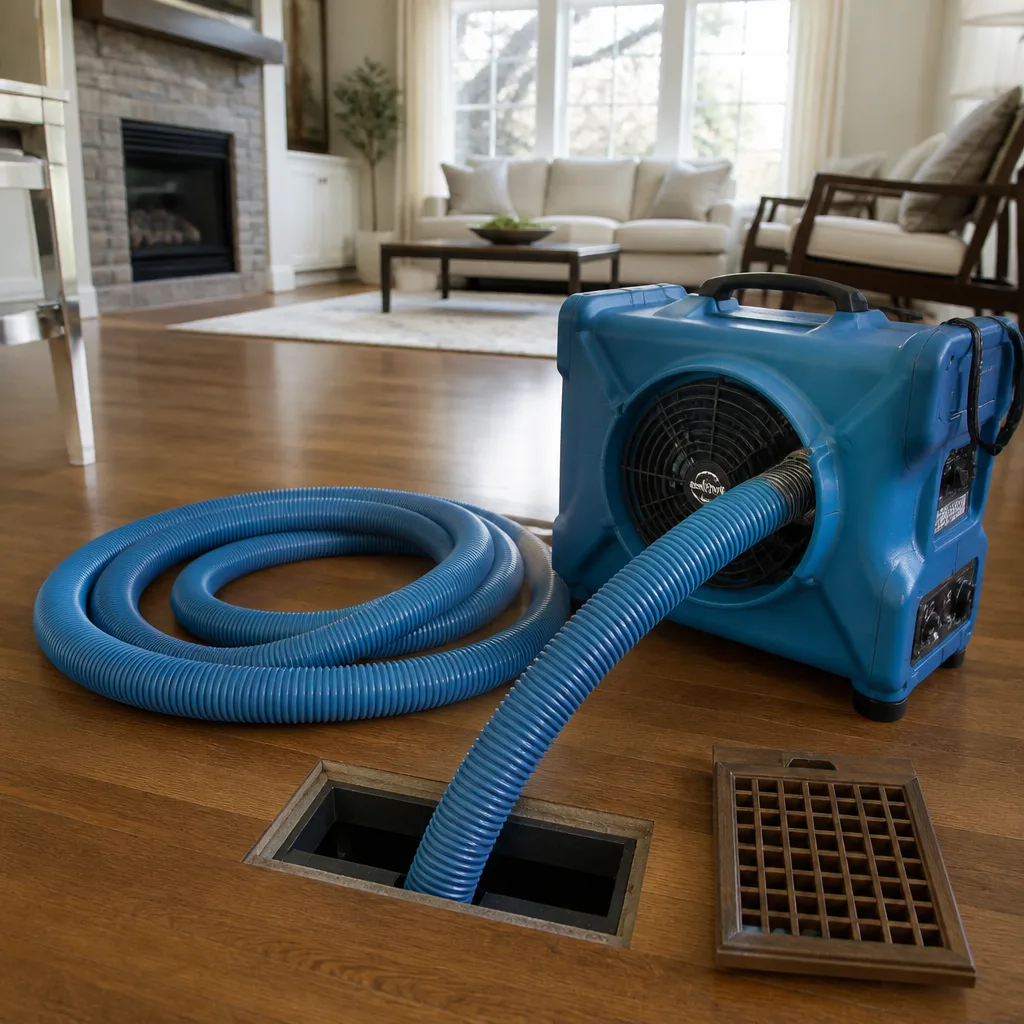
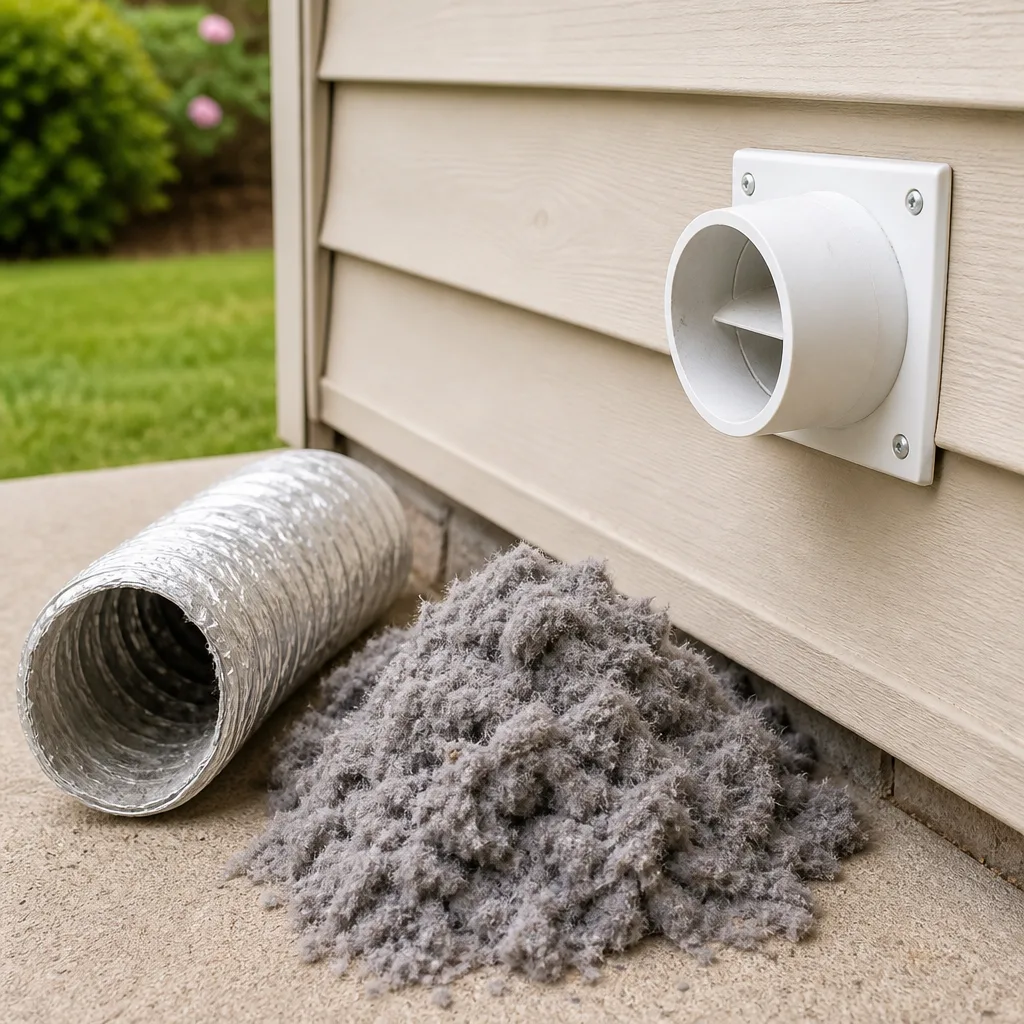
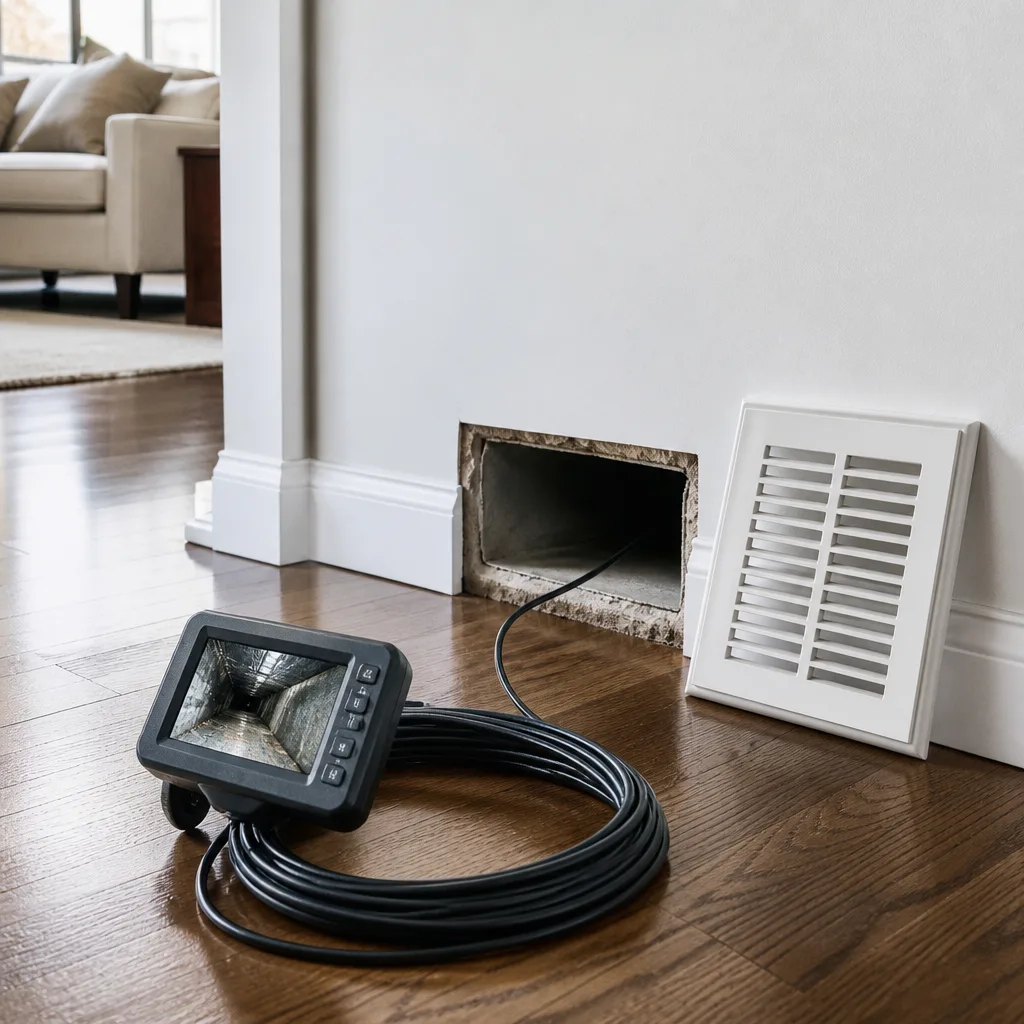
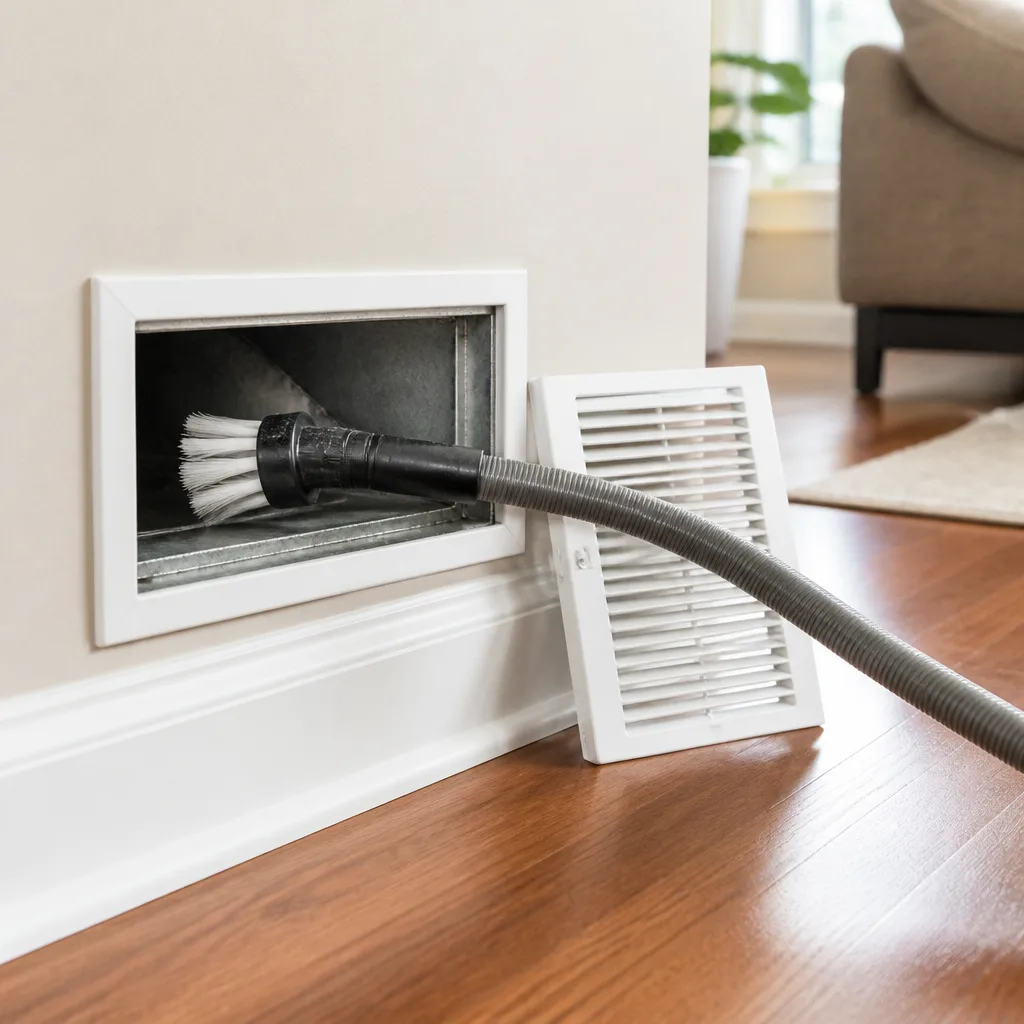
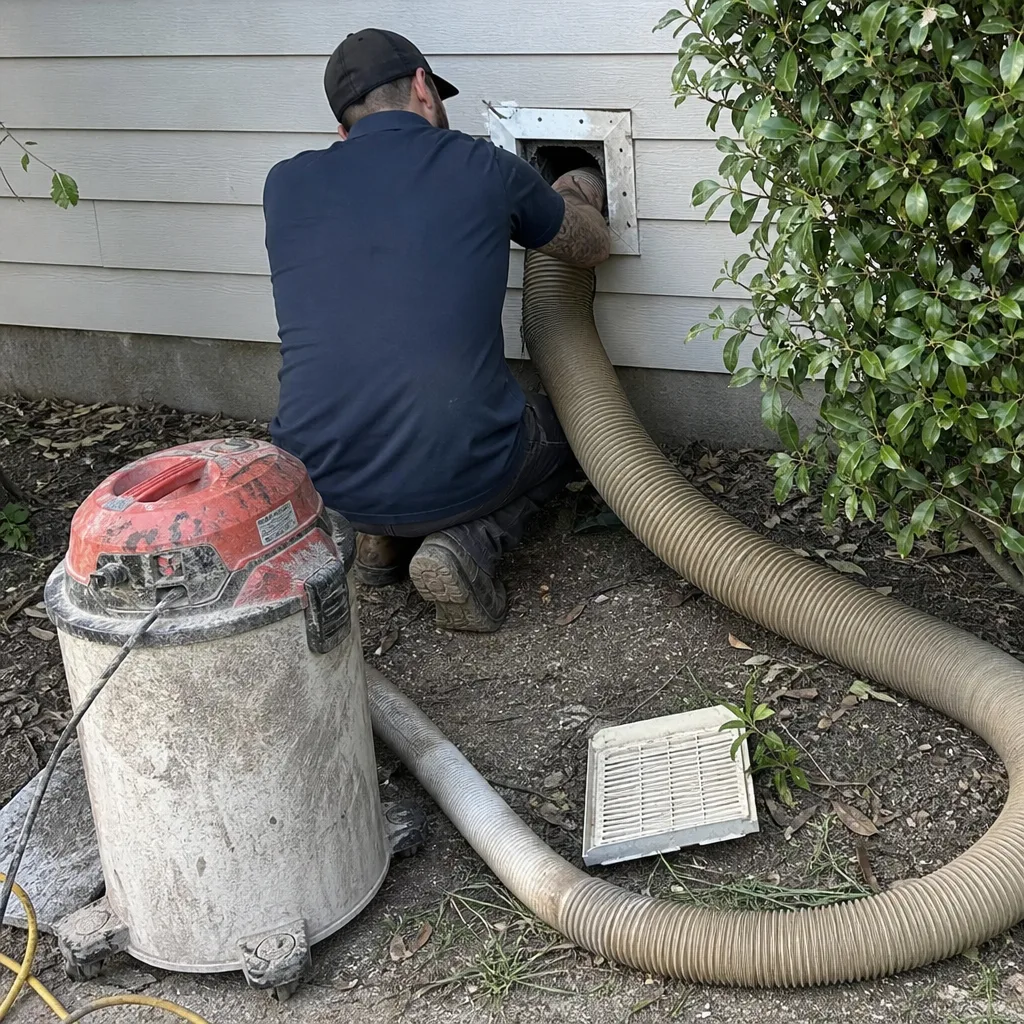 Before
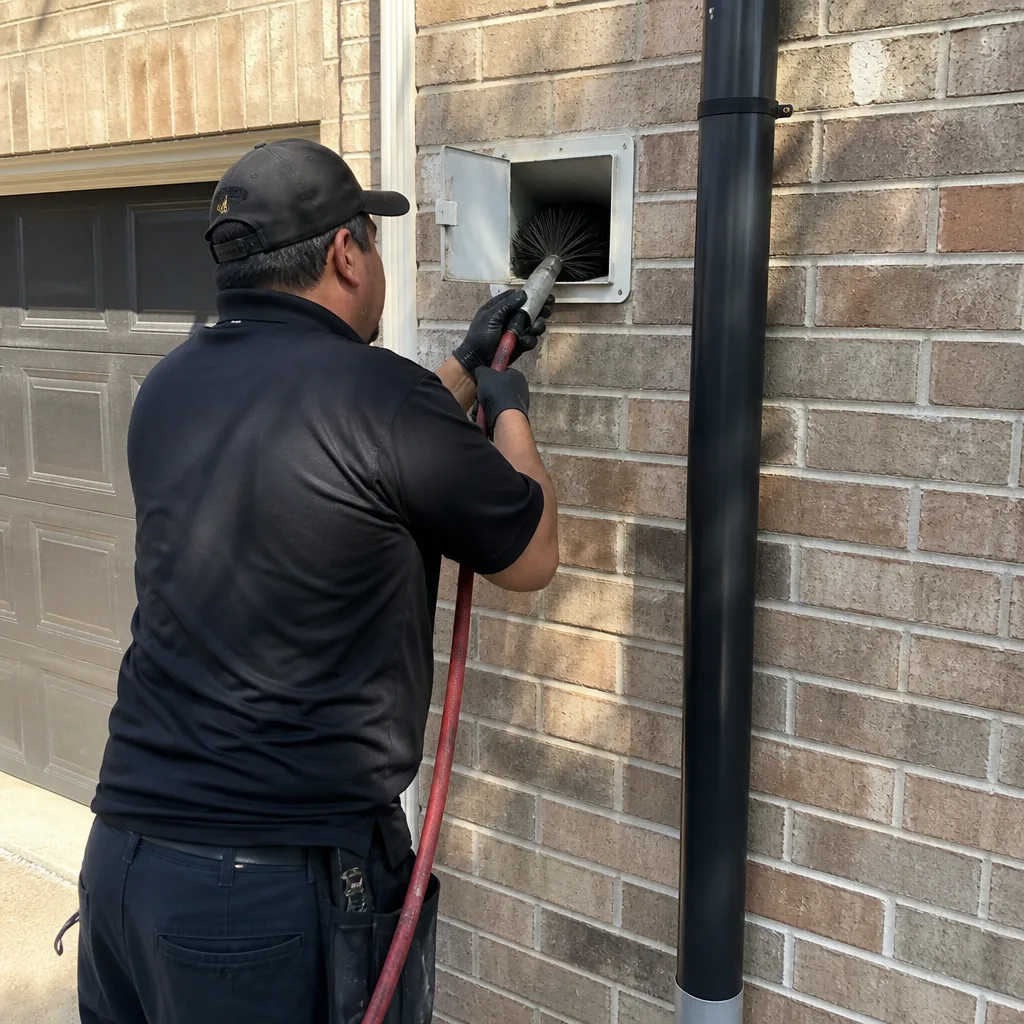 After
After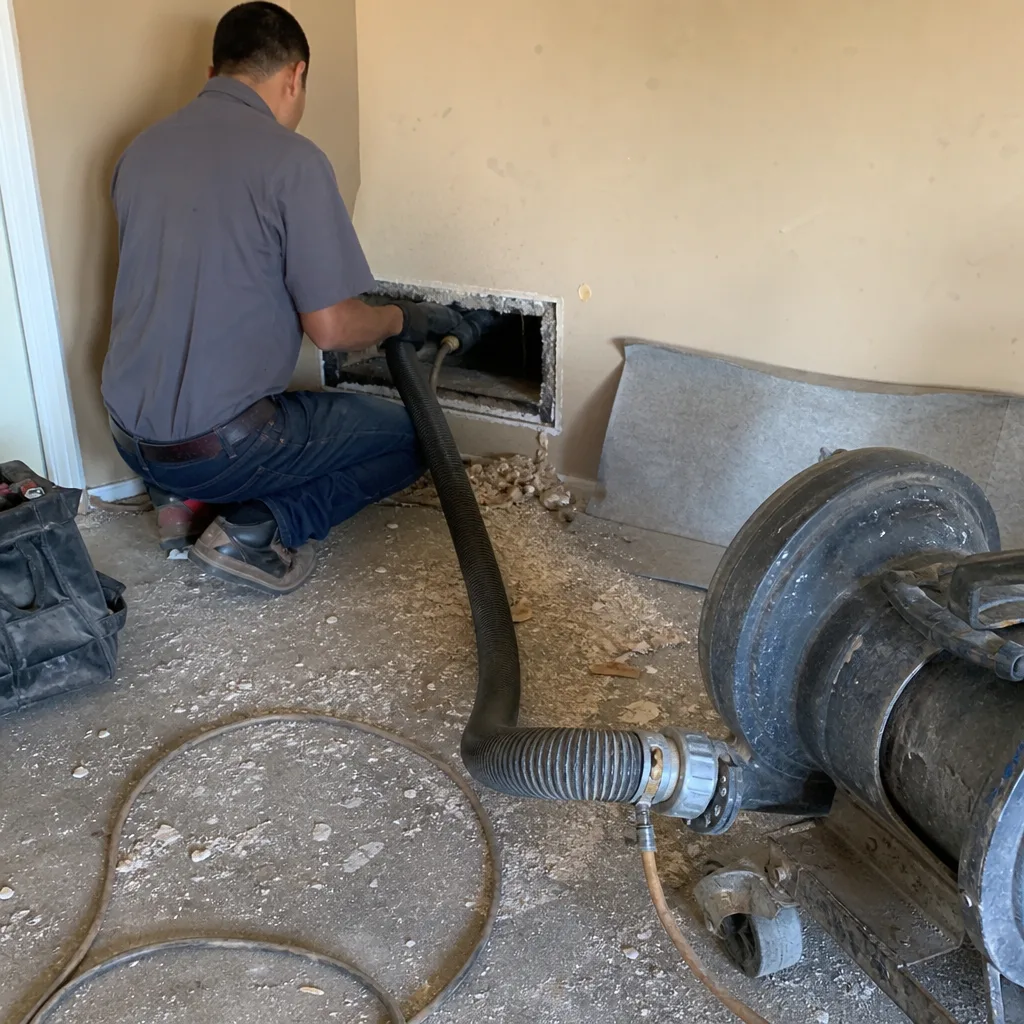 Before
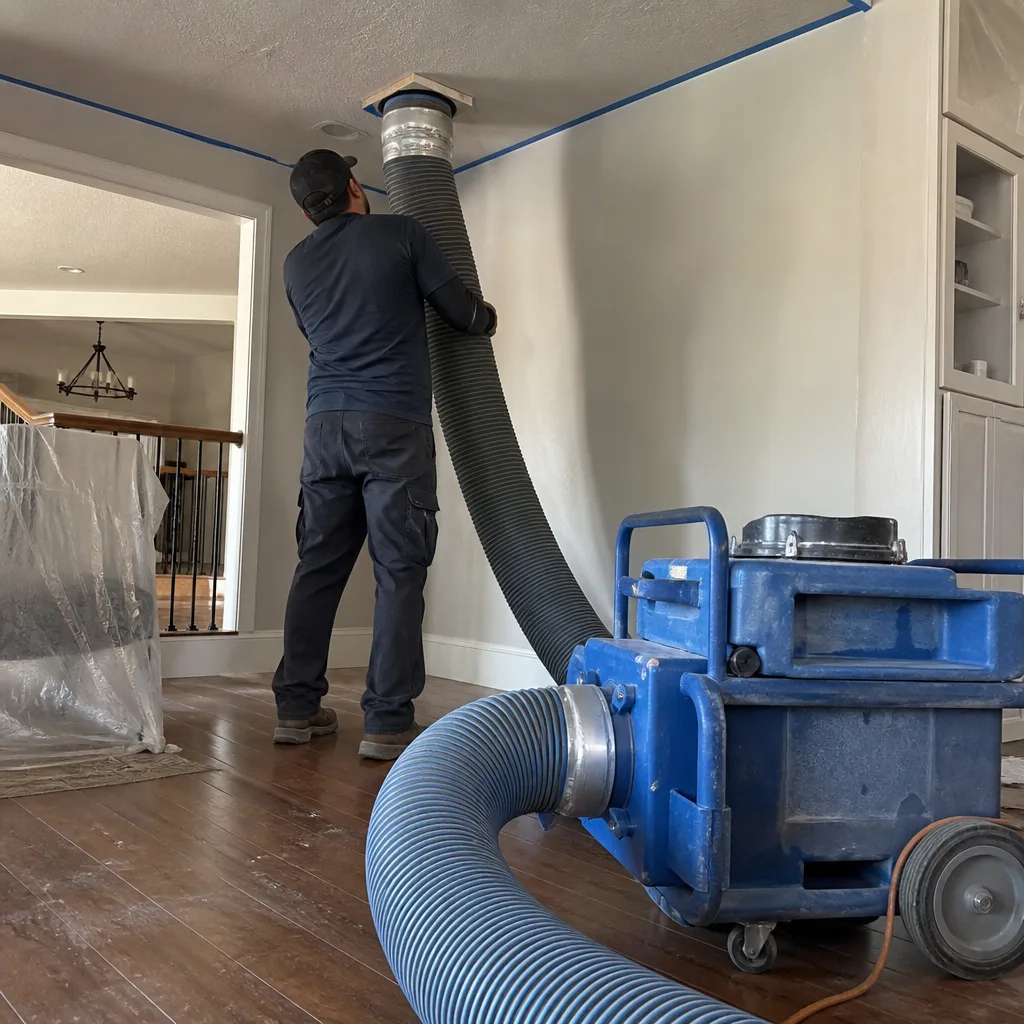 After
After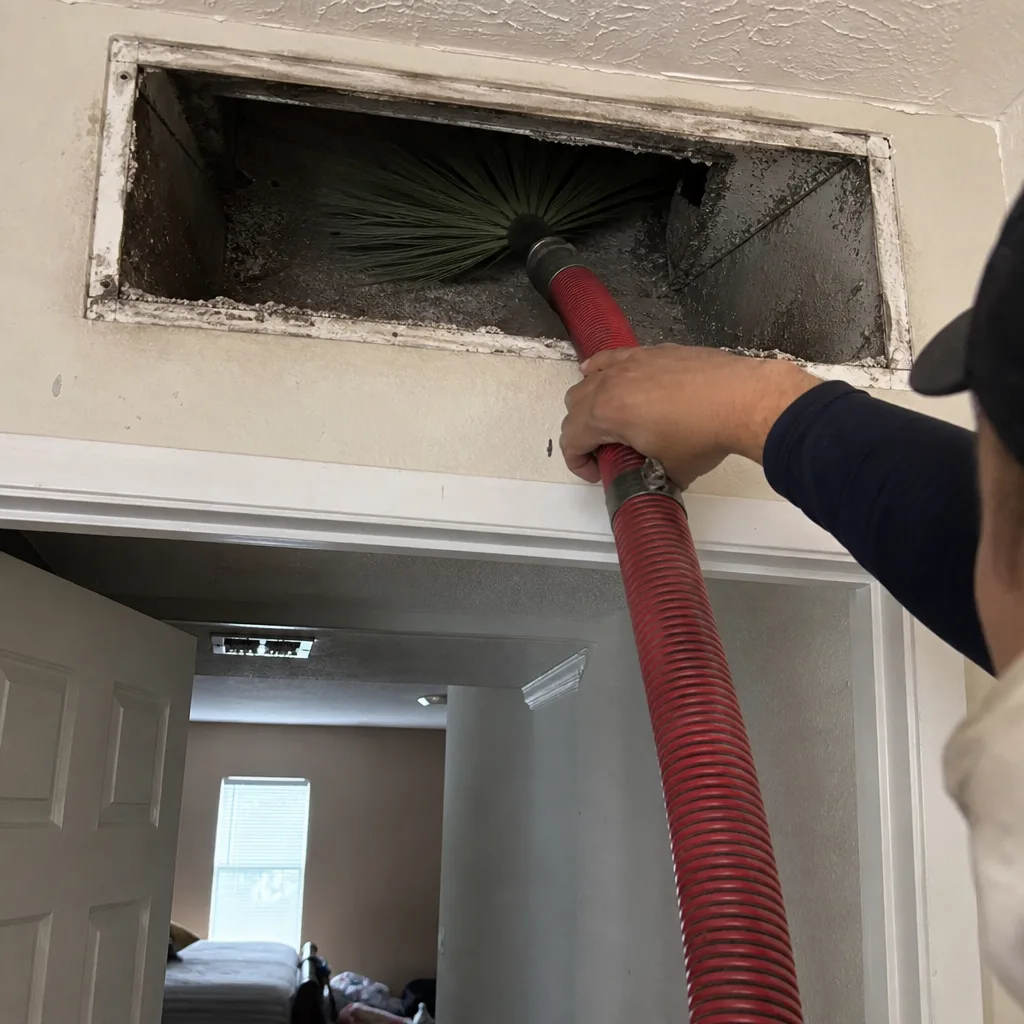 Before
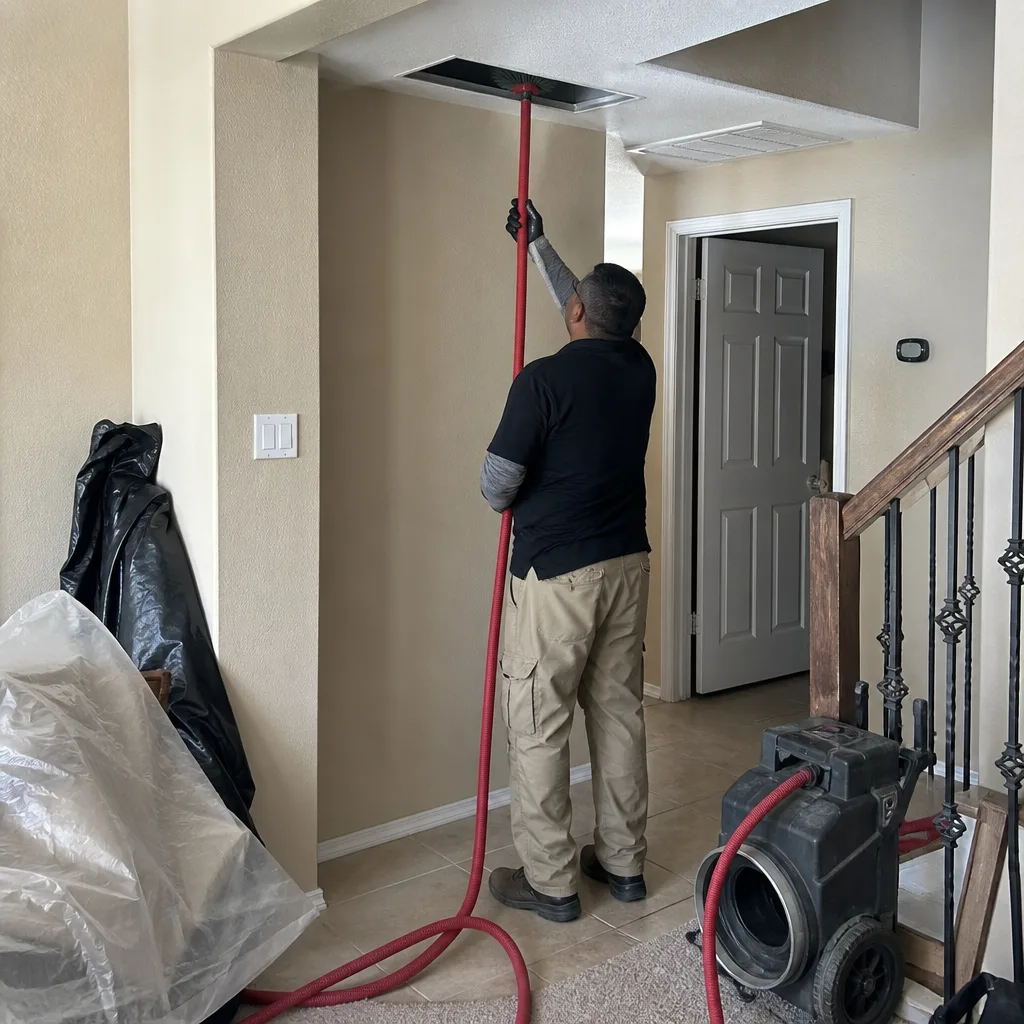 After
AfterHoneywell Duct Sealing & Repair: The Katy Owner’s Guide
CleanRun stocks and installs Honeywell-compatible duct sealing and repair components for Katy homes, with typical installed pricing from $340 to $780 per system depending on access difficulty and linear footage of compromised ductwork. Most Honeywell-related sealing jobs are completed in a single visit because we carry the full range of foil-backed mastic tapes, UL-181 rated sealants, and mechanical fasteners on every truck. We are an independent service provider with no affiliation to Honeywell.
Most Katy homeowners discover their Honeywell-connected ductwork needs sealing when a room stops keeping temperature, their HVAC runs longer than it used to, or they notice dust settling near ceiling registers within days of cleaning. The before photo does the talking. Everything after that is just paperwork. Tomas Reyes, our owner, has documented the same pattern across hundreds of Katy jobs: the flex duct at the plenum connection (the main distribution box where heated or cooled air first enters the duct network) separates first, or the mastic sealant at the register boot cracks after years of Houston-area humidity cycling.
Which Honeywell Models This Applies To
Honeywell does not manufacture residential ductwork itself; rather, their air cleaners, whole-home dehumidifiers, and zoning panels integrate with standard galvanized steel, fiberglass board, or flex duct systems built to ACCA Manual D specifications. The sealing and repair work we perform applies to any Katy home running a Honeywell F100 or F300 media air cleaner, a Honeywell TrueDRY dehumidifier, or a Honeywell zoning system with damper-controlled duct runs.
To identify what your system needs, check the label on the air cleaner cabinet (usually mounted at the plenum or return air drop) for the model series. F100-series units use 16×25 or 20×25 filter cabinets that connect to standard 8-inch or 10-inch return drops. F300 electronic air cleaners require a grounded cabinet with specific flange dimensions. For zoning systems, the HZ432 TrueZONE panel controls dampers inside the ductwork; if a damper seal fails, the zone bleeds air and the panel throws a fault code. We stock OEM-compatible collar seals, transition gaskets, and UL-181 foil tape rated for the temperature ranges Honeywell equipment generates.
The OEM-versus-aftermarket decision for Honeywell-integrated ductwork is straightforward: the sealant or gasket material must carry a UL-181 listing for HVAC use, which quality aftermarket products do. We use Guardsman and Honeywell-branded mastic compounds where the specification demands it, and Nikro-compatible sealants for negative-pressure extraction prep. The wrong choice is hardware-store duct tape, which degrades to adhesive goo in Katy attic heat within two seasons.
Signs Your Honeywell Duct Sealing & Repair Is Failing
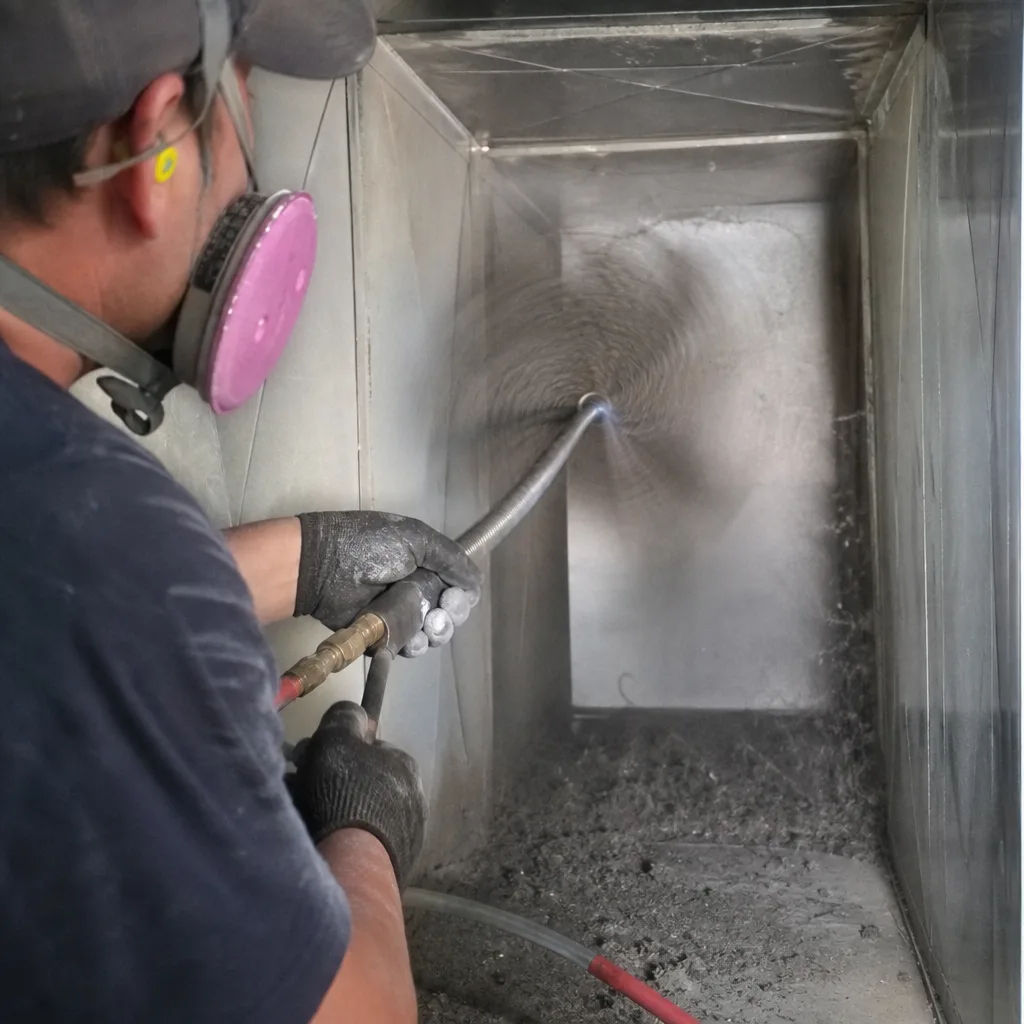
- Uneven temperatures room-to-room. When a duct run separates at a joint or the flex duct tears at a bend, conditioned air dumps into the attic or crawl space instead of reaching the register. The Honeywell zone panel may show normal operation while the room never reaches setpoint.
- HVAC runtime increases 20% or more. The system compensates for lost airflow by running longer cycles. In Katy’s summer humidity, this also means the Honeywell dehumidifier or AC coil works harder to pull moisture back down, accelerating wear on the compressor.
- Dust resettling within 48 hours of cleaning. A leaky return duct pulls attic air through the gap, bypassing the Honeywell F100 filter entirely. The camera often shows a debris ring around the leak point where unfiltered air has been drawn for months.
- Whistling or rushing air at registers. This signals a high-velocity leak upstream, usually a disconnected boot or a failed damper seal in a zoned system. The sound changes when the Honeywell zone panel switches dampers.
- Musty odor when AC first cycles on. A leak in the return side draws humid attic air across the evaporator coil, where moisture condenses on nearby duct insulation. Over time this breeds microbial growth that the Honeywell air cleaner cannot reach.
BeforeAfterReplacement Cost & What’s Included
For Katy homes, Honeywell-compatible duct sealing and repair pricing breaks down as follows:
| Scope | Typical Range |
|---|---|
| Single register boot reseal and reconnect | $340 - $450 |
| Partial duct run replacement (flex, up to 15 ft) | $480 - $620 |
| Full plenum seal and zone damper gasket replacement | $620 - $780 |
What drives the range: attic access difficulty (Katy homes with 12/12 pitch roofs and blown-in insulation take longer), the number of compromised joints, and whether the Honeywell zoning dampers must be removed and reseated. Every quote is written before work starts, Haven Standard Clause 1. The price includes the Documented Photo Record of every sealed joint and replaced section, delivered as part of the standard job record. Our 365-Day Done Right Promise covers the workmanship; material defects fall to manufacturer warranty.
DIY or Call Us?
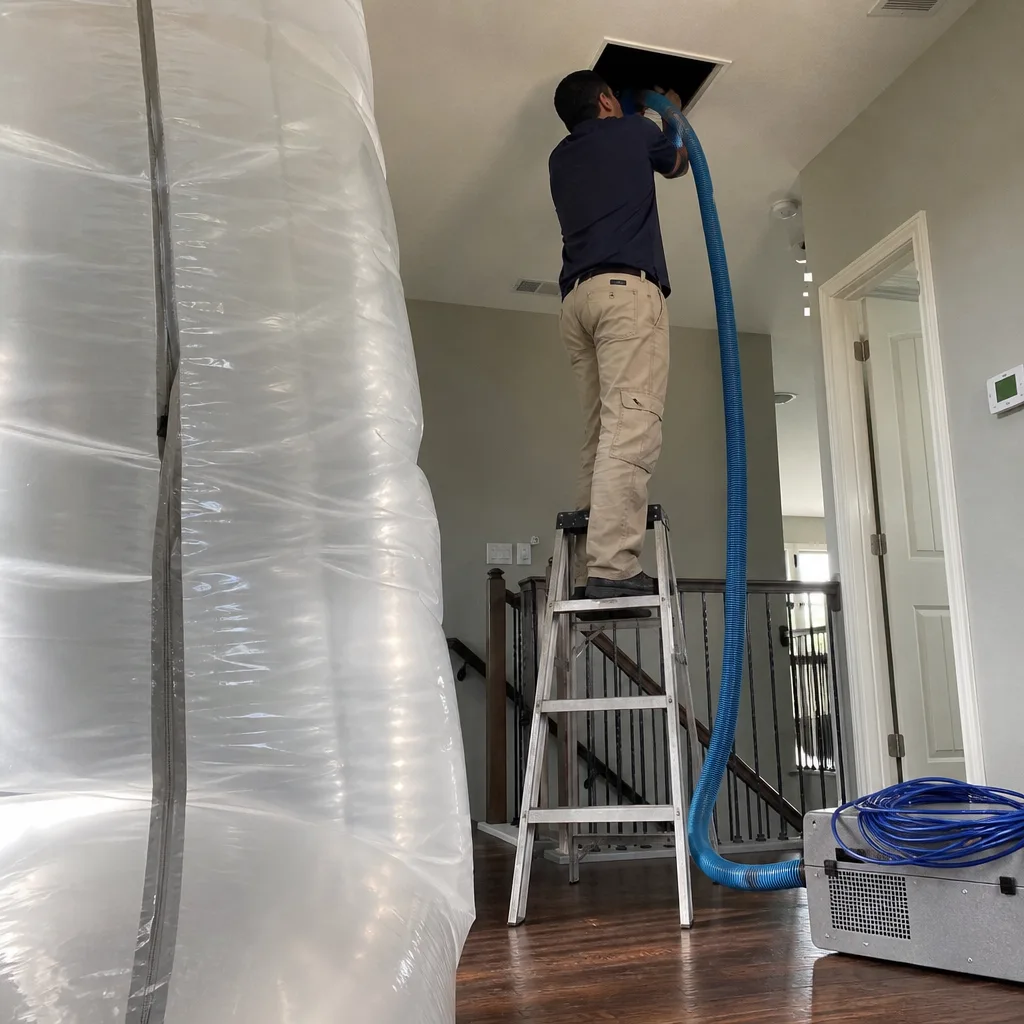
An owner can safely check whether a register is loose or whether visible flex duct has torn where it crosses a truss. What you cannot safely assess is the full extent of leakage in a pressurized duct system without a duct blaster or calibrated fan, and you should not enter an attic during summer heat without proper hydration and fall protection.
DIY sealing with mastic goes wrong in three predictable ways: applying sealant to a dirty or oily surface (it will not bond), using the wrong product for the temperature range (standard caulk fails at 140°F attic peak), and missing the actual leak while sealing obvious ones (the camera finds what hands cannot reach). We carry Rotobrush inspection cameras and Nikro negative-pressure equipment to verify seal integrity after the repair. If you have a written estimate from another company, we provide a Free Second Opinion at no cost. Call (346) 666-7165.
FAQs
Properly applied UL-181 mastic and mechanical fasteners last 15 to 20 years in Katy’s climate, though attic heat above 140°F in July and August can accelerate adhesive degradation on cheaper products. We use Guardsman and Honeywell-specified compounds rated for the temperature swing. Call (346) 666-7165 for an exact quote - estimates are free.
Yes, if the damage is limited to separated joints, small tears in flex duct outer liner, or failed register boot seals. We replace sections only when the inner liner is torn, insulation is water-damaged, or the duct is crushed. The camera shows which applies before any work starts.
Most single-system repairs run three to five hours from arrival to final photo documentation, including setup, negative-pressure extraction prep, and post-repair verification. Zoned systems with multiple Honeywell dampers add time for removal and reseating.
Yes. Every CleanRun truck carries UL-181 foil tape, mastic compounds, mechanical fasteners, transition collars, and gasket material sized for Honeywell F100, F300, and TrueZONE installations. We do not leave to pick up parts mid-job.
Written by Tomas Reyes, Owner, CleanRun Air Duct Cleaning Katy at CleanRun Air Duct Cleaning Katy, serving Katy and nearby areas.