
Whole-system duct and dryer vent check with before-and-after photos - you see exactly what came out of your vents
That "$99 whole-house special" is a bait ad - the real number appears once they are in your hallway, or the "clean" is a shop-vac at the register. We photograph the inside of your ducts before and after instead.
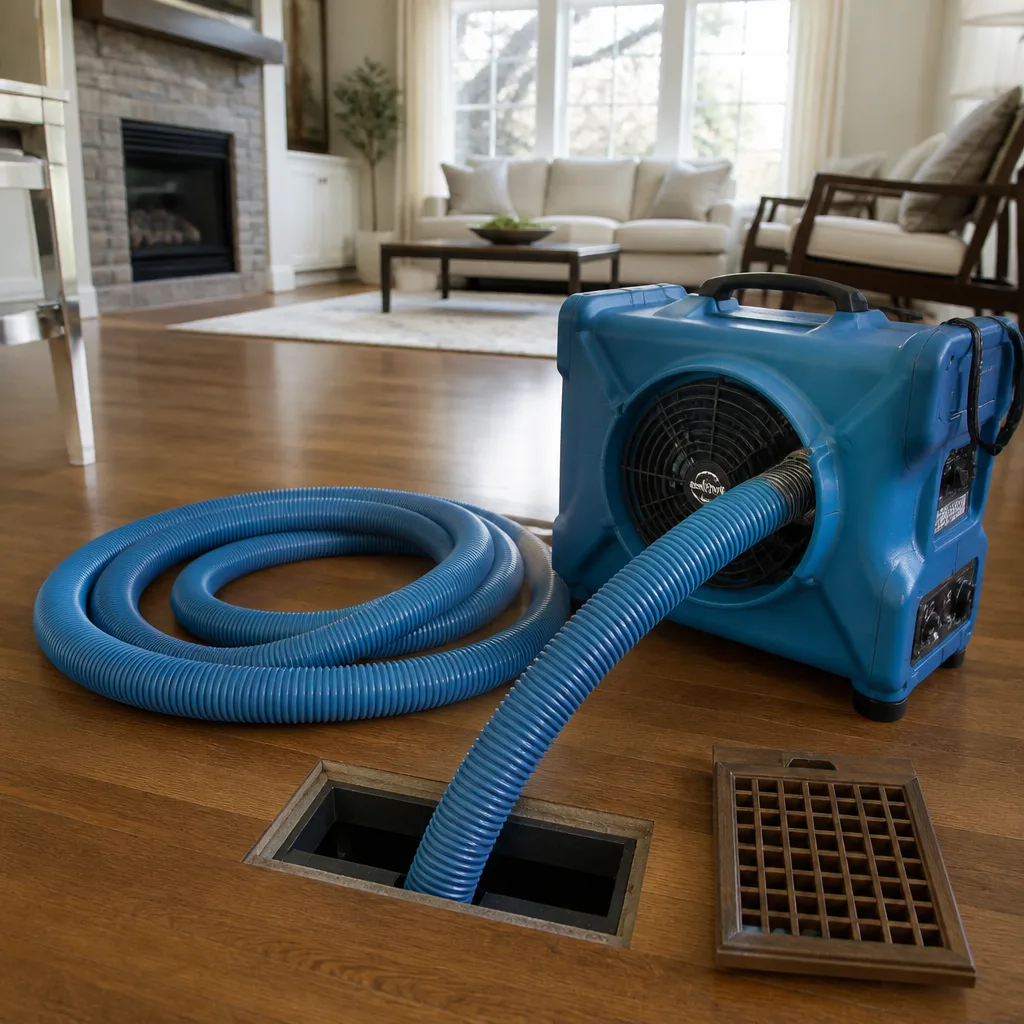
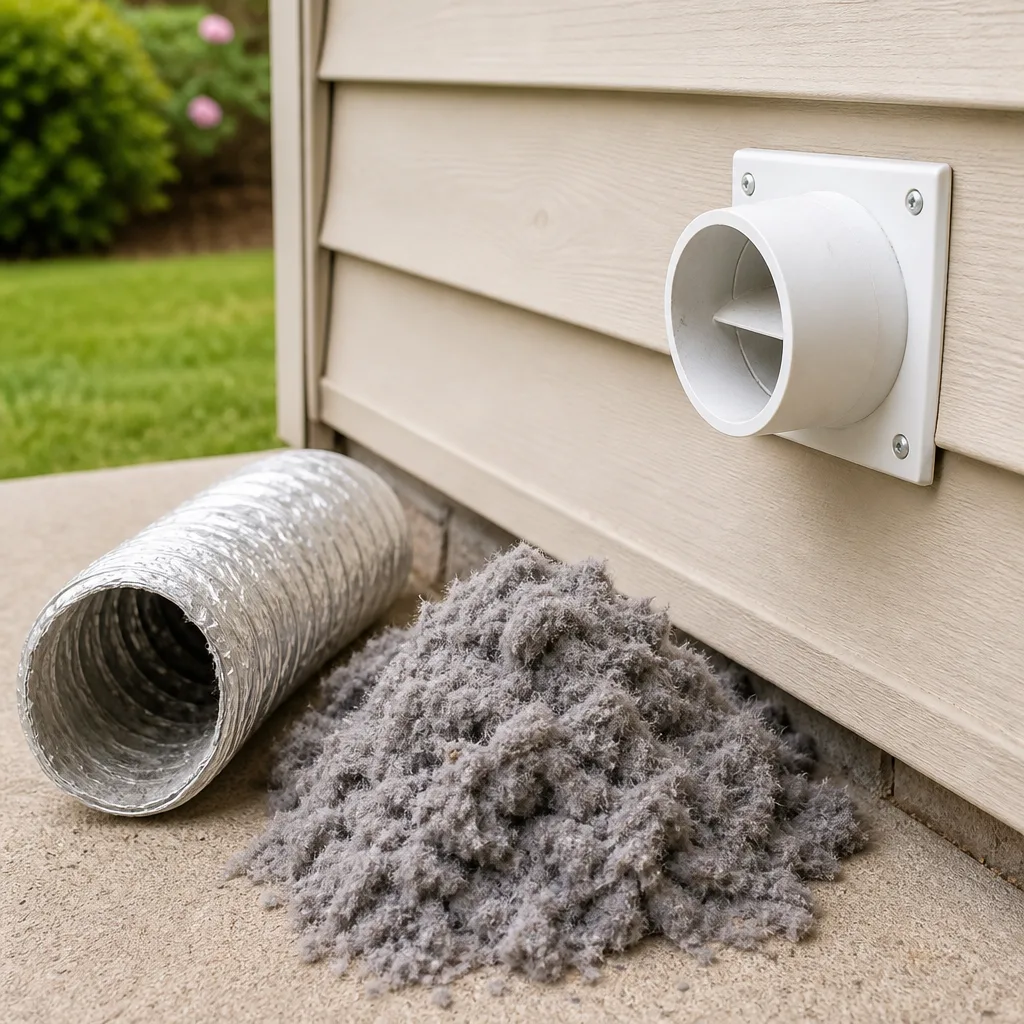
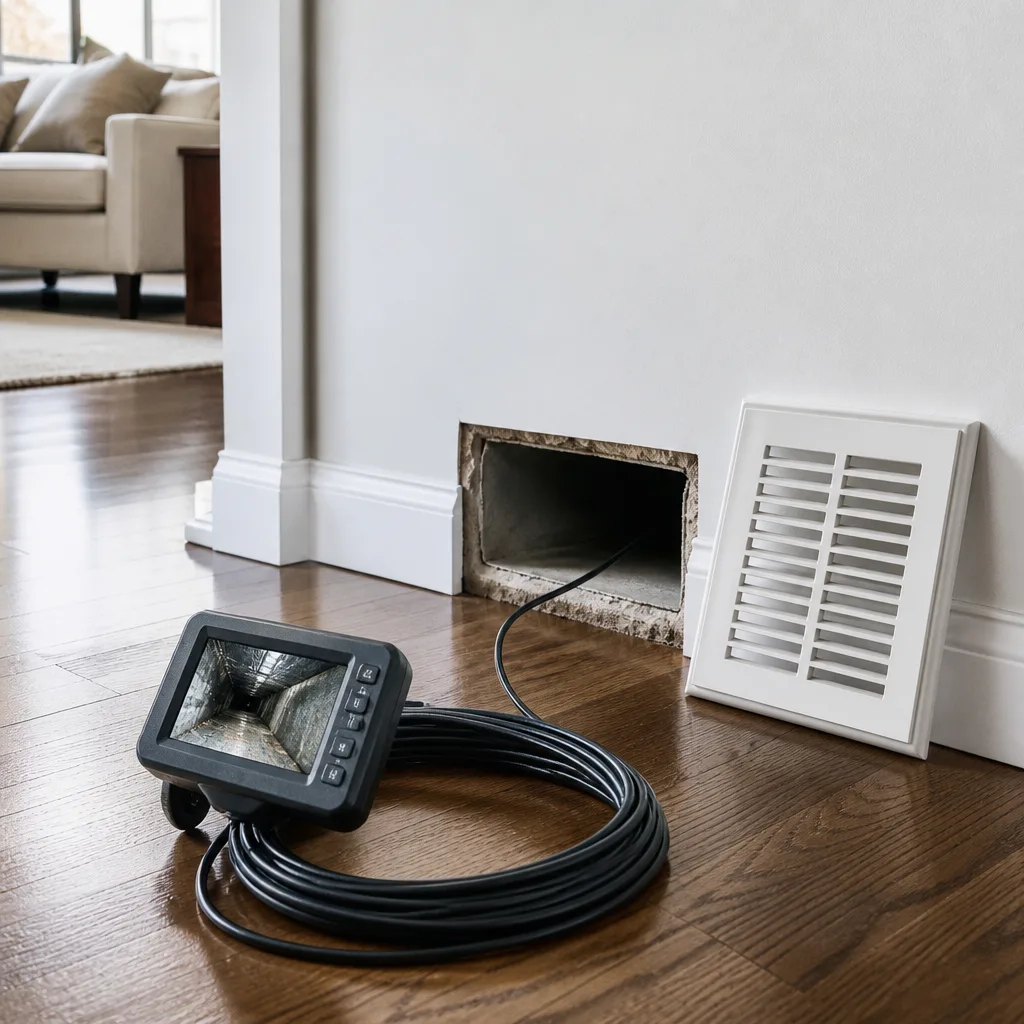
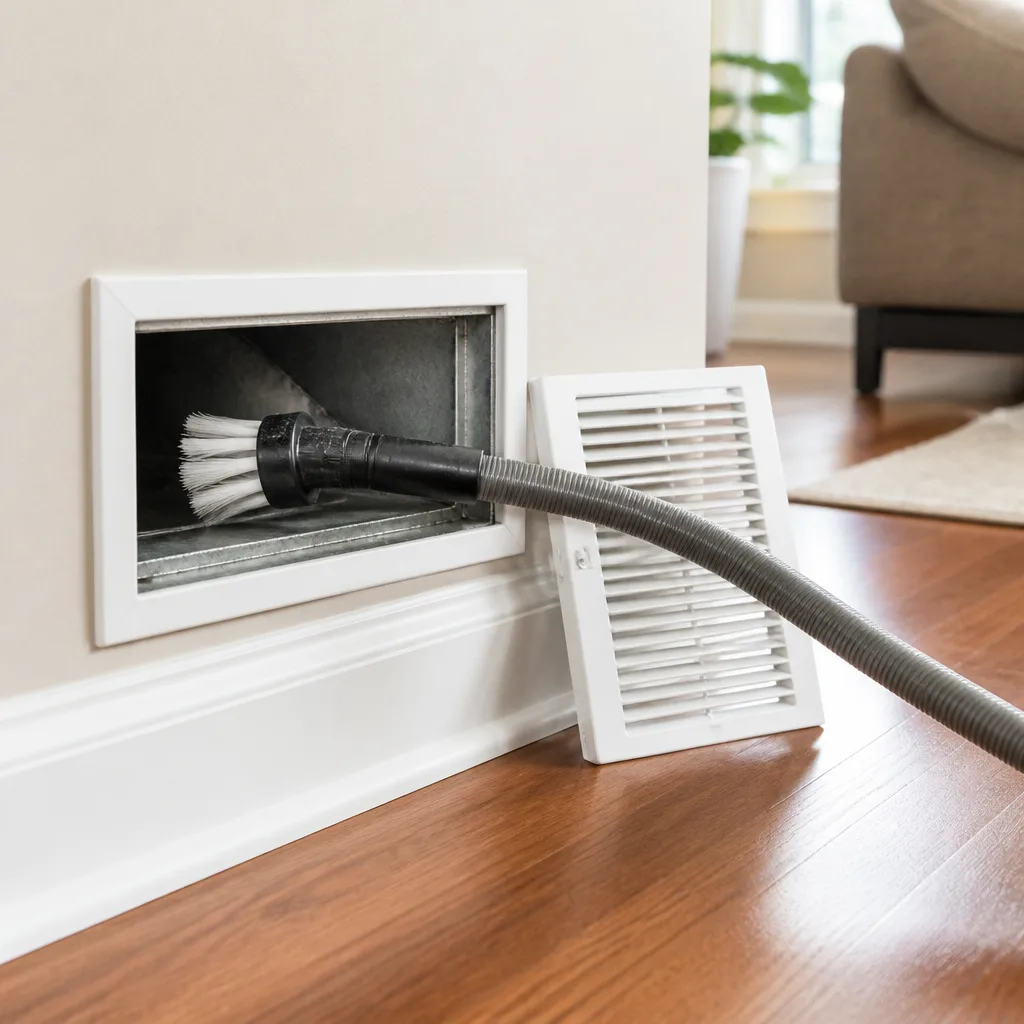
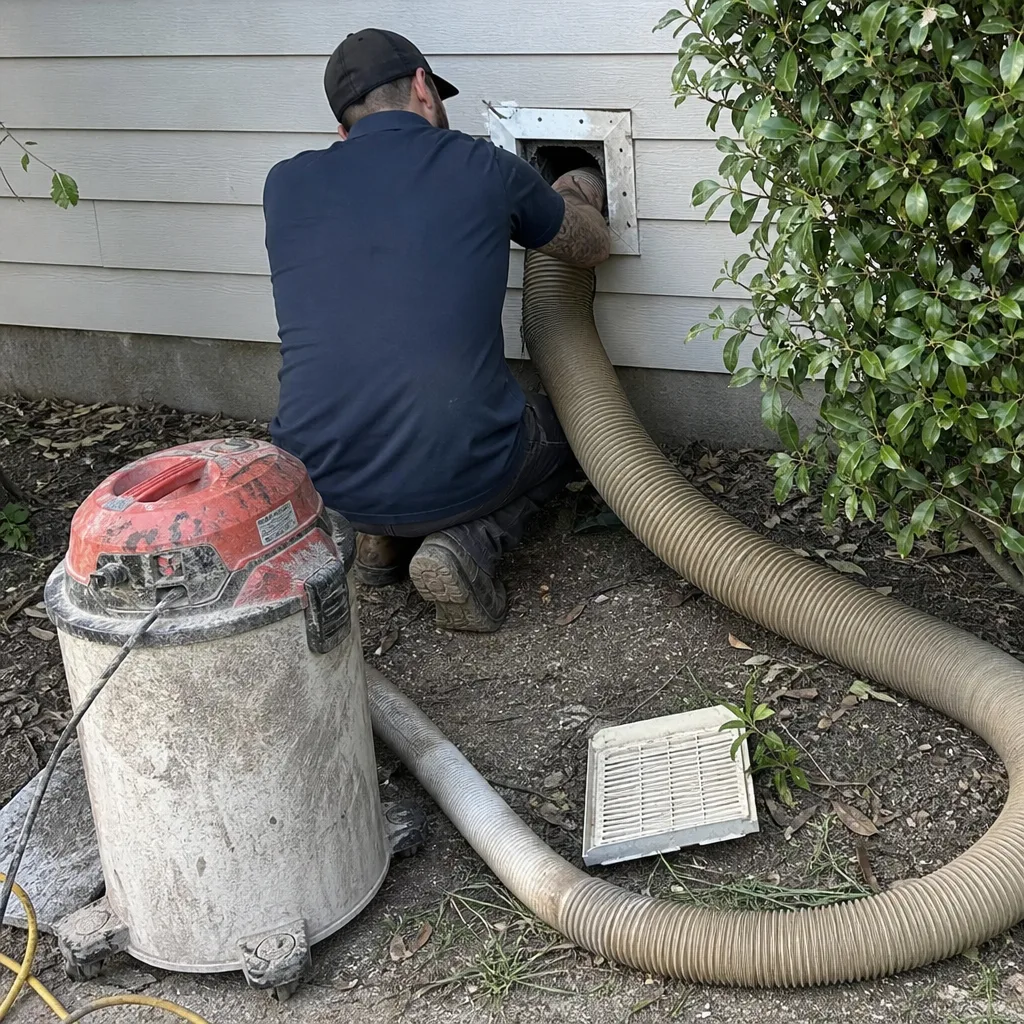 Before
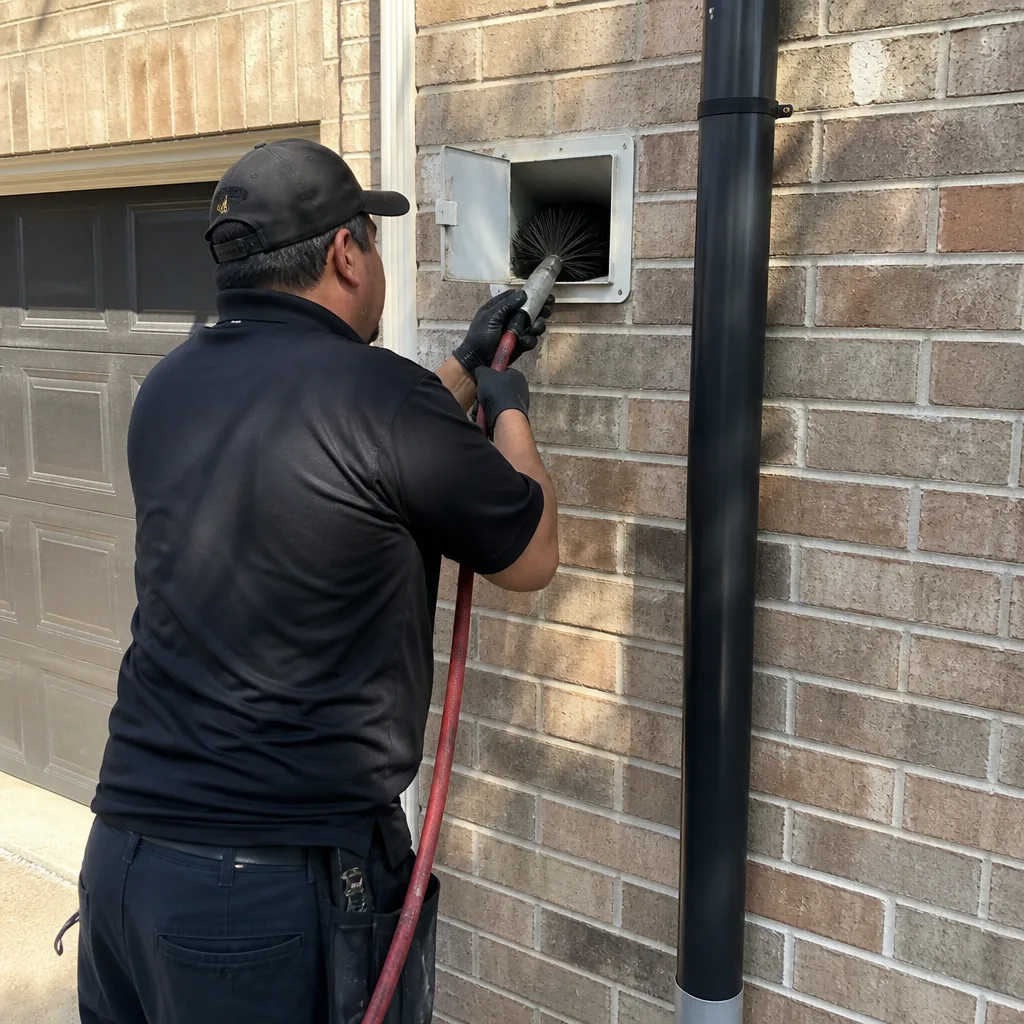 After
After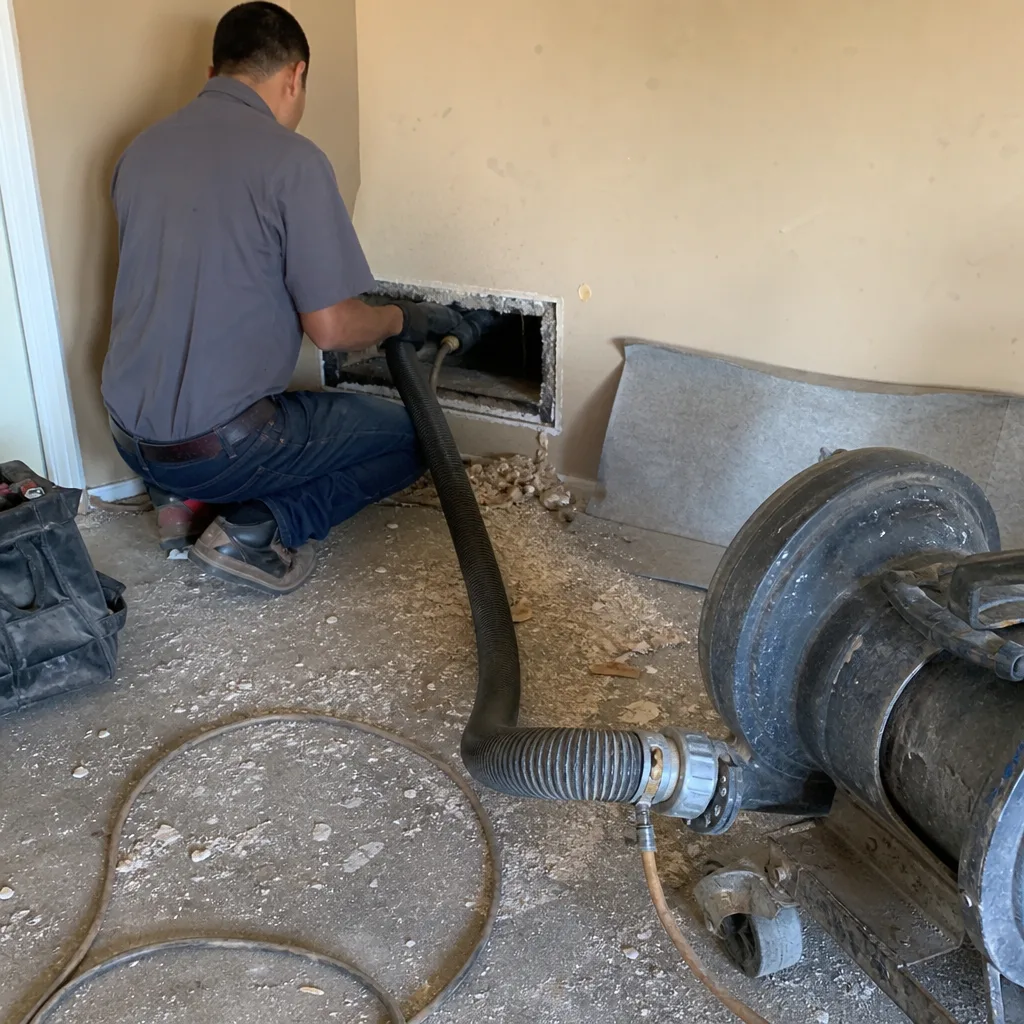 Before
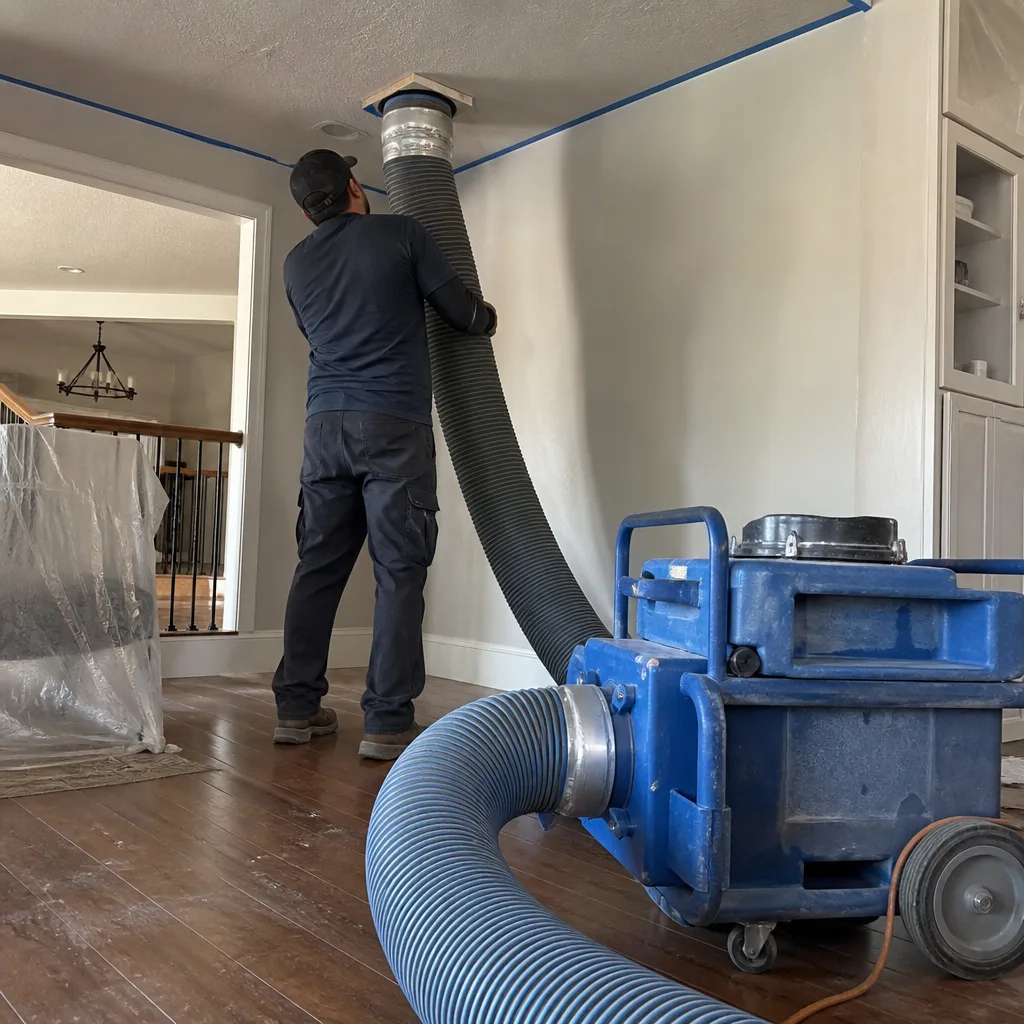 After
After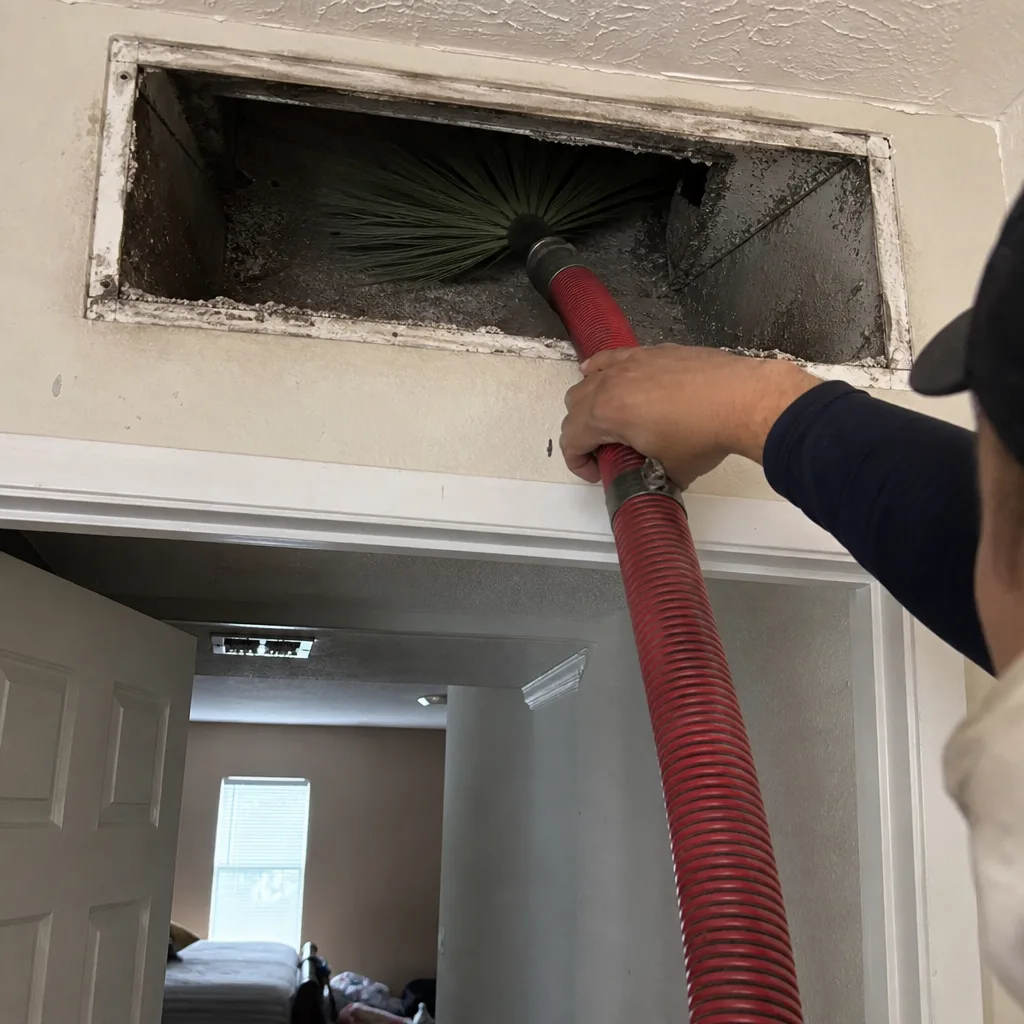 Before
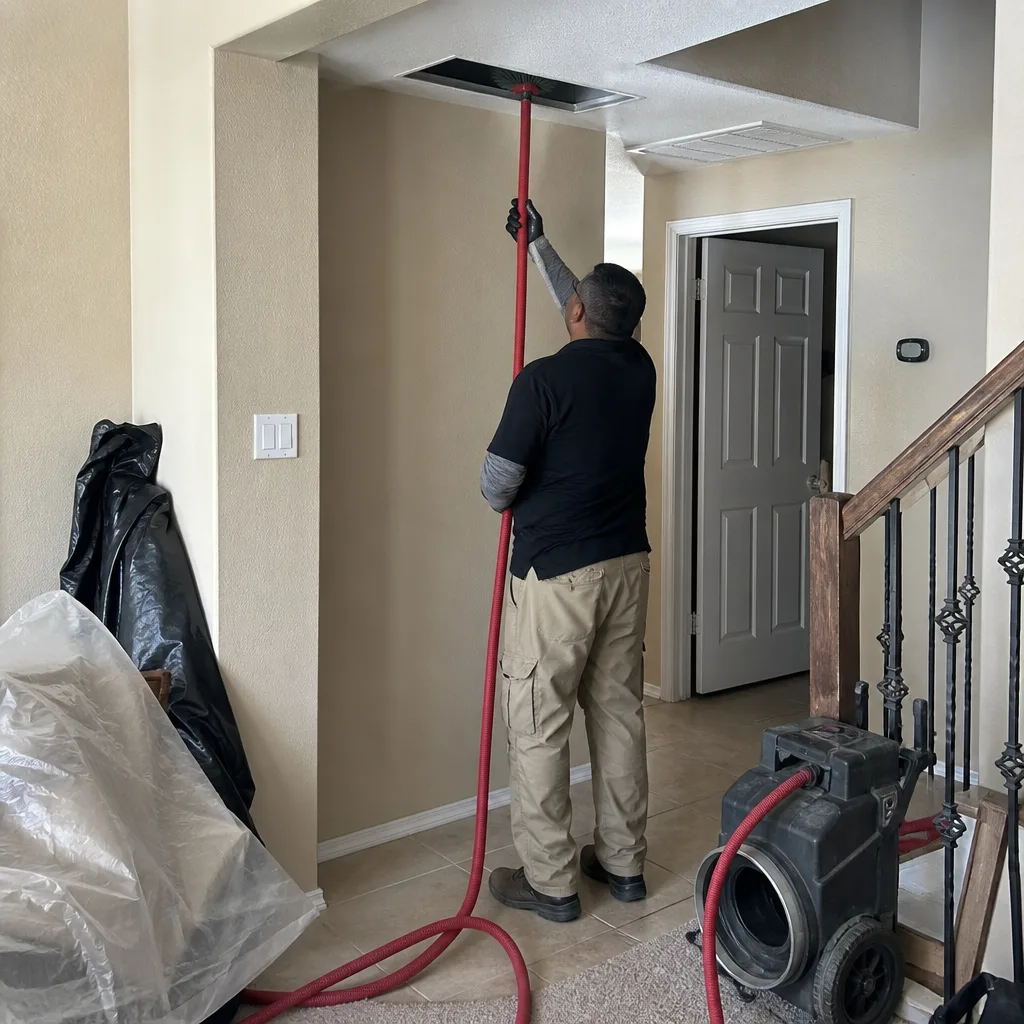 After
AfterDryer Vent Inspection in Katy, TX
A dryer vent inspection in Katy, TX is a systematic camera-and-flow assessment of the exhaust duct that runs from your dryer’s exhaust collar to its exterior termination point. A trained technician photographs every section of that duct, measures airflow at the termination cap, and documents what the camera finds – lint accumulation, crush points, improper connections, bird nests, or anything else that restricts exhaust. Most inspections in Katy take 30 to 45 minutes and result in a written scope with photographs you keep, whether or not any cleaning or repair follows.
If you’ve noticed your dryer running longer than it used to, clothes coming out hotter than they should, or a burning smell that clears once the cycle ends, those are the kinds of findings an inspection documents. CleanRun Air Duct Cleaning Katy has been doing this work since 2013 – across Cinco Ranch, Firethorne, Willow Fork, Seven Meadows, and the older subdivisions off FM 1463 – and every inspection starts with a written price before anyone touches your equipment. That’s Haven Standard Clause 1, and it’s not optional on any job we run.
Our full Dryer Vent Cleaning in Katy service is available when the inspection finds something that needs to come out. But the inspection itself stands alone – it’s a diagnostic record, not a sales funnel. Call (346) 666-7165 to schedule yours, or read on to understand exactly what we do and what you’ll receive when we’re done.
When You Need a Dryer Vent Inspection
Katy’s housing stock runs the full range from 1990s slab construction in the original Katy Lakes neighborhoods to 2022 builds in Elyson and Cane Island, and the dryer vent configurations reflect that range. Flex duct tucked inside wall cavities, undersized aluminum transitions, runs that make three or four 90-degree bends before reaching a side-wall cap – these are common findings, and most homeowners have no idea what’s behind the drywall. An inspection puts a camera on it so the record is visual, not guessed at.
- Drying cycles taking longer than 45 minutes. A full load of cotton towels should dry in one standard cycle. When it takes two, the duct is almost always restricting airflow – either from lint accumulation at an elbow or a partially collapsed flex section. In Katy’s humidity, damp loads left sitting between cycles also develop mildew faster than in drier climates, compounding the problem.
- The exterior of your dryer is hot to the touch mid-cycle. Heat that can’t exhaust through the duct backs up into the dryer cabinet. That’s a thermal stress indicator, not a normal operating condition, and an inspection will show where the restriction sits.
- You can’t remember the last time the duct was cleaned or inspected. The U.S. Fire Administration recommends annual cleaning for vents with regular use. In Katy, where newer construction often places laundry rooms in interior corridors with longer-than-average duct runs to reach an exterior wall, lint reaches critical accumulation faster than builders’ guides suggest.
- You’ve moved into a home built between 2000 and 2018 in a subdivision like Nottingham Country, Cross Creek Ranch, or Kelliwood. These homes frequently have foil accordion flex duct inside the wall – a material that was common and is now known to sag, trap lint at low points, and develop restrictions that plastic and metal camera scopes can document clearly.
- Your dryer’s moisture sensor trips inconsistently. Sensors read the air exhausting from the drum. When that exhaust is partially recirculated because the duct is restricted, sensors get inconsistent readings and cut cycles short or run them long. An inspection will confirm whether the duct is the variable.
- A bird or pest screen at your exterior cap has been damaged or is missing. In spring, Katy’s bird population – particularly starlings and house sparrows – builds nests in termination caps within weeks. A camera inspection shows whether material has entered the duct and how far in it extends.
Our Dryer Vent Inspection Process
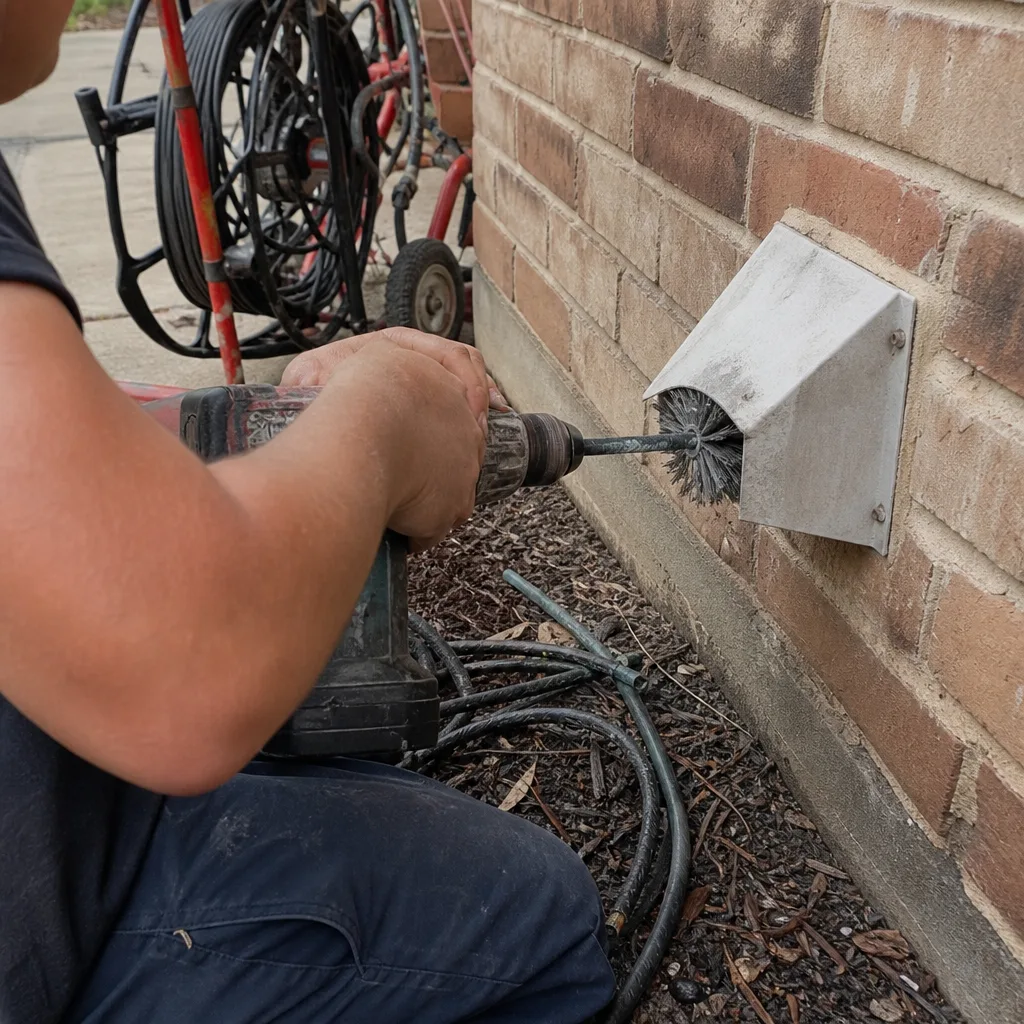
The process below is the same whether your duct runs 6 feet through an exterior wall or 22 feet through two floors and a chase. The documentation standard doesn’t change with the complexity of the run.
- Written price, before anything starts. The technician reviews the job scope – duct configuration, accessible length, termination type – and delivers a written price. You have it in hand before a single panel comes off or a camera goes in. Haven Standard Clause 1. There is no version of this job where pricing comes after the fact.
- Exterior termination assessment. We start at the cap, not the dryer. The termination flap or louvered cap is inspected for damage, obstruction, and proper backflow prevention. We photograph the cap and its immediate surroundings as the inspection’s baseline record. In Katy’s older neighborhoods, we regularly find vinyl caps that have warped from UV exposure and no longer open and close properly – a restriction that costs nothing to document and a small amount to fix.
- Airflow measurement at the termination point. Using a calibrated anemometer, we measure air velocity at the cap while the dryer runs. NFPA 211 and appliance manufacturer specs set minimum exhaust velocity benchmarks; we record the reading and compare it to those published numbers. The measurement is on paper when we leave. If the flow reading is within spec, the record says so. If it isn’t, the record shows by how much.
- Camera scope through the full duct run. A flexible borescope camera travels the length of the duct from the exhaust collar outward – or from the exterior cap inward when layout requires it. We photograph lint accumulation, elbow conditions, duct material type, connection integrity at joints, and any foreign material. In Katy homes with interior laundry corridors, we frequently find the first elbow – usually located inside the wall 18 to 24 inches from the dryer collar – is the primary accumulation point. The camera shows it. We use Rotobrush inspection equipment where duct geometry allows, which produces a continuous image record rather than spot photographs.
- Written scope and documented findings. Every photograph taken during the inspection is compiled into a job record you receive at the end of the visit – before the technician leaves. The written scope identifies each finding by location in the duct (e.g., “3-inch lint accumulation at first elbow, approximately 20 inches from collar”), the duct material present, and whether any condition requires cleaning, repair, or replacement to meet current standards. If nothing requires action, the record says that too.
- Recommendations with written pricing for any follow-on work. If the inspection identifies cleaning or repair needs, you receive a written price for those services before you decide anything. CleanRun does not bundle inspections and cleaning into a single quote designed to obscure which part costs what. The inspection price is the inspection price. Any additional scope is priced separately and in writing.
BeforeAfterDryer Vent Inspection Pricing in Katy
A standalone dryer vent inspection in Katy runs $75 to $130 for most residential configurations; see our full 2026 price guide for additional context. That range covers the full process described above – exterior assessment, airflow measurement, camera scope, written findings, and the documented photo record.
What moves the price within that range:
- Duct length and routing complexity. A 6-foot straight run to an exterior wall is a different scope than a 24-foot run that goes through a floor chase, around a corner, and exits through a soffit. Longer and more complex runs take more time and more camera passes to fully document.
- Termination access. Roof-mounted terminations or caps located above a two-story roofline require additional access time and fall outside standard-range pricing. When a roof cap is involved, the written quote reflects that before anyone goes up.
- Multi-unit or shared-duct configurations. Some Katy townhomes and attached properties built in the 2010s near the Energy Corridor commuter belt have shared or semi-shared exhaust configurations. Those require separate documentation per unit and are priced accordingly.
If the inspection identifies cleaning or repair work, those services are quoted separately and in writing – the inspection cost is not credited against cleaning in a way that obscures pricing. You’ll know what each line costs before agreeing to any of it.
CleanRun also offers a Free Second Opinion on any written estimate you’ve received from another provider. If a competitor has given you a number, we’ll put our own number next to it in writing so you can compare them directly. Call (346) 666-7165 – a live person answers, every time.
What the Documented Photo Record Includes
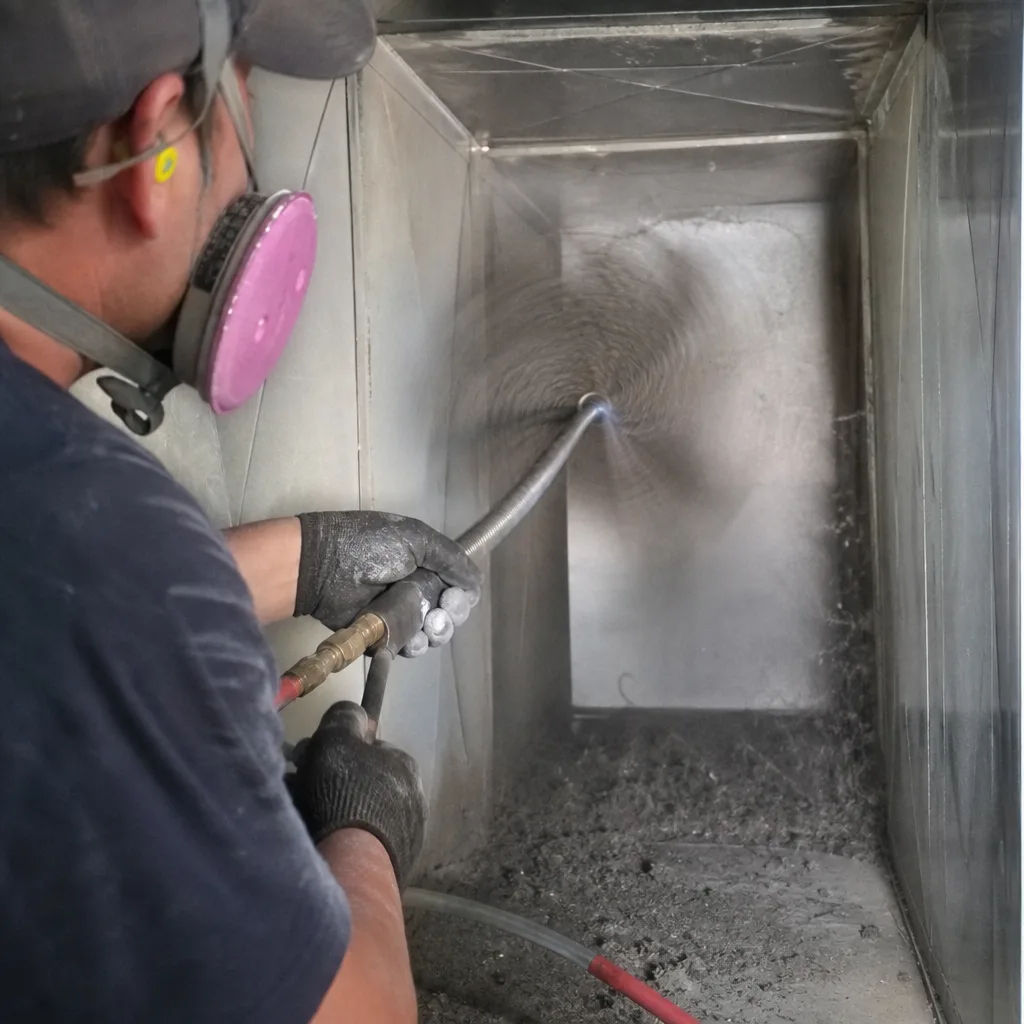
The photo record is not a courtesy. It’s a standard deliverable on every CleanRun job, and for an inspection specifically, it’s the whole point. CleanRun has included a documented photo record on every job since 2013 – across more than 52,000 homes – because the photograph is the only thing that proves what was actually found versus what a technician chose to say was found.
Your inspection record includes:
- Photographs of the exterior termination cap, including condition of the flap or louvers and any visible obstruction at the opening
- The airflow velocity reading taken at the cap during live dryer operation, compared in writing to the published manufacturer benchmark for your appliance
- Camera images from inside the duct run, with each significant finding noted by location and described in plain language alongside the image
- A written summary of duct material type, total visible run length, and any connection or installation concerns observed
- A written statement of findings – either “no action required” or a specific itemized list of what was found and where
That record is yours to keep. If you have it inspected again in two years by anyone – including a competitor – you’ll have a baseline to compare against. That’s the practical value of documentation beyond the immediate visit.
FAQs – Dryer Vent Inspection in Katy
How long does a dryer vent inspection take in Katy?
Most dryer vent inspections in Katy take 30 to 45 minutes for a standard single-family home configuration. Longer or more complex duct runs – particularly in two-story homes in subdivisions like Firethorne or Cane Island where the laundry room sits in an interior corridor – can take closer to 60 minutes when the camera requires multiple passes to fully document the run. The written price you receive before the inspection starts reflects the estimated scope, so there are no billing surprises based on time.
Is a dryer vent inspection the same as dryer vent cleaning?
No – an inspection is diagnostic; cleaning is corrective. The inspection uses a camera and an airflow meter to document what’s inside the duct and whether airflow meets published standards. Cleaning physically removes lint and debris using negative-pressure extraction and, where indicated, rotary contact tools. If the inspection finds accumulation that warrants cleaning, you’ll receive a written cleaning quote before that work begins. Many inspections confirm the duct is within acceptable parameters and no vent cleaning is needed – and that finding is documented just as clearly. Call (346) 666-7165 if you’re unsure which service your situation calls for; we’ll ask a few questions and tell you honestly.
How often should I have my dryer vent inspected in Katy?
Once a year is the baseline for a household that runs four or more dryer cycles per week. Katy’s climate adds a specific variable: high ambient humidity means lint that might stay loose and partially mobile in a drier climate tends to compact and adhere to duct walls here, particularly in the summer months when outdoor humidity regularly exceeds 80 percent. Homes with longer duct runs – common in the newer master-planned communities in western Katy – accumulate faster than shorter runs and can benefit from inspection every 8 to 10 months. If you have a pet that sheds heavily, that interval shortens further.
Can I inspect my dryer vent myself?
You can check the exterior cap for visible obstruction and run the dryer while holding your hand near the cap to feel for airflow – those two steps take two minutes and are worth doing between professional inspections. What you can’t do at home is run a camera through the duct interior or measure actual air velocity against an appliance-specific benchmark. Lint accumulation inside the duct – particularly at elbows inside wall cavities – is not visible or detectible without a camera scope, and that’s precisely the material that reaches ignition temperatures first. The inspection exists because the risk lives inside the wall, not at the cap. A documented inspection gives you a written record of what’s actually there, which a visual check at the exterior cannot produce. Call (346) 666-7165 to schedule a proper camera inspection.
Katy, TX Dryer Vent Conditions Worth Knowing
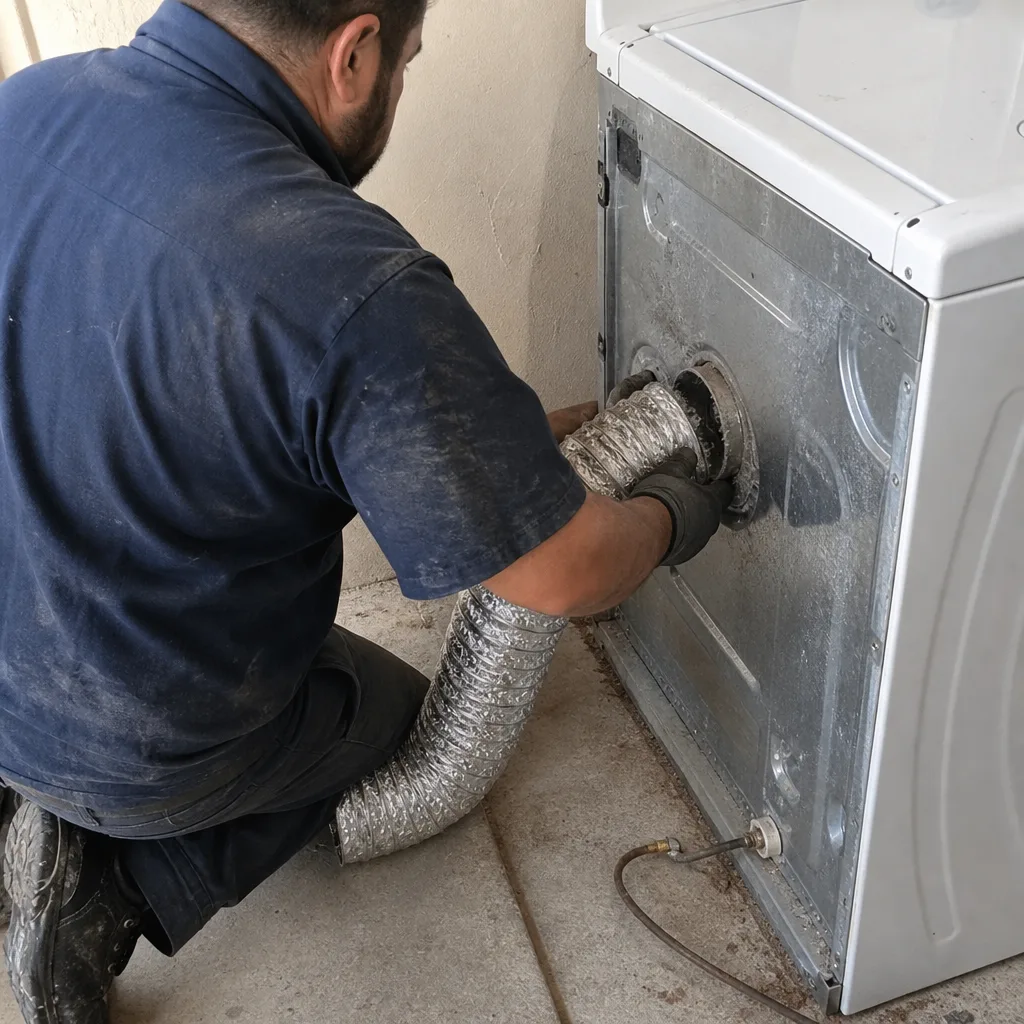
Katy’s growth pattern over the last 15 years created a specific set of duct conditions that show up consistently in our inspection records. The large master-planned communities – Cross Creek Ranch, Elyson, Cane Island, Firethorne – were built quickly and with interior laundry rooms positioned for floor-plan convenience rather than short-duct logic. The result is that a significant number of Katy homes have dryer duct runs of 18 to 28 feet, often with three or four elbows, before reaching an exterior wall.
Longer runs with multiple direction changes are not automatically a problem – they’re a code-compliant configuration when installed correctly – but they accumulate lint faster, require more careful inspection, and are more likely to have a low point where condensation collects during humid months. Our camera records from Katy jobs going back to 2013 show that the first elbow after the dryer collar is the most common lint deposit site regardless of run length, and that the junction between the flex transition duct and the rigid duct inside the wall is a frequent location for partial disconnection that only a camera finds.
If your home was built between 2005 and 2015 anywhere in the greater Katy area and has never had a documented vent inspection, the camera record you receive from a CleanRun inspection will likely be the first time you’ve seen the inside of that duct. For many homeowners in Cinco Ranch and Seven Meadows, that’s exactly what it is.
Our full home page outlines every service CleanRun provides across the Katy service area, including air duct cleaning, HVAC cleaning, and duct repair and sealing – services that sometimes follow directly from what a dryer vent inspection uncovers in adjacent mechanical areas.
Schedule a Dryer Vent Inspection in Katy
If you’re ready to know what’s actually inside your dryer vent – not what seems likely based on the dryer’s behavior, but what a camera and an airflow meter show on record – call (346) 666-7165. A live person answers every call. We’ll confirm your duct configuration, give you a written price before the appointment, and schedule a time that works. You’ll have a documented photo record and a written summary of findings before the technician leaves your driveway.
CleanRun has served Katy homeowners since 2013. Every inspection is backed by the 365-Day Done Right Promise: if the work isn’t right, we make it right – in writing, not subject to manager approval. That covers inspections the same as it covers any other job on our books.
Written by Tomas Reyes, Owner at CleanRun Air Duct Cleaning Katy, serving Katy.