
Last updated September 23, 2026
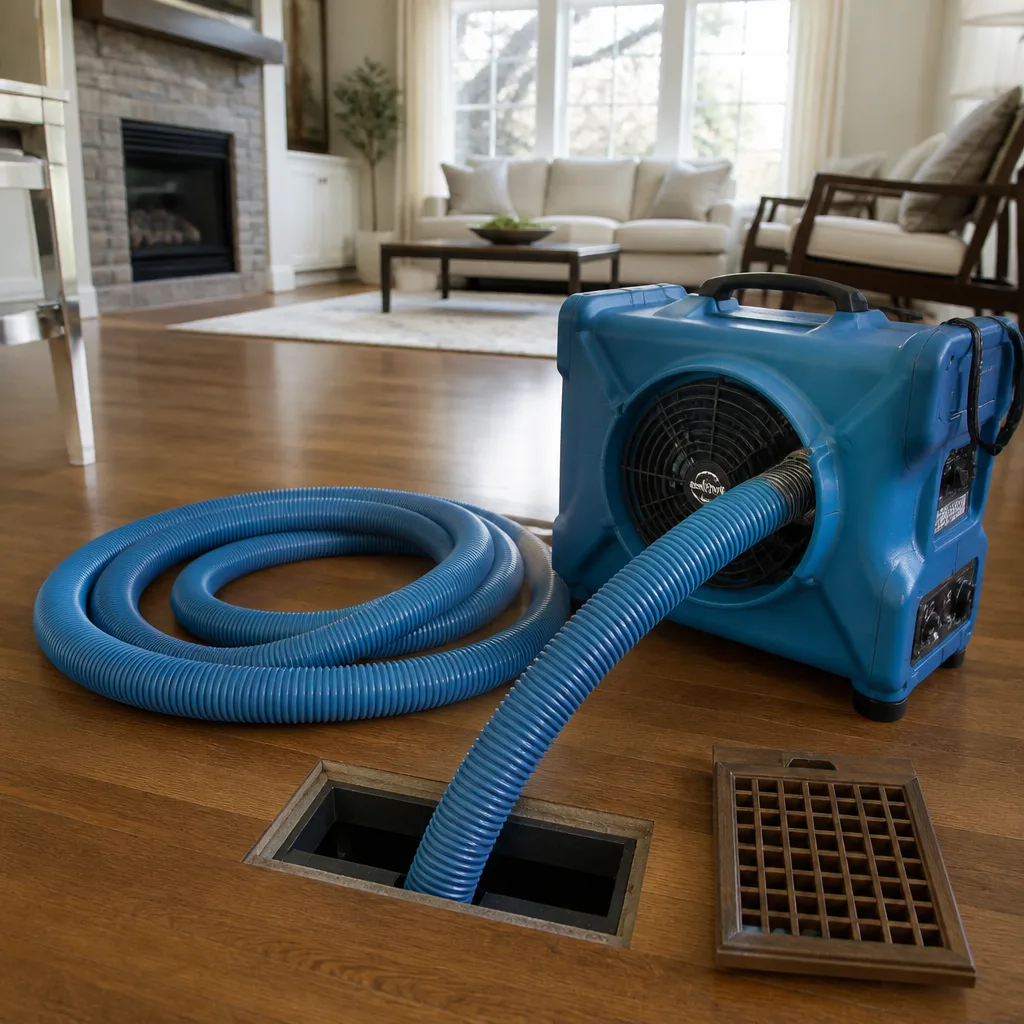
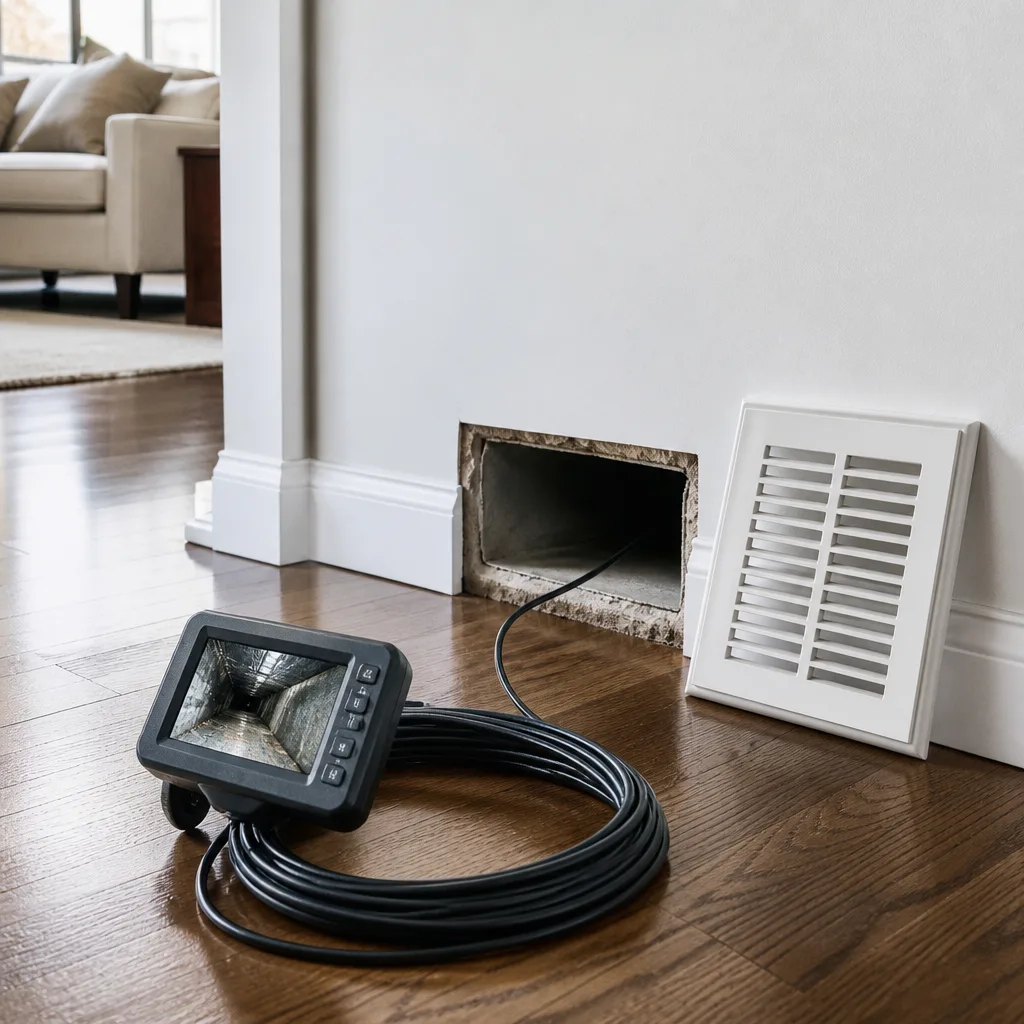
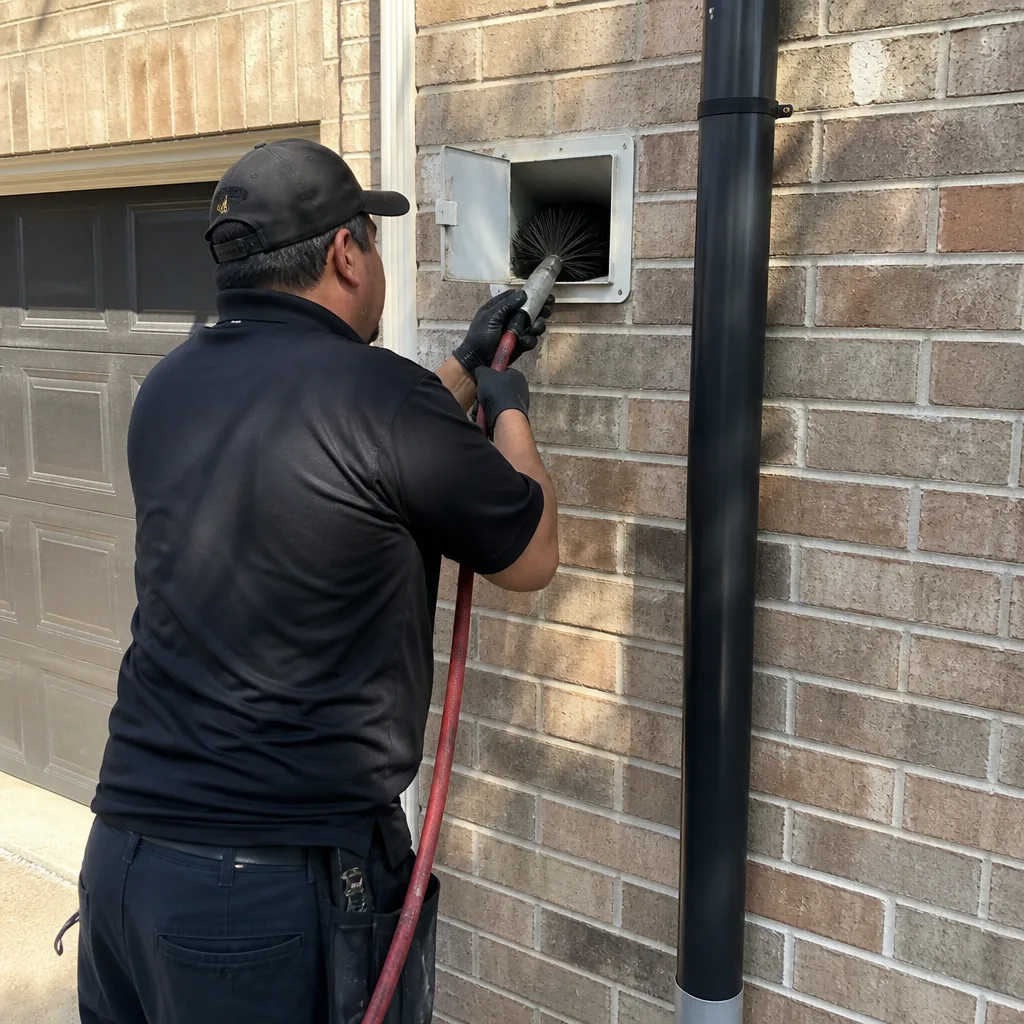
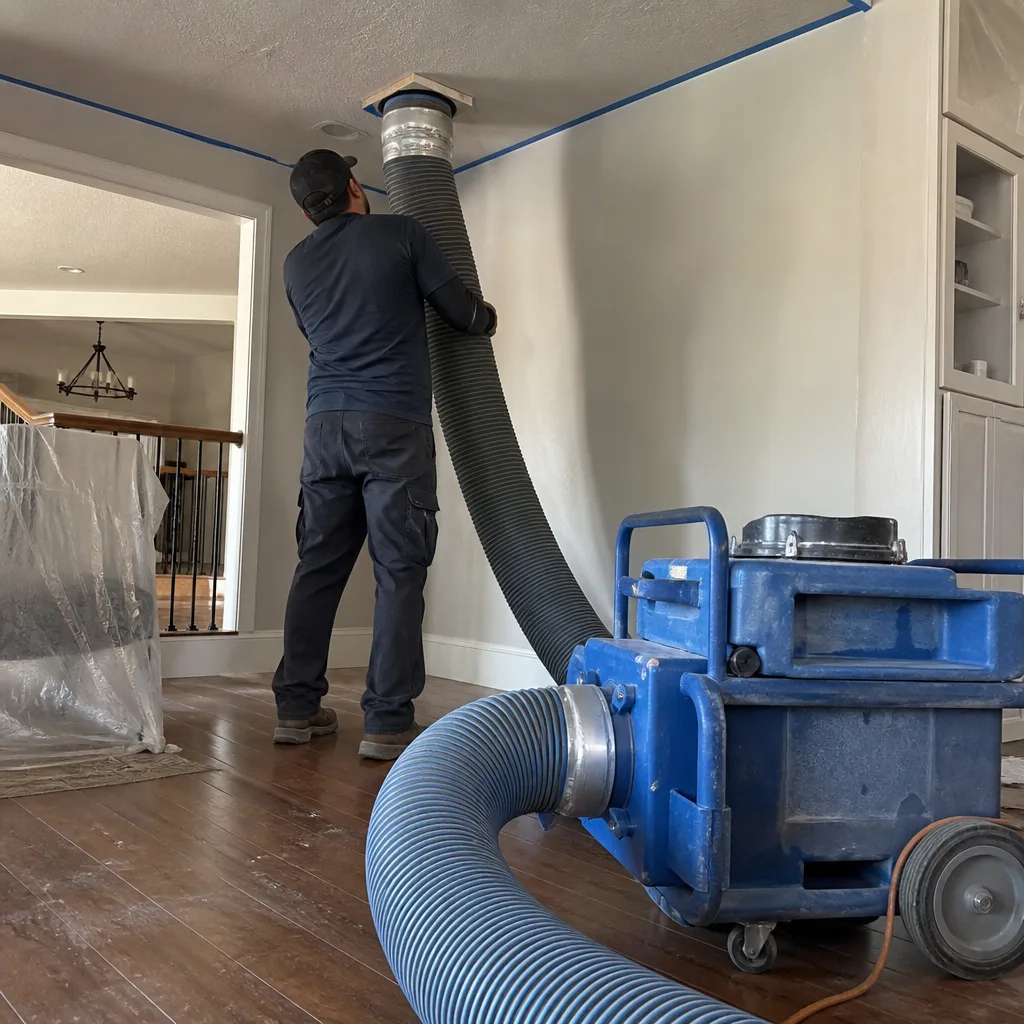
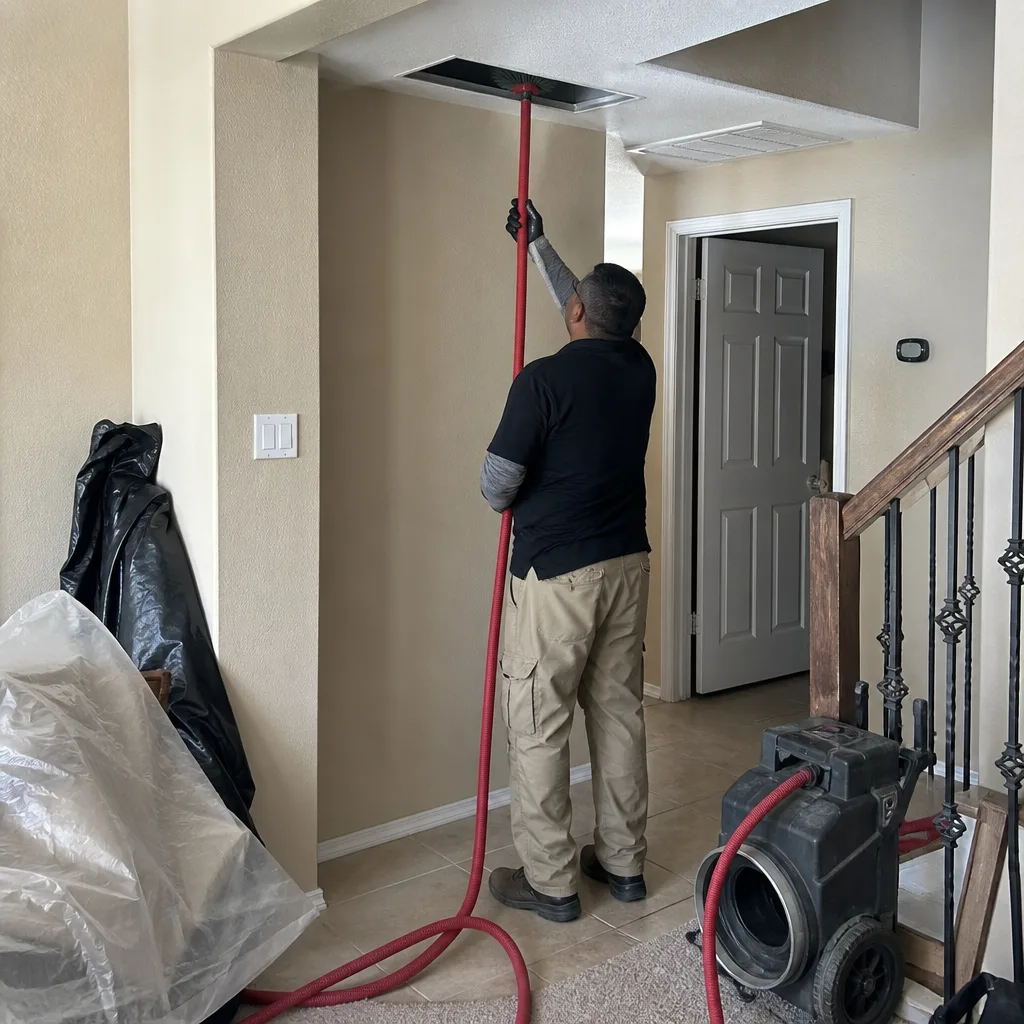
Whole-system duct and dryer vent check with before-and-after photos - you see exactly what came out of your vents
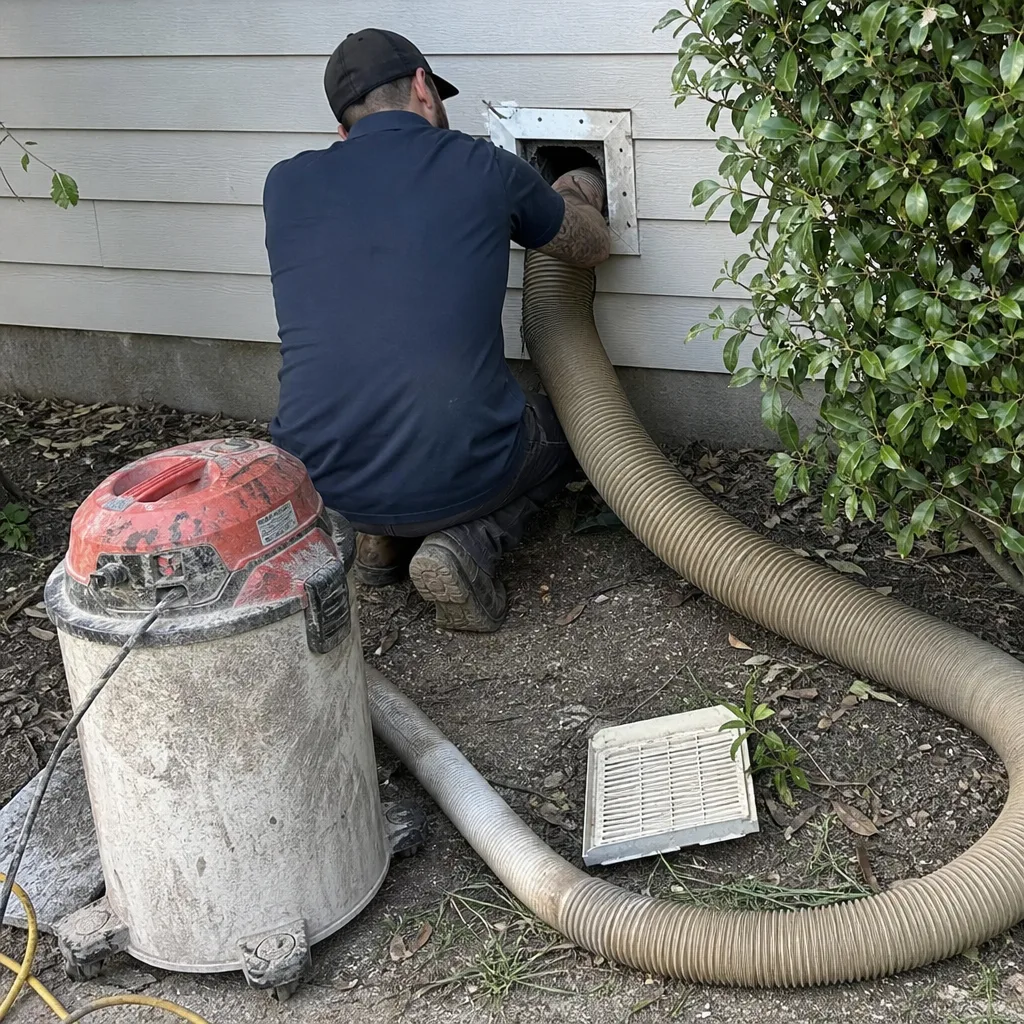
That "$99 whole-house special" is a bait ad - the real number appears once they are in your hallway, or the "clean" is a shop-vac at the register. We photograph the inside of your ducts before and after instead.

 Before
 After
After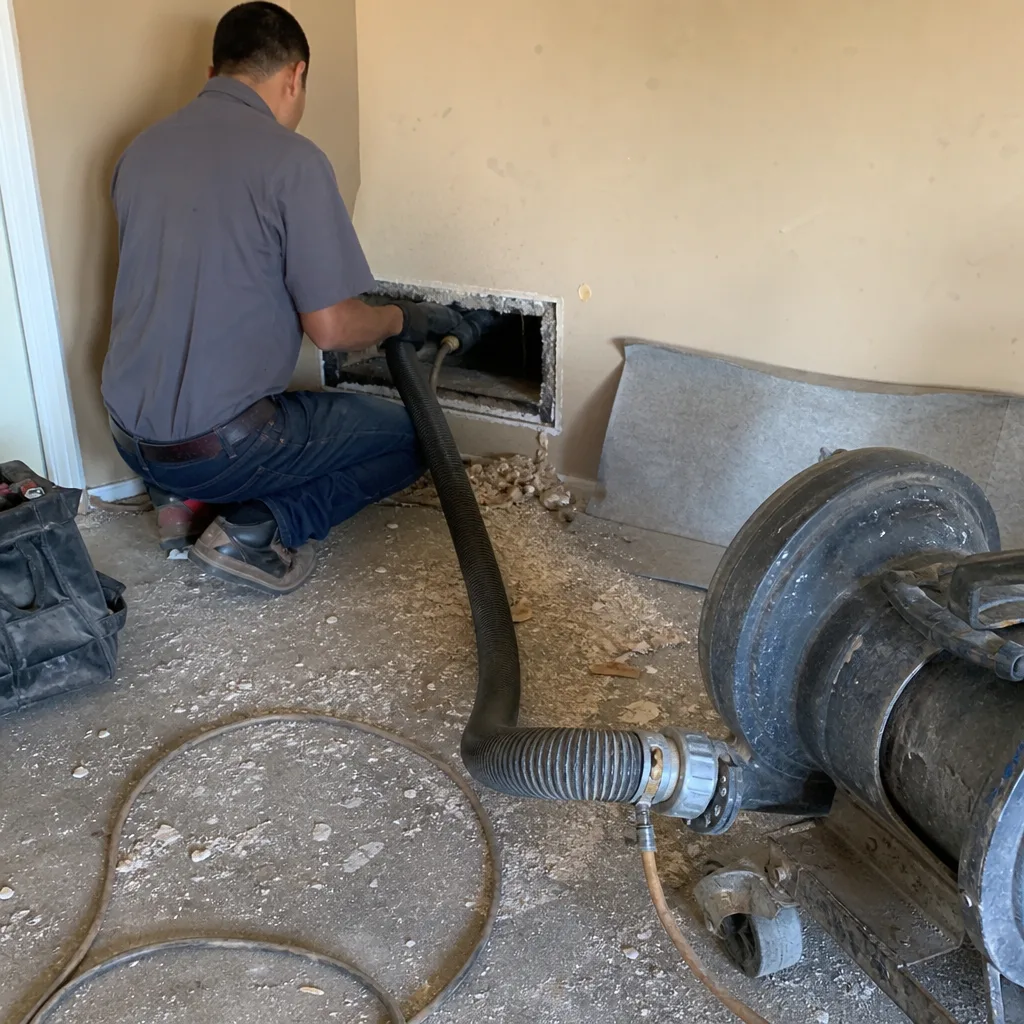 Before
 After
After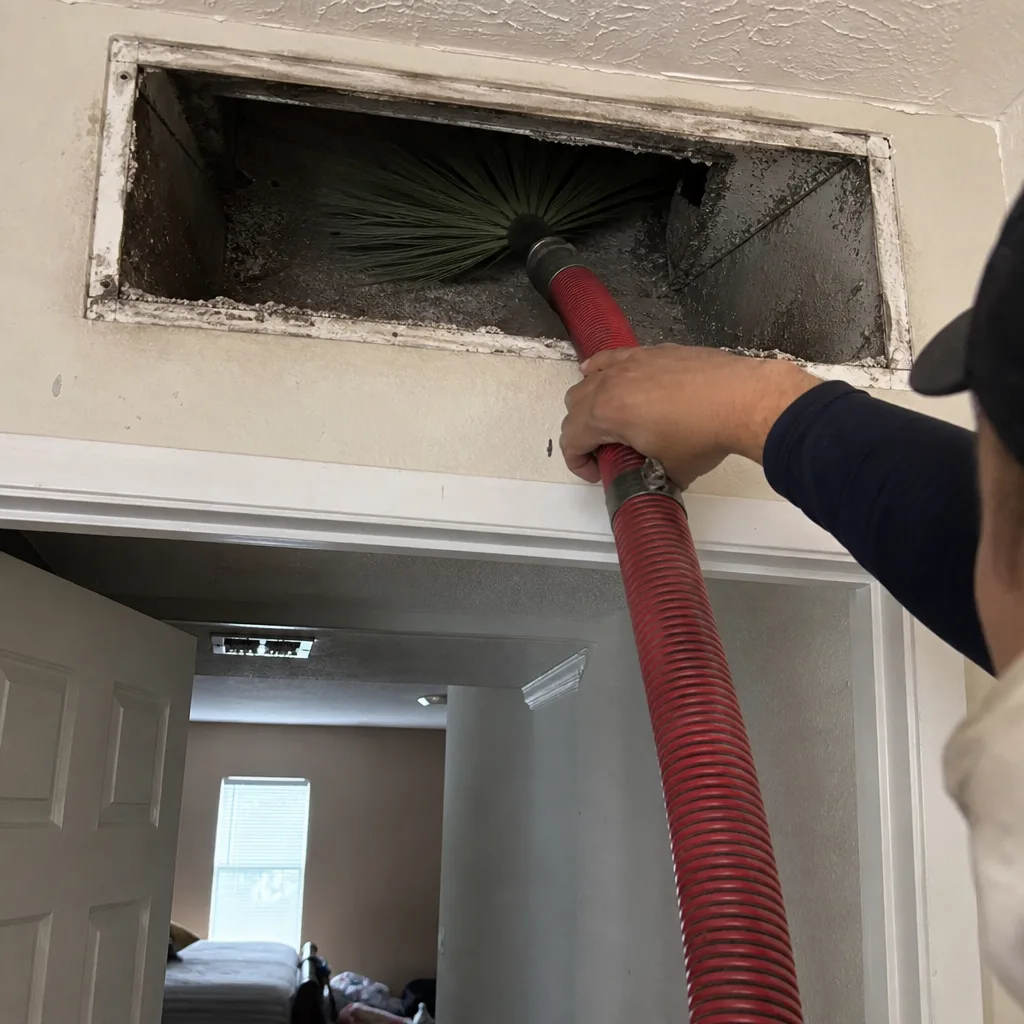 Before
 After
AfterAir Duct Cleaning Maintenance Checklist for Katy Homeowners
The standard advice to “change your filter every 90 days” assumes the filter is actually sealing the return box. In roughly one in three Katy homes we’ve photographed since 2013, there’s a gap large enough to pass a pencil. That means unfiltered attic air has been entering the system the entire time, bypassing the filter entirely. This guide gives Katy homeowners a property-specific inspection routine tied to our actual climate calendar - not a generic national checklist that ignores flex duct sag from attic heat, microbial growth from humidity spikes, and the specific damage pattern we see after Gulf storm seasons.
Quick Answer
Katy homeowners should inspect their duct system monthly for filter bypass and register airflow, seasonally for flex duct sag and plenum integrity, and annually with a professional who provides a documented photo record. A complete maintenance checklist accounts for Katy’s cooling-dominated climate, high humidity, and post-storm moisture events that degrade ductwork faster than national averages suggest.
Table of Contents
- The Katy Climate Calendar: A Month-by-Month Task List
- What Homeowners Can Do: Filter, Register, and Visual Checks
- How to Spot Flex Duct Sag and Kinked Runs Without Tools
- Document Your Own System: Phone Camera Baseline
- Filter MERV Ratings for Katy Homes: The Pet and Allergy Breakdown
- What Requires a Technician: Where the Line Is and Why
- Common Mistakes to Avoid
- When to Call a Professional
- Frequently Asked Questions
BeforeAfterThe Katy Climate Calendar: A Month-by-Month Task List
Katy’s climate isn’t kind to ductwork. We run cooling systems from March through November, attic temperatures regularly exceed 140°F in July and August, and humidity spikes after Gulf storms create conditions for microbial growth that dry-climate checklists never address. Here’s what we ask Katy homeowners to calendar based on what we’ve found in 52,000+ homes.
January-February: Heating System Audit
Even mild Katy winters stress heat strips and furnace components that sat idle for nine months. This is when we see cracked heat exchangers from thermal cycling and rodent damage from cooler attic activity.
- Run the heating system for a full cycle and smell for burning dust or electrical odors at registers
- Check the plenum - the large box where the furnace connects to the duct trunk - for rust streaks or water stains from condensate backup
- Inspect the condensate drain pan and line; algae growth from our humid summers causes winter blockages
- Photograph the filter slot and surrounding return box for gap documentation (see the phone camera section below)
March: Pre-Cooling Season Pressurization Check
Before the first 85°F day arrives, verify your system can handle the load. In Cinco Ranch and Seven Meadows, we regularly find systems that ran fine in October but lost 15-20% airflow over winter due to duct separation.
- Turn on cooling and let it run 15 minutes
- Hold a tissue at each register; it should cling firmly with the blower on high
- Walk the attic access and listen for whistling - it indicates a disconnected duct run or failed tape seal
- Check the outdoor condenser pad for level; Katy clay soil shifts in wet winters
April-May: Pollen and Allergy Season Filter Protocol
Katy oak pollen peaks in late March through April, and our live oak varieties produce secondary pollen in May. Standard 90-day filter advice fails here.
- Switch to pleated filters rated MERV 8-11 during pollen season (see the MERV section for sizing cautions)
- Inspect the filter every 30 days, not 90 - pollen load is visible as yellow-green coating within weeks
- Vacuum register faces and surrounding drywall; pollen accumulates on return register louvers and recirculates
June-August: Peak Load Monitoring
Attic ductwork in Katy endures sustained 130-150°F ambient temperatures. Flex duct insulation degrades, tape adhesives fail, and sag worsens as materials soften.
- Feel register airflow temperature after 10 minutes of runtime; it should be 55-60°F - warmer air suggests duct leakage or insulation failure
- Check ceiling registers for condensation staining, especially in second-story rooms where attic exposure is greatest
- Listen for blower strain; undersized ducts force the motor to work harder in peak heat
- Schedule professional inspection if utility bills spike without thermostat change - duct leakage is often the hidden cause
September: Post-Summer Flex Duct Assessment
After four months of peak thermal stress, flex duct in Katy attics shows its damage. We’ve replaced entire systems in Grand Lakes and Firethorne where sag had progressed to complete kinking.
- Visually inspect accessible flex duct for sag greater than 1 inch per foot of span
- Look for compression where ducts cross framing or rest on insulation
- Check inner liner tears at connection points - the heat-softened material separates from collars
October: Post-Harvey-Season Moisture Audit
Hurricane season officially ends November 30, but Katy sees its heaviest rainfall in September and October. This is when we find moisture damage from roof leaks, elevated attic humidity, and condensate line failures.
- Inspect the plenum and trunk lines for water stains or mold spotting
- Smell registers for mustiness - microbial growth in fiberglass duct liner is common after wet seasons
- Verify condensate line flow by pouring a cup of water into the drain pan; it should clear within 30 seconds
- Check exterior wall penetrations where refrigerant lines enter; sealant degrades in our UV exposure
November-December: System Shutdown Documentation
Before the mild heating season, document the system’s condition for year-over-year comparison.
- Photograph all accessible duct connections, the plenum, and the filter slot
- Note any changes from January photos - new rust, new gaps, new sag
- Schedule annual professional service if not already done; Air Duct Cleaning in Katy demand is lower in fall, with more scheduling flexibility
What Homeowners Can Do: Filter, Register, and Visual Checks
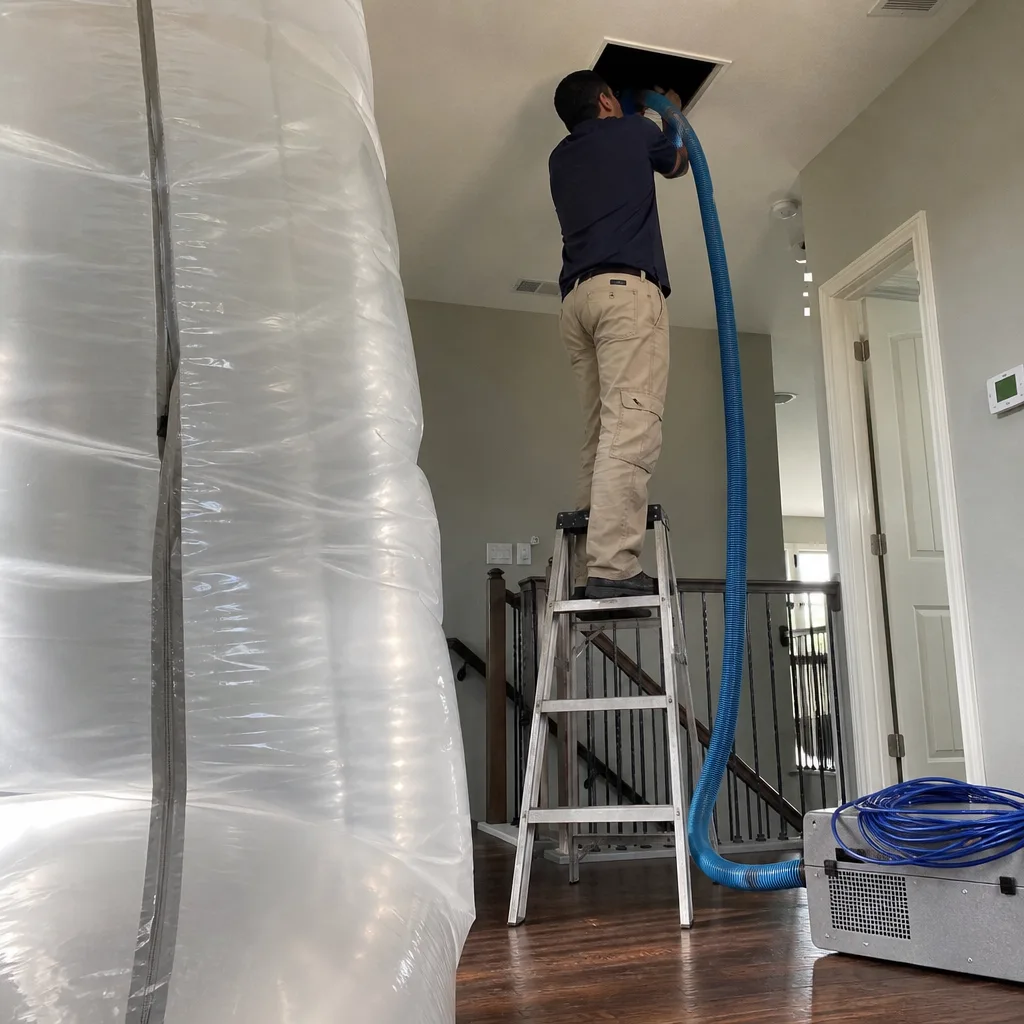
There’s a clear boundary between homeowner maintenance and technician work. Understanding it protects your safety, your warranty, and your system efficiency. Here’s what we teach Katy homeowners to handle themselves.
Filter Replacement (Monthly to Quarterly)
The filter is the homeowner’s primary tool - when it’s actually doing its job. In Katy, we see three failure modes: wrong size, wrong orientation, and bypass gaps.
- Turn off the system at the thermostat
- Remove the filter and note the arrow direction - it should point toward the blower, not the return
- Measure the actual slot dimensions; nominal sizes (16x25x1) often don’t match the physical opening
- Inspect the filter frame for deformation from heat or humidity - a warped frame creates bypass
- Install the new filter with the arrow pointing toward the blower motor
- Run the system and feel for air leakage around the filter frame with your hand
If you feel air escaping around the filter edges, you have bypass. This is not a filter problem; it’s a return box sealing problem that requires professional correction.
Register Cleaning and Inspection
Supply and return registers collect debris and provide visual access to duct conditions.
- Remove register covers with a screwdriver (don’t force painted-over screws)
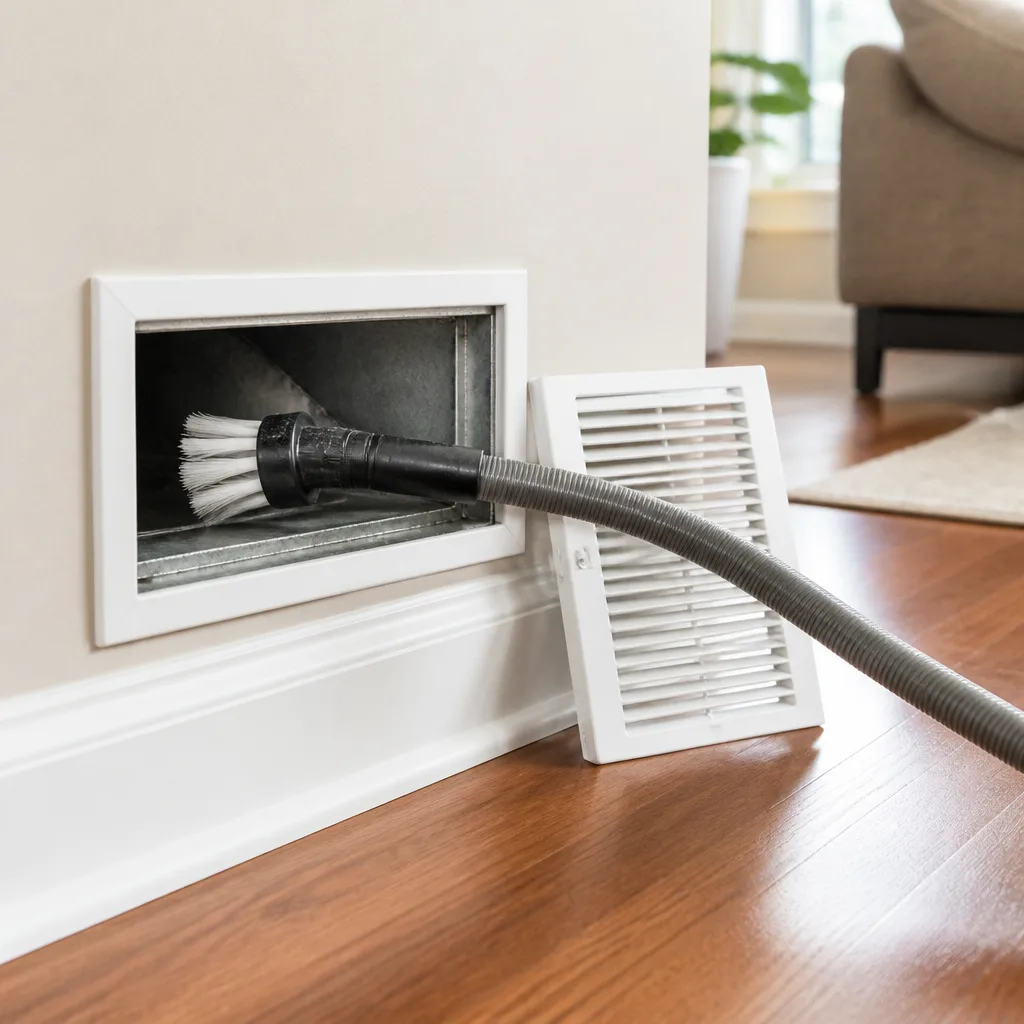
- Vacuum the boot - the short duct section behind the register - with a hose attachment
- Look down the duct with a flashlight; visible debris within arm’s reach is normal, accumulation beyond that suggests upstream problems
- Check for insect or rodent evidence: droppings, nesting material, or gnaw marks on the duct liner
- Reinstall covers and verify they don’t block airflow when fully open
Visual Plenum Check
The plenum is the central distribution box, usually above the furnace or air handler. In Katy, we find rust, water stains, and disconnected flex duct collars here more than any other location.
With the system off, remove the furnace access panel and photograph the plenum base. Look for:
- Rust streaks from condensate leaks or high humidity
- Separated tape or mastic at seams
- Discoloration of insulation indicating air leakage (the “dirt pattern” effect)
- Standing water in the drain pan
Document what you see. These photos become your baseline for year-over-year comparison and your evidence if a contractor claims damage is “new” when it’s years old.
How to Spot Flex Duct Sag and Kinked Runs Without Tools
Flex duct - the ribbed, insulated tubing common in Katy homes built 1985-2015 - degrades predictably in our heat. The inner liner softens, the wire helix relaxes, and the duct sags between supports. Sag becomes kink, and kink becomes blockage. Here’s how to identify it before airflow is severely restricted.
The Register Airflow Test
This requires no tools and takes five minutes per room.
- Close all interior doors and turn the system blower to “on” (not auto)
- Hold a tissue or lightweight ribbon 6 inches from each supply register
- Note which registers show weak or no airflow - mark these rooms
- Open the corresponding return path (door or hallway) and retest; if airflow improves significantly, the restriction is likely in the duct run, not the register
- Compare weak rooms to your home’s duct layout; runs with the longest horizontal span in the attic are most prone to sag
In our Katy work, we find that bedrooms at the far end of single-story homes - especially in older Cinco Ranch and Kelliwood builds - show 30-40% airflow reduction from sag alone.
Visual Sag Identification
If you have attic access, inspect flex duct runs with a flashlight. Healthy flex duct maintains a smooth, gradual curve. Problem signs include:
- Sag exceeding 1 inch per foot of unsupported span (a 10-foot run should not droop more than 10 inches)
- “V” shaped sag where the duct hangs from two supports with a low point between them
- Kinks or sharp bends where the duct changes direction - the inner liner creases and restricts airflow
- Compression from contact with insulation, framing, or other ducts
- Tears or separation at metal collar connections
A kinked duct run can reduce airflow to a room by 50% or more while the blower works harder to compensate. This is not a homeowner repair; flex duct replacement requires proper sizing, support spacing, and sealing to code.
Document Your Own System: Phone Camera Baseline
Before you hire any contractor, you need a baseline. The photo record we provide on every CleanRun Air Duct Cleaning Katy home visit is valuable because it’s dated and standardized. You can create your own preliminary record with a phone camera.
What to Photograph
- Filter slot and surrounding return box - straight-on and angled to show gaps between the filter frame and sheet metal
- Plenum base and visible seams - with the furnace access panel removed, flash photography shows rust and separation clearly
- Each accessible duct connection - where flex duct meets metal collars, where trunk lines branch
- Condensate drain pan and line exit - document water stains, algae growth, and line routing
- Attic duct runs - wide shots showing support spacing and sag patterns, plus close-ups of problem areas
- Every register face and surrounding ceiling - stains, discoloration, and damage to drywall or paint
How to Organize
Date every photo. Create folders by location: “Attic,” “Furnace,” “Registers.” Add a text note with each batch recording: outdoor temperature, system runtime before inspection, and any odors or sounds observed. This context prevents contractors from attributing seasonal condensation to “major leaks” or dismissing visible mold as “dust.”
When you request service, send these photos with your inquiry. A technician who refuses to review customer documentation before arriving is telling you something about their process.
Filter MERV Ratings for Katy Homes: The Pet and Allergy Breakdown
MERV - Minimum Efficiency Reporting Value - measures filter particle capture. Higher MERV traps smaller particles. But in Katy’s cooling-dominated climate, higher MERV also increases resistance, forcing the blower motor to work harder and potentially causing coil freeze-up or premature motor failure.
The Sizing Rule
Before selecting MERV, verify your system’s blower capacity. The filter slot dimensions don’t tell you this; the blower motor rating and ductwork static pressure do. If you don’t have this data from your original installation, a professional can measure it.
| Home Profile | Recommended MERV | Katy-Specific Consideration |
|---|---|---|
| No pets, no allergies, basic dust control | MERV 6-8 | Adequate for our pollen load with monthly checks during oak season |
| One pet, mild seasonal allergies | MERV 8-10 | Pleated design; check monthly, replace every 45-60 days |
| Multiple pets, allergy occupants, or respiratory sensitivity | MERV 11-13 | Requires verified blower capacity; undersized systems will struggle |
| HEPA-level needs (severe asthma, immunocompromised) | MERV 13+ or dedicated air cleaner | Typically requires system modification; not a drop-in filter solution |
The Pet Hair Factor
In Katy, where indoor-outdoor pets track Gulf Coast debris, we see filters load faster than manufacturer estimates. A MERV 10 filter rated for 90 days may require 45-day replacement. The restriction isn’t particle capture; it’s hair matting on the pleat face that increases pressure drop before the pleat media is loaded.
Never operate without a filter to “reduce strain.” Unfiltered return air deposits debris directly on the evaporator coil, creating a far more expensive cleaning or replacement. If your system can’t handle MERV 11 with your pet load, improve source control (grooming, hard flooring) rather than removing filtration.
What Requires a Technician: Where the Line Is and Why
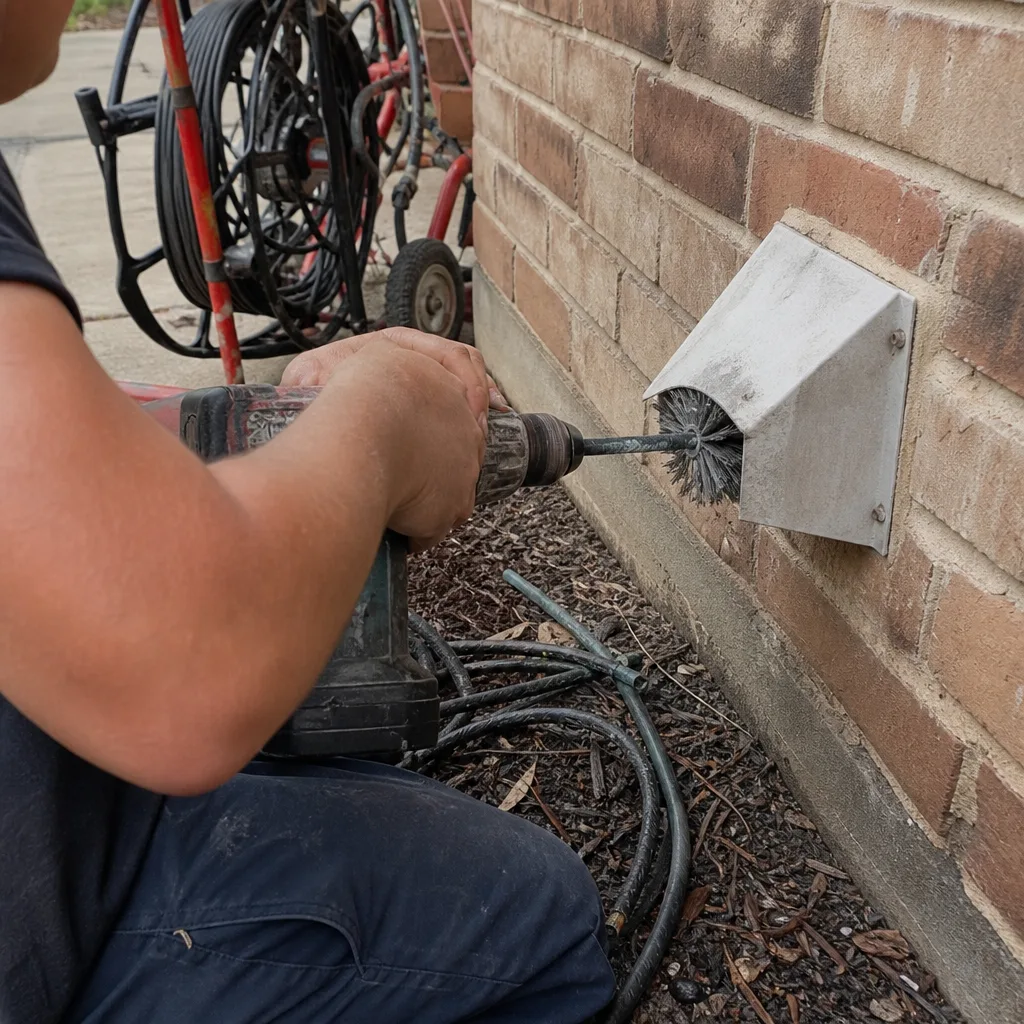
Some maintenance is genuinely DIY. Some is legally restricted. Most falls in a middle zone where homeowner effort risks system damage or personal injury. For Air Duct Cleaning Permits, Codes & Inspections in TX: What You Need to Know, see our detailed breakdown. Here’s how we draw the line at CleanRun.
Homeowner-Appropriate Tasks
- Filter inspection and replacement with correct sizing
- Register face removal, vacuuming, and reinstallation
- Visual inspection of accessible components with documentation
- Thermostat programming and filter change reminders
- Condensate line flush with diluted vinegar (gentle, no pressure)
Technician-Required Work
- Duct repair and sealing - mastic application, metal patching, and flex duct replacement require code compliance and proper pressure testing
- Evaporator coil cleaning - the coil is fragile; improper cleaning bends fins and causes refrigerant leaks
- Blower motor and assembly service - electrical hazard, and balance affects system longevity
- Refrigerant handling - EPA Section 608 certification required by federal law
- Plenum modification or replacement - affects system static pressure and requires engineering calculation
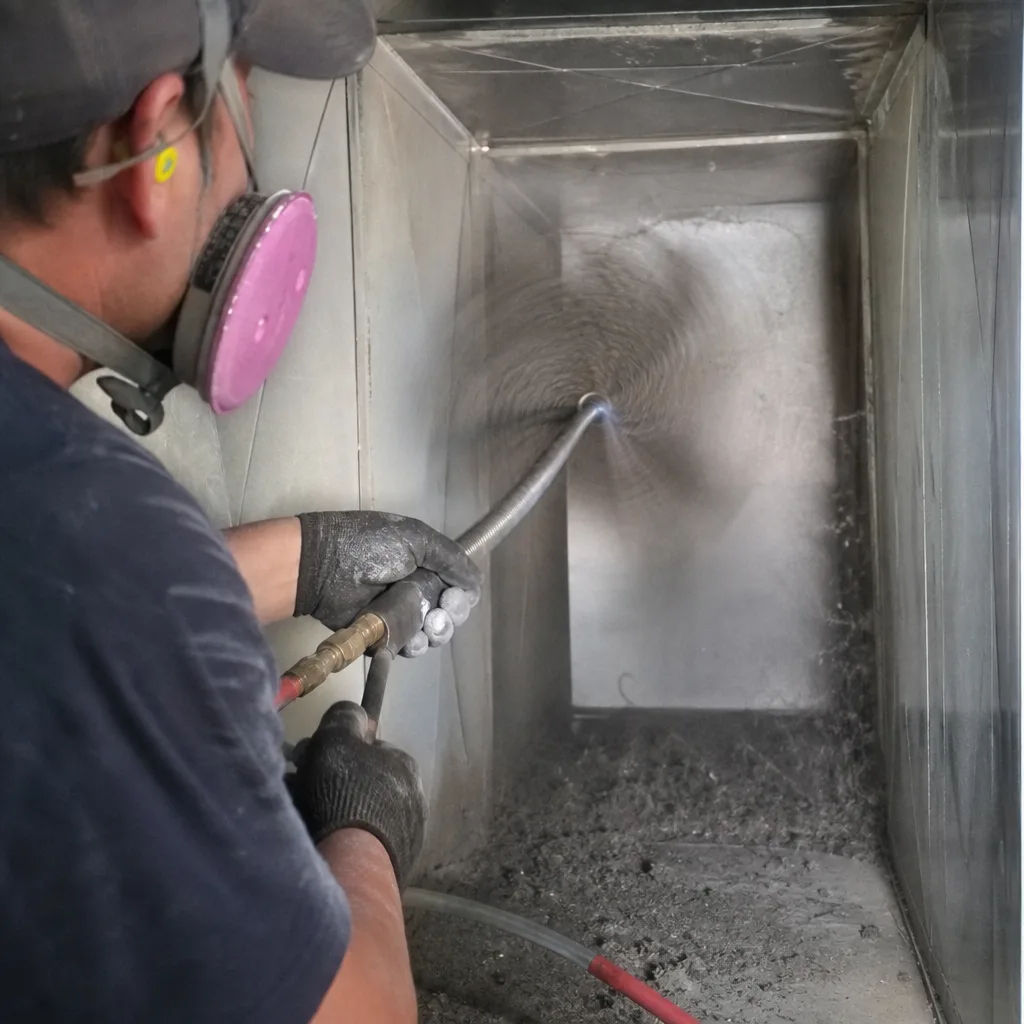
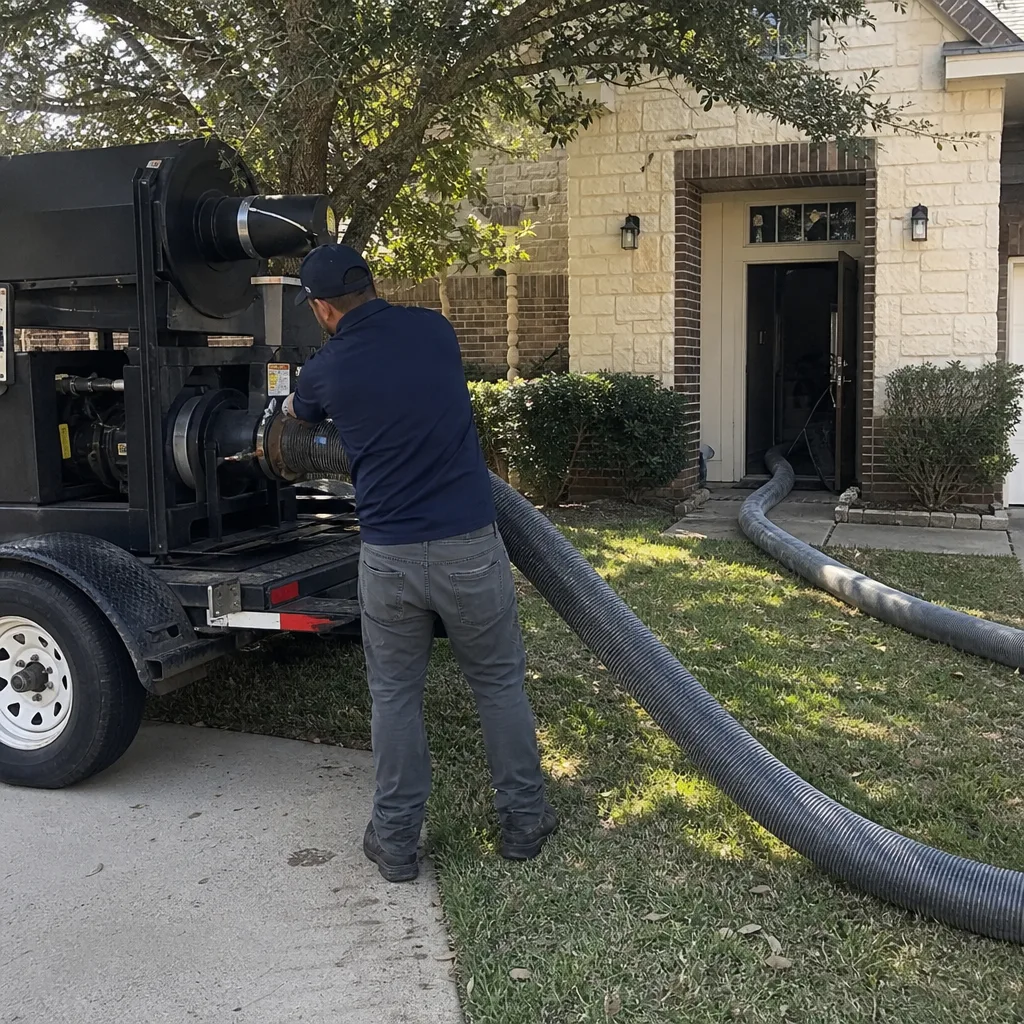
- Negative-pressure extraction cleaning - the method we use with Rotobrush and Nikro equipment - requires containment, HEPA filtration, and post-cleaning verification
The Documentation Difference
When we perform technician-level work, Haven Standard Clause 1 requires a written price before any work starts. Haven Standard Clause 4 requires the documented photo record of every duct run, before and after. You receive these as concrete deliverables, not verbal assurances. If a contractor won’t put scope and price in writing before beginning, that’s your signal to stop the interaction.
Common Mistakes to Avoid
- Assuming a new filter means clean air. In Katy, filter bypass from poorly sealed return boxes is epidemic. The filter can be pristine while unfiltered attic air enters downstream. Verify seal integrity, not just filter presence.
- Using the highest MERV rating available. We’ve replaced blower motors in Katy homes where MERV 13 filters choked airflow for two summers. Match MERV to system capacity, not marketing claims.
- Ignoring flex duct after visible “minor” sag. Sag progresses. A 2-inch droop this year becomes a kink next year. Document and monitor; don’t assume stability.
- Cleaning registers with water or spray cleaners. Moisture introduced into the duct boot promotes microbial growth in our humidity. Vacuum only; let the register dry completely if removed for washing.
- Skipping post-storm inspection. After Hurricane Harvey in 2017, we found duct systems in Katy that appeared functional but contained flood-contaminated insulation. Any water intrusion event warrants professional assessment, even if the system blows air.
- Accepting “blow-and-go” duct cleaning. A shop vacuum at the register is not duct cleaning. HVAC Cleaning in Katy requires negative-pressure extraction with agitation and HEPA containment; anything less redistributes debris.
- Failing to photograph before any service. Without your own baseline, you cannot verify contractor claims about pre-existing conditions. The 10 minutes of documentation protects you from inflated repair recommendations.
When to Call a Professional
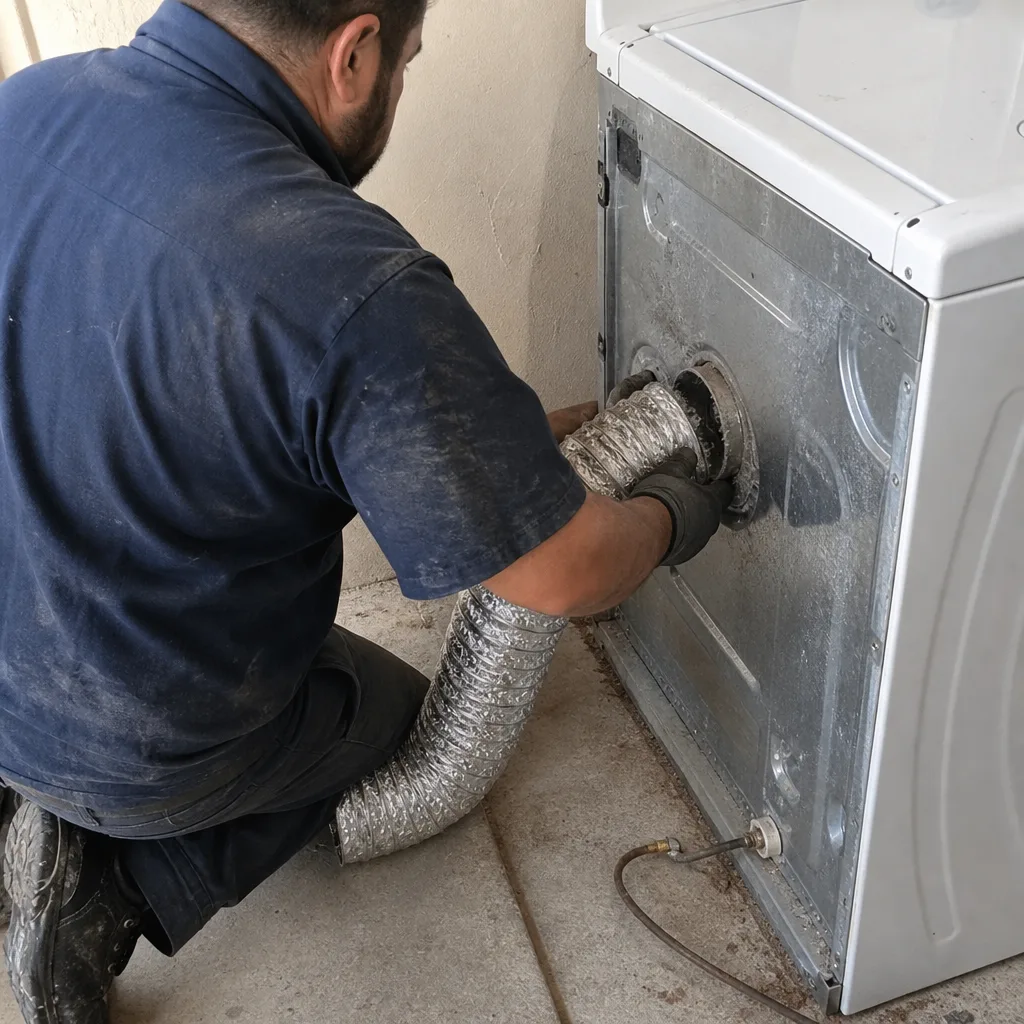
Call a technician when you observe: persistent musty odors from registers, visible mold on duct surfaces, water stains on ceiling registers, more than 15°F temperature difference between rooms, or blower noise that changes pitch or volume. For guidance on spotting problems early, see Air Duct Cleaning Warning Signs: A Katy Homeowner’s Reference Guide. These symptoms indicate conditions beyond homeowner maintenance.
When you call, request specific evidence practices: written pricing before work, before-and-after photography of every duct run, and equipment identification by manufacturer. CleanRun Air Duct Cleaning Katy offers free estimates in Katy - call (346) 666-7165. Every estimate includes a written scope and price under Haven Standard Clause 1, with no obligation to proceed. For Dryer Vent Cleaning in Katy or full system assessment, the same documentation standards apply.
Frequently Asked Questions
Whole-system our Air Duct Cleaning services in Katy typically ranges from $400 to $800 for a standard single-family home, depending on system size, accessibility, and contamination level. CleanRun provides a written flat price per system before any work begins - no per-vent add-ons, no post-arrival upsells. Call (346) 666-7165 for an exact quote; estimates are free.
$79-$149 offers typically cover register vacuuming only, not full-system negative-pressure extraction with agitation. The equipment difference is substantial: a shop vacuum versus professional systems from Nikro or Abatement Technologies with HEPA containment and rotary brush agitation. Ask specifically what equipment will be used, whether every duct run will be photographed, and if the price is guaranteed in writing before work starts.
Require a documented photo record of every duct run, before and after, as a standard deliverable - not an extra. At CleanRun, this has been included on every job since 2013. The photos should show the interior duct surface, not just the register face. If a contractor cannot or will not provide this, the work is unverified.
For most Katy homes, every 3-5 years with proper filter maintenance. Homes with multiple pets, recent renovation, or occupants with respiratory conditions may need more frequent service. Post-flood or post-storm water intrusion always warrants inspection regardless of schedule. The key variable is not time; it’s documented contamination visible in the duct interior.
You can clean register faces and visible boot sections; you cannot perform whole-system duct cleaning. Shop vacuums lack the negative-pressure containment to prevent debris redistribution, the agitation tools to dislodge adhered contamination, and the reach to access the full duct network. Attempting to force a vacuum hose into flex duct risks tearing the inner liner, creating a far more expensive repair.
Not automatically. Antimicrobial treatment is appropriate when visible microbial growth is documented in the photo record, not as a routine upsell. In Katy’s climate, moisture control - fixing leaks, improving attic ventilation, maintaining condensate drainage - prevents recurrence more effectively than repeated chemical application. We specify treatment only when the photo record shows active growth, per Haven Standard Clause 2: Evidence-Based Scope.
The Bottom Line
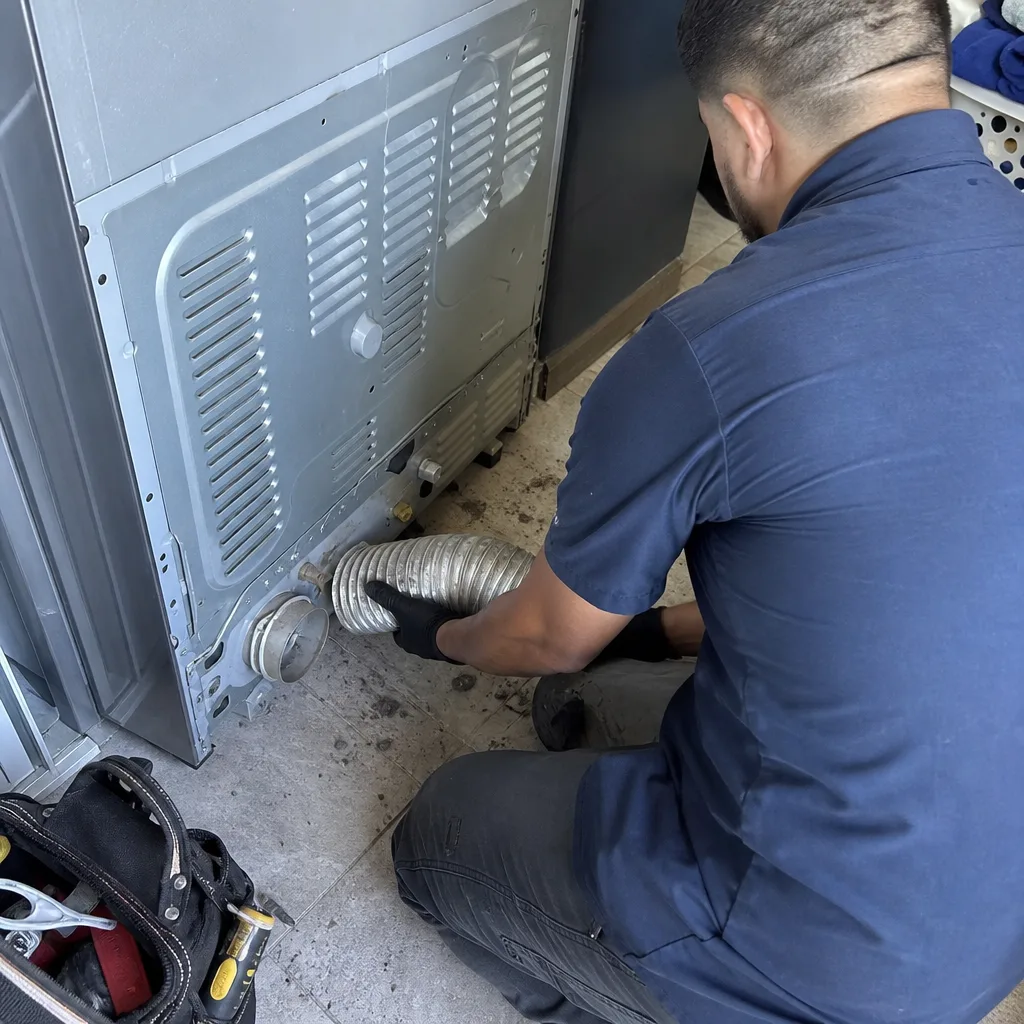
For more guides & resources, explore our blog. Katy duct maintenance is not a generic quarterly checklist. It’s a climate-specific practice keyed to our cooling-dominated load cycles, Gulf humidity patterns, and the particular vulnerabilities of flex duct in attic heat. The homeowners who maintain their systems best document what they see, understand the boundary between DIY and professional work, and demand written evidence from any contractor they hire. Filter bypass, flex duct sag, and post-storm moisture are the three conditions we find most often in Katy homes - and the three that generic checklists miss entirely.
CleanRun Air Duct Cleaning Katy has documented 52,000+ homes since 2013 with written prices before work and photo records after. The 365-Day Done Right Promise applies to every job, backed in writing, not as a policy subject to manager approval. For a free estimate with guaranteed flat pricing, call (346) 666-7165.
Written by Tomas Reyes, Owner at CleanRun Air Duct Cleaning Katy, serving Katy since 2013.