
Last updated September 23, 2026
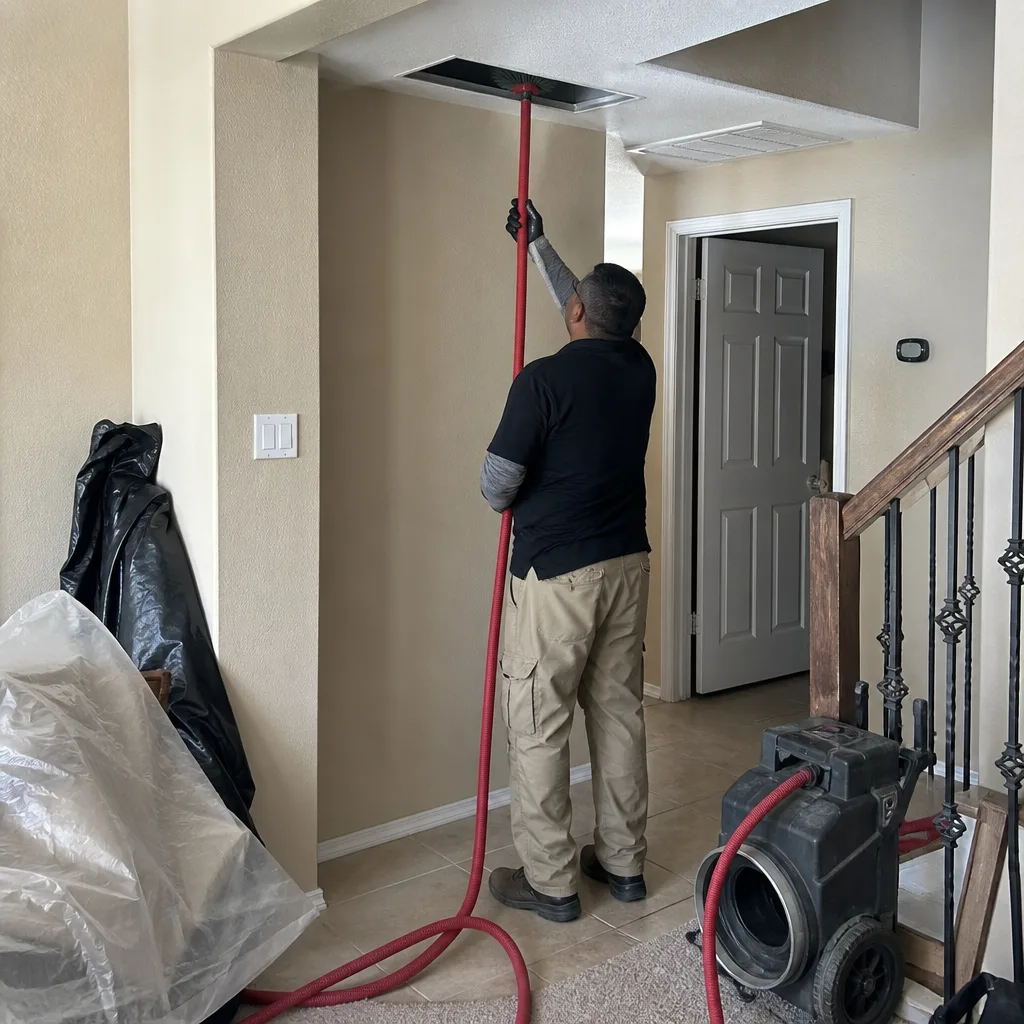
Whole-system duct and dryer vent check with before-and-after photos - you see exactly what came out of your vents
That "$99 whole-house special" is a bait ad - the real number appears once they are in your hallway, or the "clean" is a shop-vac at the register. We photograph the inside of your ducts before and after instead.
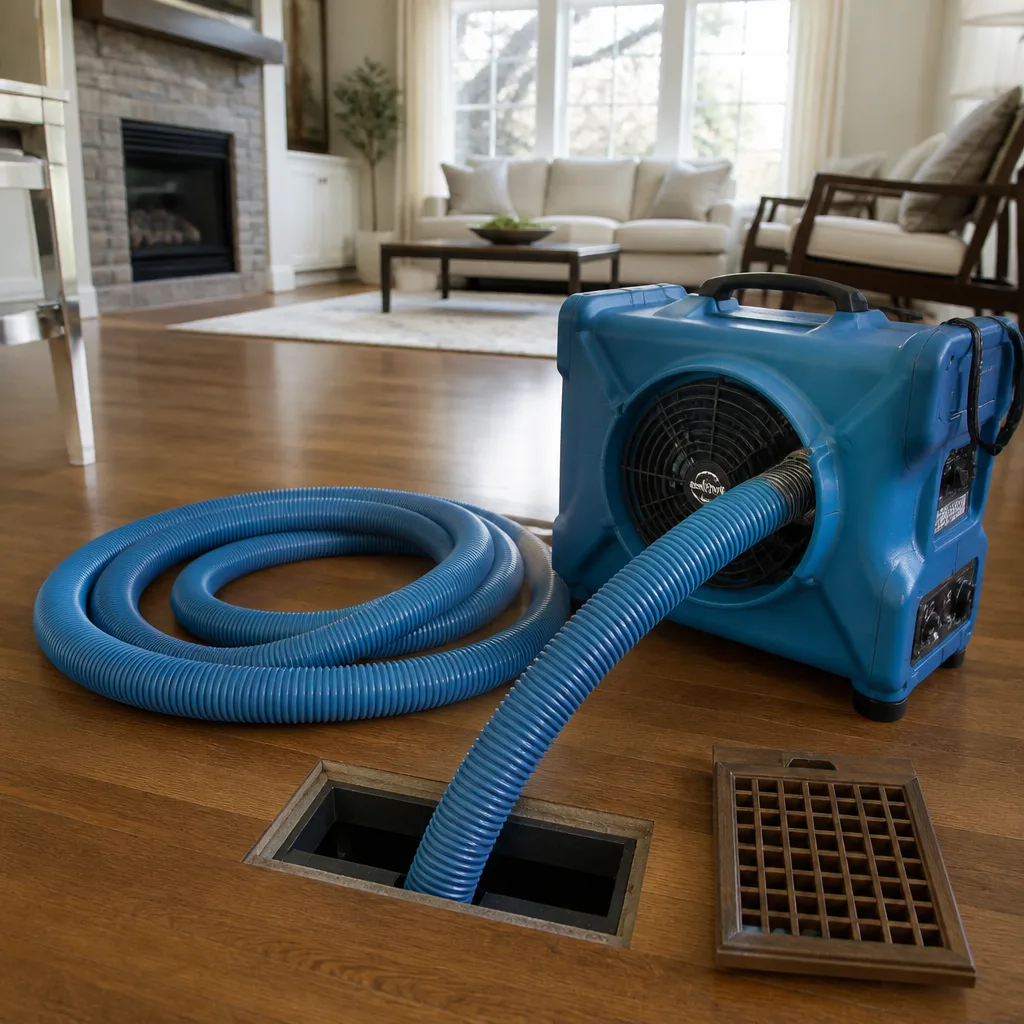
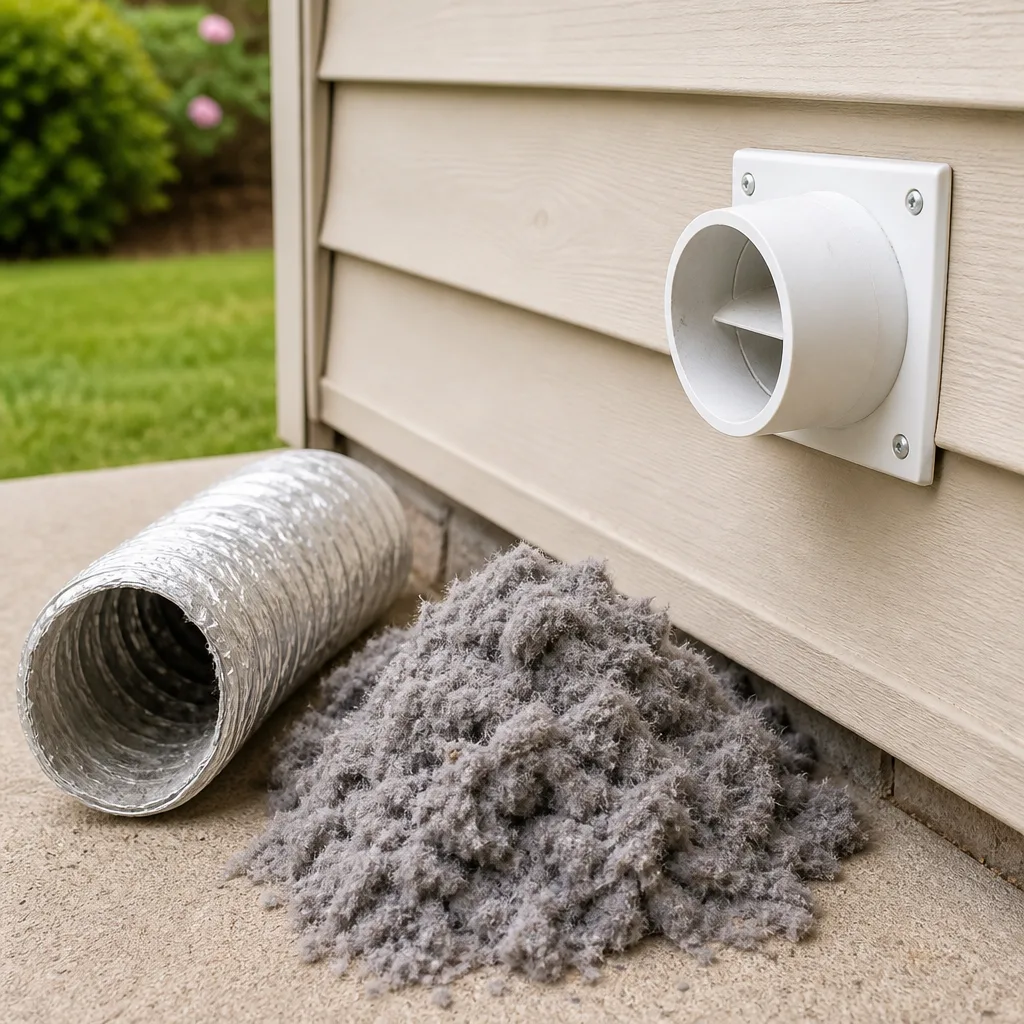
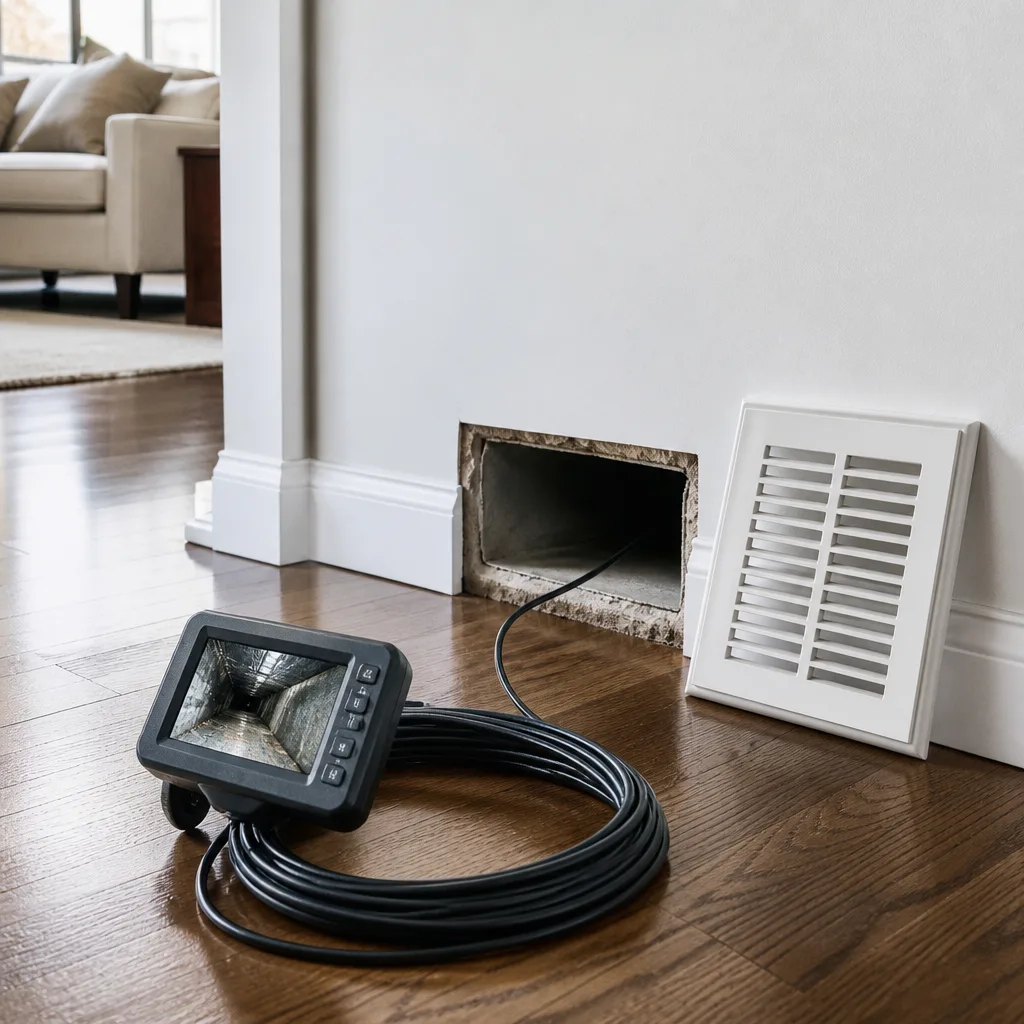
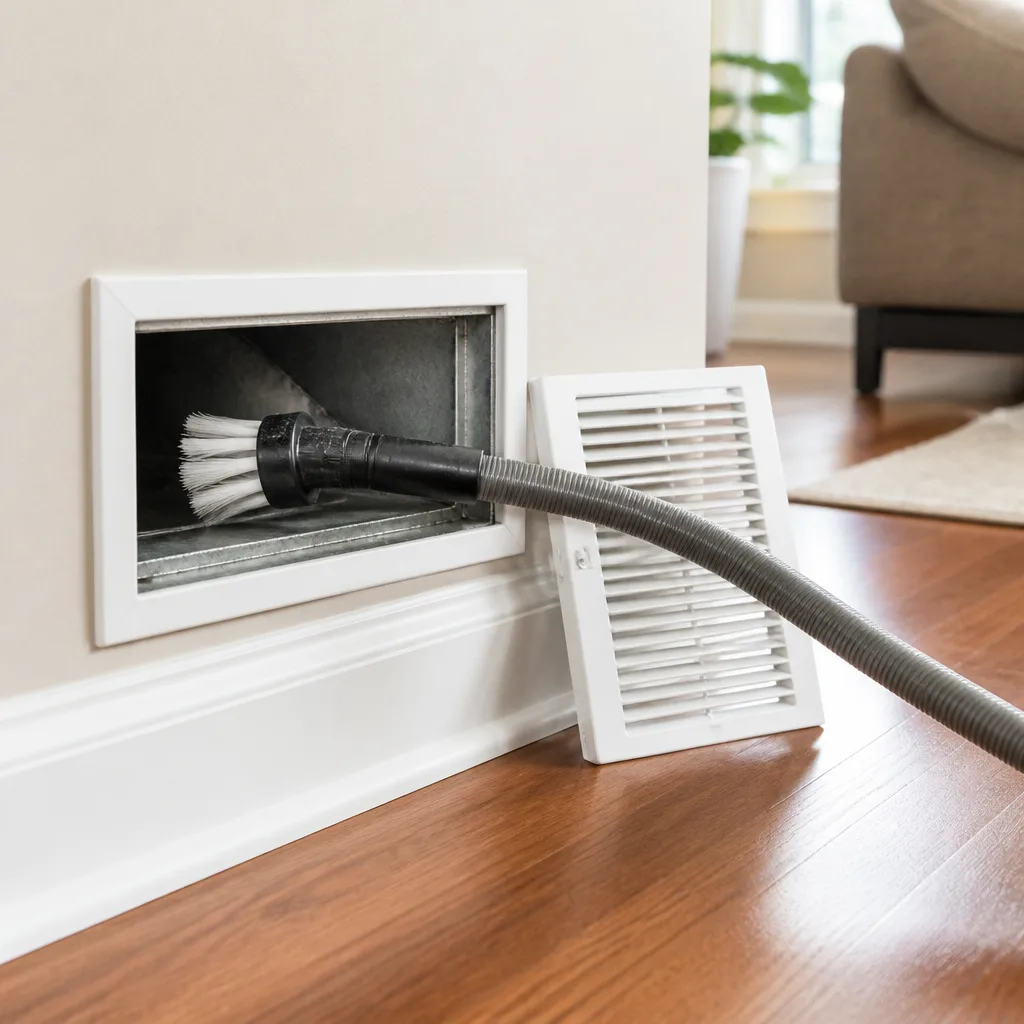
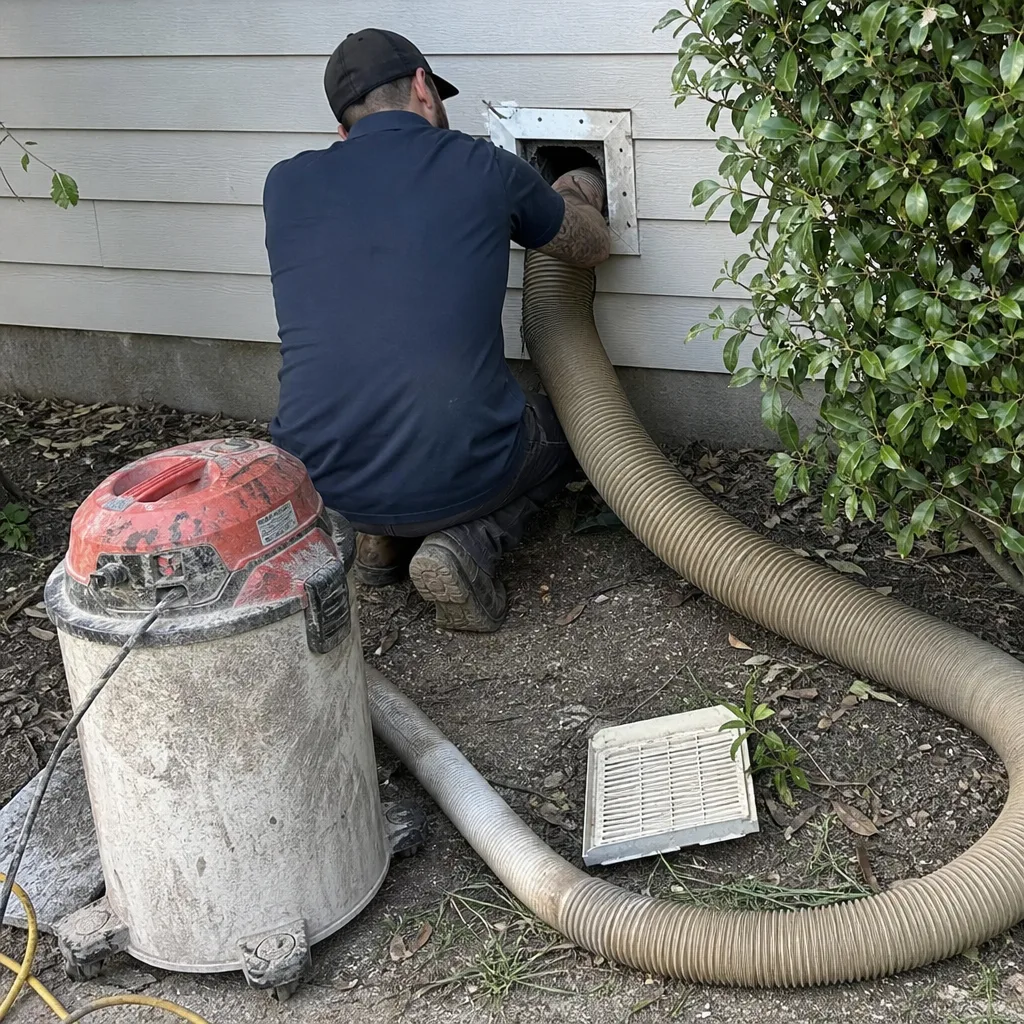 Before
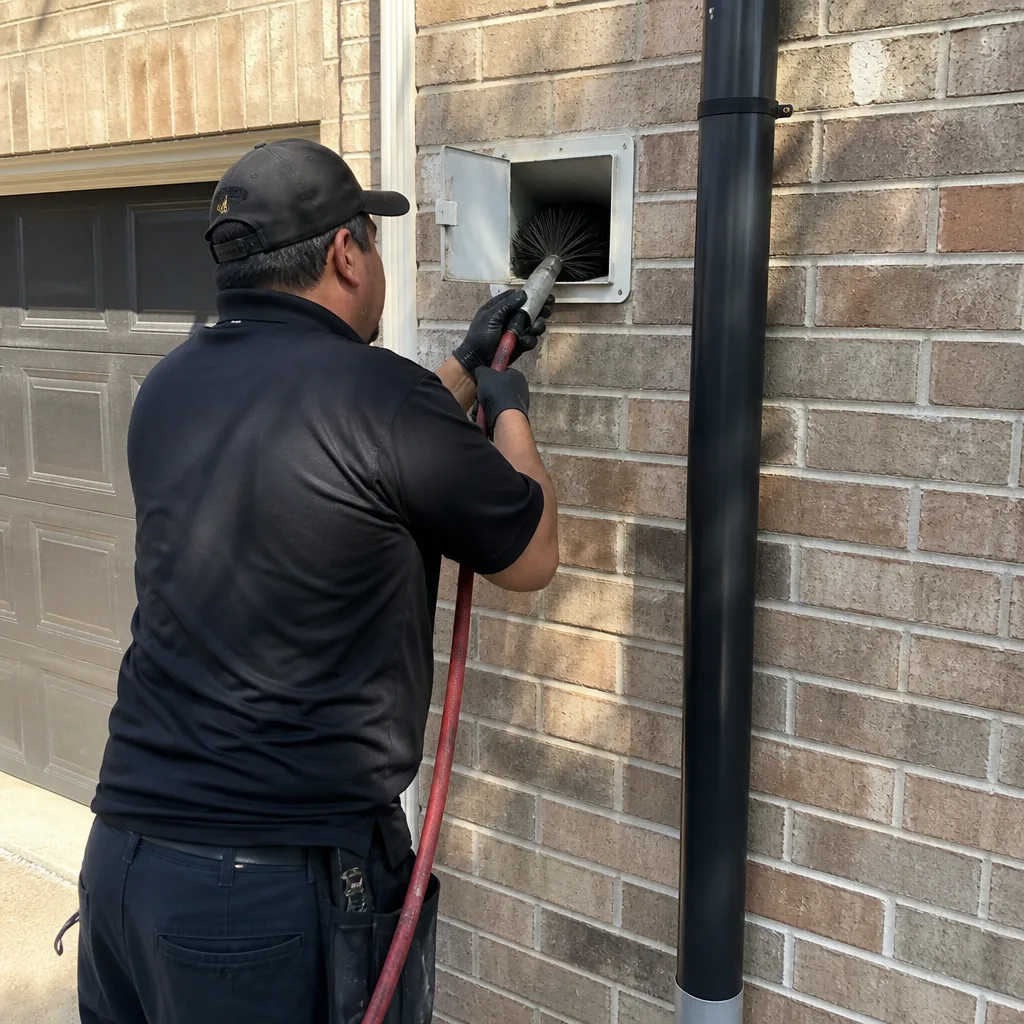 After
After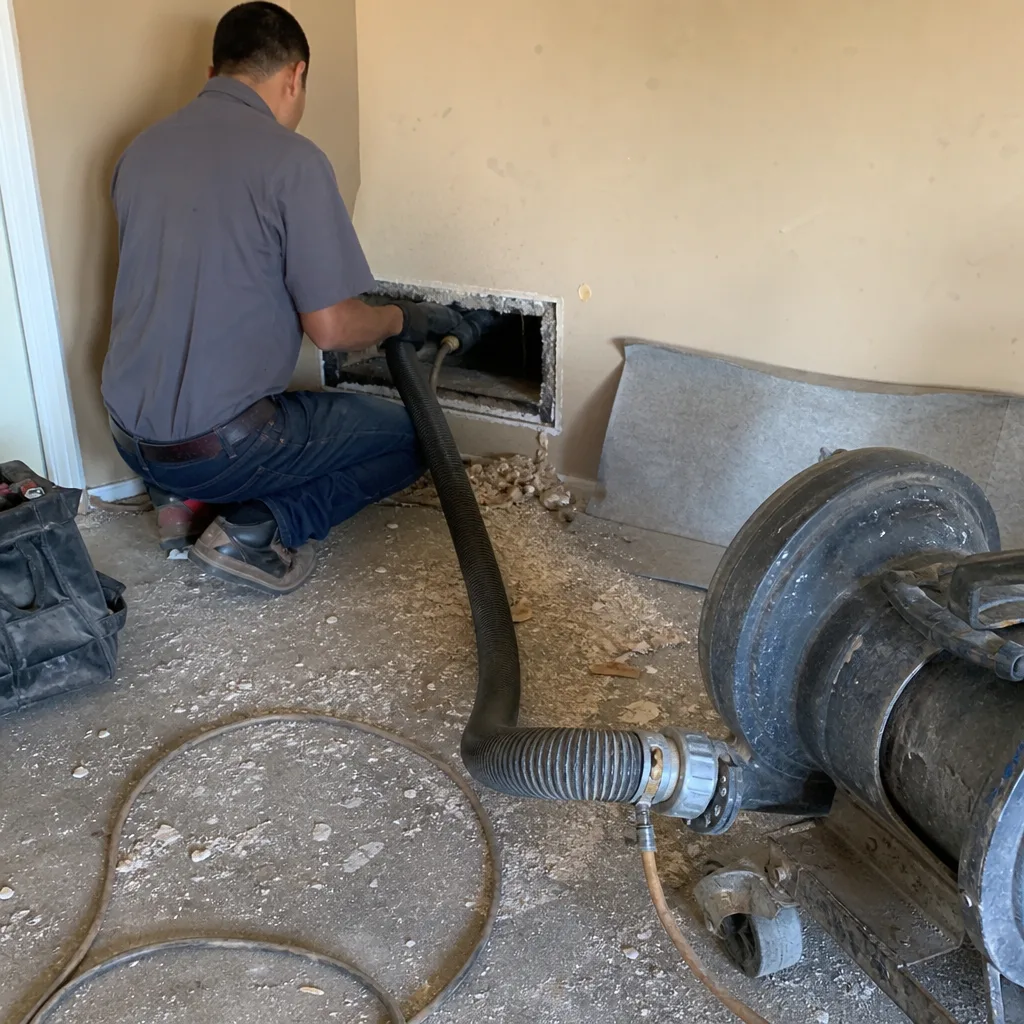 Before
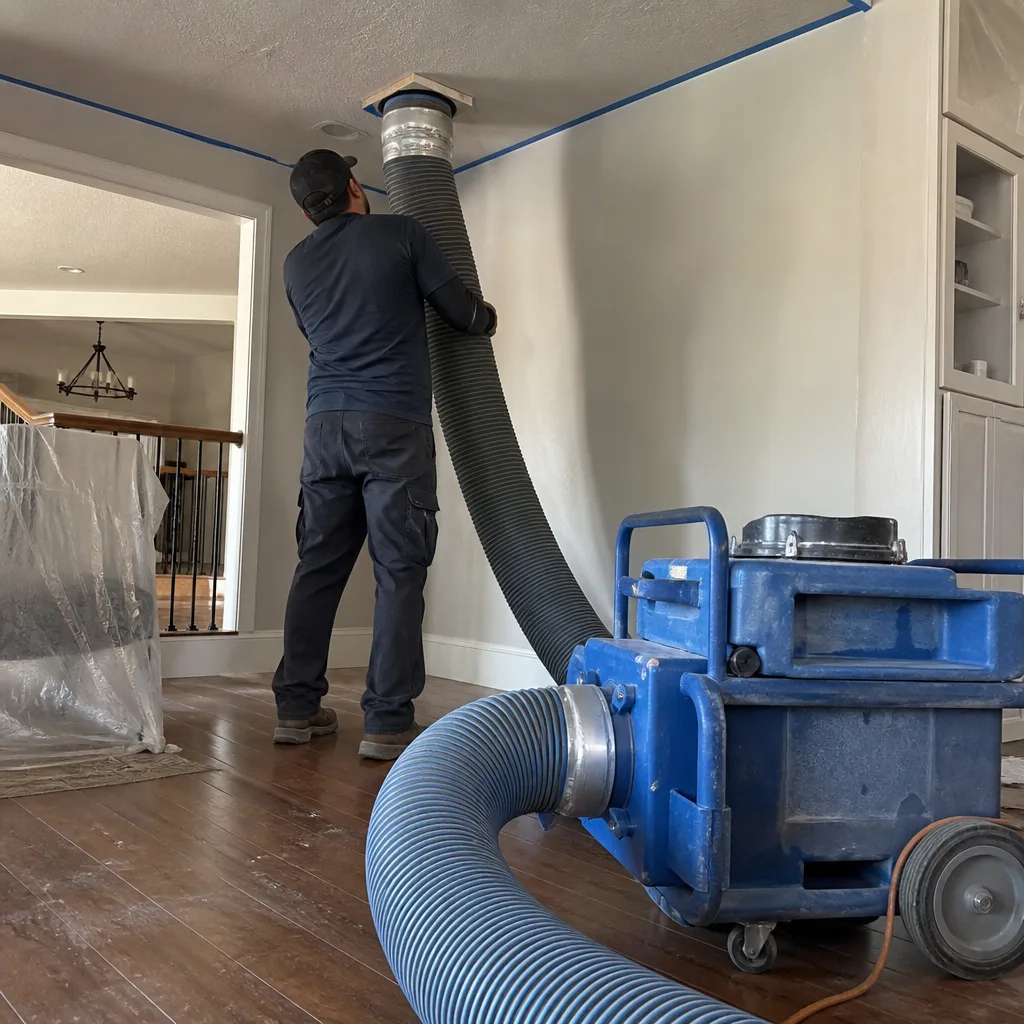 After
After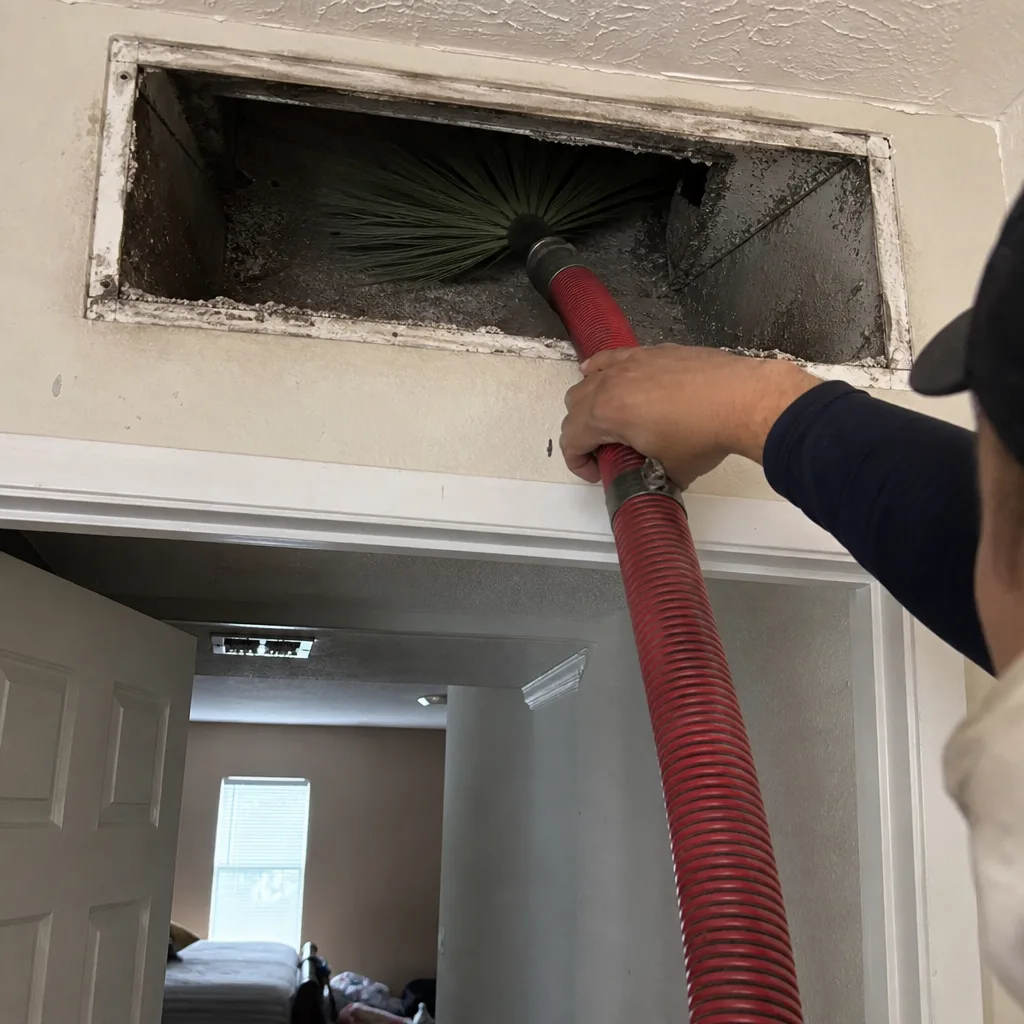 Before
 After
AfterDIY vs Professional Air Duct Cleaning: The Katy Homeowner’s Decision Guide
A Ridgid shop-vac produces roughly 55 CFM of suction. A truck-mounted negative-pressure system used in professional duct cleaning produces 2,000-4,000 CFM. That 36-to-1 airflow gap means your hardware-store vacuum can clean a register face and the first 18 inches of a duct run competently, but cannot move debris lodged at elbows, in the plenum, or past the first joint. In Katy, where Gulf Coast humidity keeps dust adhered to duct walls year-round, this distinction matters more than the $79 coupon crowd admits. This guide shows exactly which tasks you can handle with consumer tools, what professional Air Duct Cleaning equipment actually does differently, and how to decide based on documented numbers rather than marketing noise.
Quick Answer
DIY air duct cleaning in Katy is legitimate maintenance for register faces, return grilles, and filter swaps, but cannot replace professional cleaning of the full duct system. Professional service using truck-mounted negative-pressure extraction and rotary brush agitation costs $400-$900 for a typical Katy home and delivers documented results; DIY supplies run $80-$150 but achieve only surface-level debris removal. The right choice depends on whether your system needs maintenance between professional visits or a full cleaning that equipment you can buy at Home Depot simply cannot perform.
Table of Contents
- What DIY Can Actually Do: The Legitimate Scope
- The Equipment Reality: CFM, Agitation, and Containment
- When DIY Makes Sense in Katy
- When DIY Worsens the Problem
- Honest Cost Comparison: DIY vs. Professional
- What Professional Service Includes Beyond Suction
- Katy-Specific Factors: Climate, Construction, and Code
- Common Mistakes to Avoid
- When to Call a Professional
- Frequently Asked Questions
BeforeAfterWhat DIY Can Actually Do: The Legitimate Scope
We have photographed the inside of over 52,000 duct runs since 2013, and the pattern is consistent: homeowner maintenance has a valid place, but that place is narrower than YouTube suggests. Here is what you can do competently with hardware-store tools, and what each task actually achieves.
Register Face and Surround Cleaning
Remove the register (the vent cover) and wash it in warm water with dish soap. Vacuum the duct boot, the sheet-metal transition between your floor or wall and the duct run proper, using a brush attachment. This removes hair, dust bunnies, and surface debris that accumulate at the termination point. In our photo records, this zone typically holds 60-70% of visible debris accessible without equipment. Expect 20-30 minutes per register.
Tools needed: Shop-vac or household vacuum with brush attachment, screwdriver, microfiber cloth, mild soap.
Return Grille and Filter Housing
The return grille pulls air back to your HVAC unit and collects debris aggressively. Remove the grille, vacuum the back side and the filter track, and inspect the filter housing for gaps where unfiltered air bypasses the media. A 1-inch gap around a 16×25 filter lets roughly 15% of air bypass filtration entirely, based on static pressure calculations we have run on Katy systems.
Tools needed: Vacuum with crevice tool, flashlight, replacement filter (MERV 8-13 for Katy conditions; higher MERV restricts airflow on older systems).
Filter Replacement
The most impactful DIY task. A clogged 1-inch fiberglass filter increases system static pressure by 0.3-0.5 inches water column, forcing your blower motor to work harder and pulling more debris past the filter media. In Katy, where cooling runs eight months annually, we recommend inspection monthly and replacement every 60-90 days for standard pleated filters.
Visual Duct Boot Inspection
Shine a flashlight into the duct boot after removing the register. Look for:
- Standing water or rust streaks (indicates condensation issues, common in Katy’s humid shoulder seasons)
- Visible mold growth on boot walls (fuzzy or discolored patches, typically green, black, or white)
- Disconnected flex duct (the insulated flexible ducting has pulled away from the boot)
- Collapsed sections (flex duct crushed by storage or foot traffic in attics)
If you see any of these, stop. These conditions require professional assessment. We have documented cases in Cinco Ranch and Seven Meadows where homeowners pushed a shop-vac hose past a disconnected boot and compacted debris into the open cavity, blocking airflow entirely.
What DIY Cannot Do
Your shop-vac cannot:
- Generate sufficient airflow to move debris past the first elbow (static pressure loss exceeds suction capacity within 18-24 inches)
- Agitate adhered dust from duct walls (requires rotary brush contact, not air velocity alone)
- Maintain negative pressure containment (without sealing the system, vacuuming one register blows debris from others)
- Filter particles below 0.3 microns (standard shop-vac filters exhaust fine dust back into the home)
- Access the plenum, coil cabinet, or main trunk lines without cutting access panels
These limitations are physical, not skill-based. No technique overcomes a 36-to-1 airflow deficit.
The Equipment Reality: CFM, Agitation, and Containment
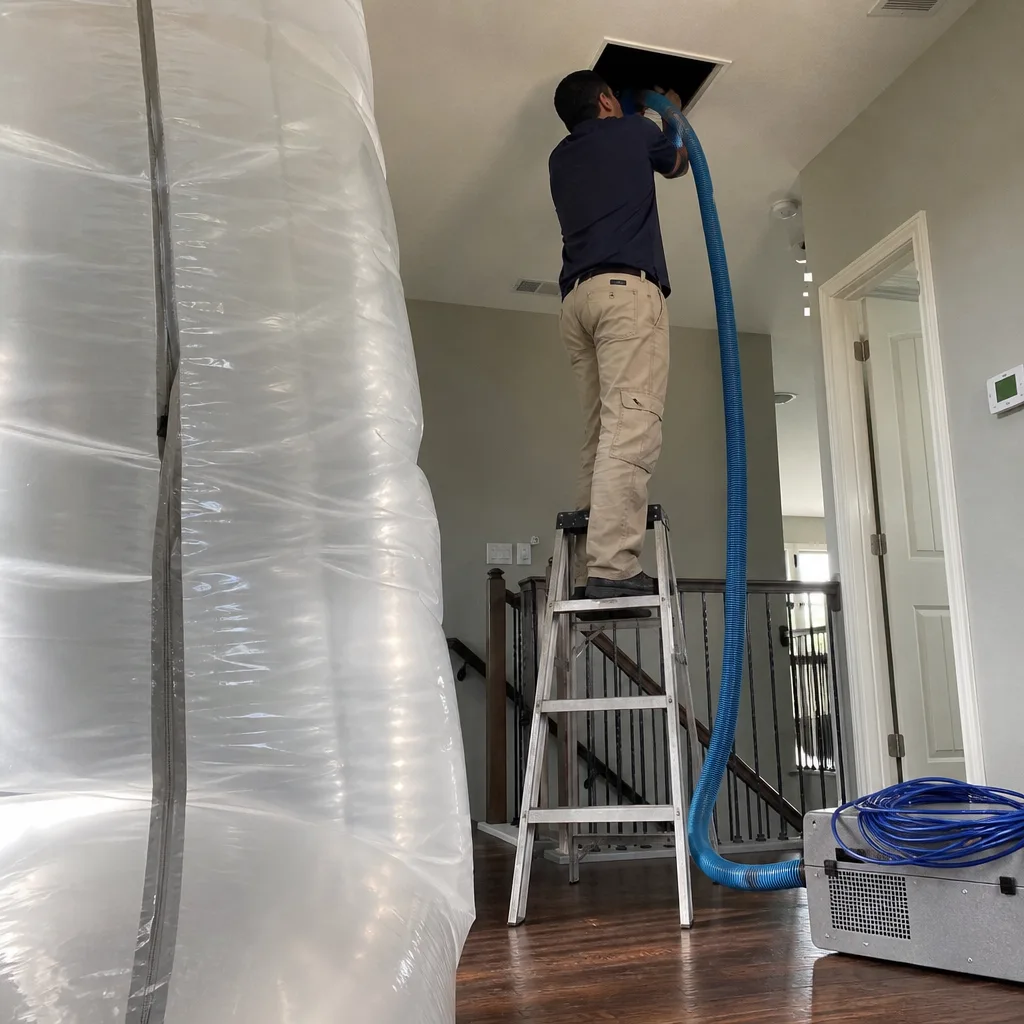
The duct cleaning industry has two tiers of equipment: portable units that technicians wheel into your home, and truck-mounted systems that draw power from the vehicle engine. Understanding the specifications explains why results differ.
Airflow: The CFM Gap
CFM, or cubic feet per minute, measures air volume moved. Here is the comparison:
| Equipment Type | Typical CFM | Source |
|---|---|---|
| Consumer shop-vac (Ridgid, Craftsman) | 50-80 CFM | Manufacturer specifications |
| Consumer wet/dry vac (high-end) | 100-150 CFM | Manufacturer specifications |
| Portable HEPA vacuum (Nikro, Abatement Technologies) | 200-400 CFM | Trade equipment specs |
| Truck-mounted negative-pressure system | 2,000-4,000 CFM | Rotobrush, Nikro truck-mount specifications |
The physics are straightforward: debris in a duct run experiences static pressure from the HVAC system, friction against duct walls, and in Katy’s climate, humidity adhesion that binds dust to metal. Moving that debris requires air velocity sufficient to overcome all three forces. At 55 CFM, your shop-vac manages the first 18 inches where static pressure is lowest. At 3,000 CFM, a truck-mounted system creates negative pressure throughout the entire duct system, pulling debris from trunk lines 40 feet from the vacuum connection point.
Agitation: Why Airflow Alone Fails
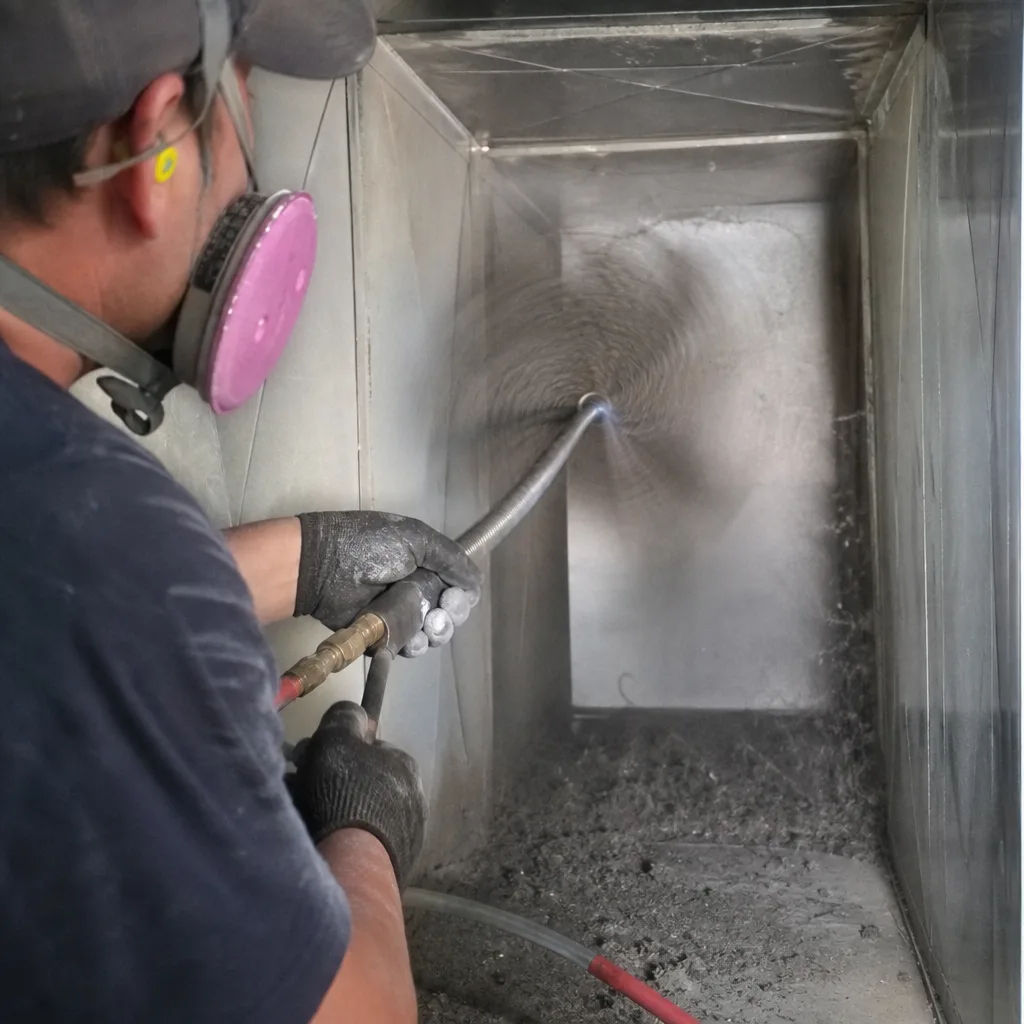
Dust that has sat in a duct for three years is not loose. It has compacted under airflow, absorbed humidity, and bonded with cooking oils and skin cells that passed through as vapor. Professional equipment addresses this with rotary brush agitation, devices like the Rotobrush system that feed a spinning brush through the duct run on a flexible cable. The brush contacts duct walls directly, breaking the bond between debris and surface, while simultaneous vacuum extraction removes the dislodged material.
Without agitation, vacuuming redistributes surface debris and compacts what remains. We have photographed this repeatedly: the “after” shot from a homeowner’s DIY attempt shows cleaner register faces and denser debris deposits two feet inside the duct, where the vacuum hose could not reach and the airflow could not move.
Containment: The Recirculation Problem
Standard shop-vac filters capture particles down to roughly 5 microns. Fine dust, pollen, and mold spores range from 0.3 to 10 microns. Without HEPA filtration (99.97% efficiency at 0.3 microns, per manufacturer specifications for equipment like Abatement Technologies portable HEPA systems), vacuuming your registers blows the smallest, most respirable particles back into your living space through the vacuum exhaust.
Professional systems using Nikro or Abatement Technologies equipment either exhaust outside the home (truck-mounted) or through certified HEPA filtration (portable units). This is not a minor detail: in a sealed Katy home running air conditioning, recirculated particles can cycle through your HVAC system 5-7 times daily.
Access and Sealing
Professional duct cleaning requires access points, typically 1-inch holes cut into trunk lines and sealed with metal plugs after service. These access points allow the vacuum to connect at strategic locations and the rotary brush to navigate the full system. Cutting these without understanding duct layout risks puncturing flex duct, creating leaks that increase your energy bills and degrade system performance. We have repaired DIY access attempts in Grand Lakes and Firethorne where homeowners cut into return plenums thinking they were supply lines, creating pressure imbalances that caused rooms to go unconditioned.
When DIY Makes Sense in Katy
There are legitimate scenarios where professional service is unnecessary and homeowner maintenance suffices.
Scenario One: Recently Professionally Cleaned System
If your ducts were professionally cleaned within 18-24 months and you have no complicating factors (renovation, water damage, pest intrusion), DIY register cleaning and filter maintenance keeps the system in acceptable condition. The debris layer in a recently cleaned system is surface accumulation, not years of compacted buildup. We tell customers in Katy Mills and Pine Mill Ranch who used our service 18 months prior: maintain registers quarterly, replace filters on schedule, and schedule professional service at the 3-year mark unless something changes. For timing tips, see our Seasonal Air Duct Cleaning Care for Katy: Year-Round Homeowner’s Guide.
Scenario Two: Low-Contaminant-Load Home
A home with no pets, non-smoking occupants, hard flooring throughout, and no recent renovation generates minimal duct debris. In these conditions, the primary contaminant is skin cells and textile fibers, which accumulate slowly. Annual DIY register cleaning and diligent filter replacement may extend professional cleaning intervals to 4-5 years without significant performance impact. We have documented this in several Katy senior-living communities where our photo records showed minimal debris at 4-year intervals.
Scenario Three: New Construction Within 3 Years
Post-construction duct cleaning is essential: drywall dust, wood particles, and trade debris accumulate aggressively during building. But a home built in 2022 or 2023 in one of Katy’s newer developments, properly cleaned after construction and maintained since, typically shows minimal debris accumulation. DIY maintenance is appropriate here if the initial post-construction cleaning was thorough and documented.
The Maintenance Mindset
Frame DIY correctly: it is maintenance between professional services, not a replacement for them. You do not replace oil changes with topping off the dipstick. Register cleaning, filter swaps, and visual inspections extend the effective life of a professional cleaning but do not achieve equivalent results.
When DIY Worsens the Problem
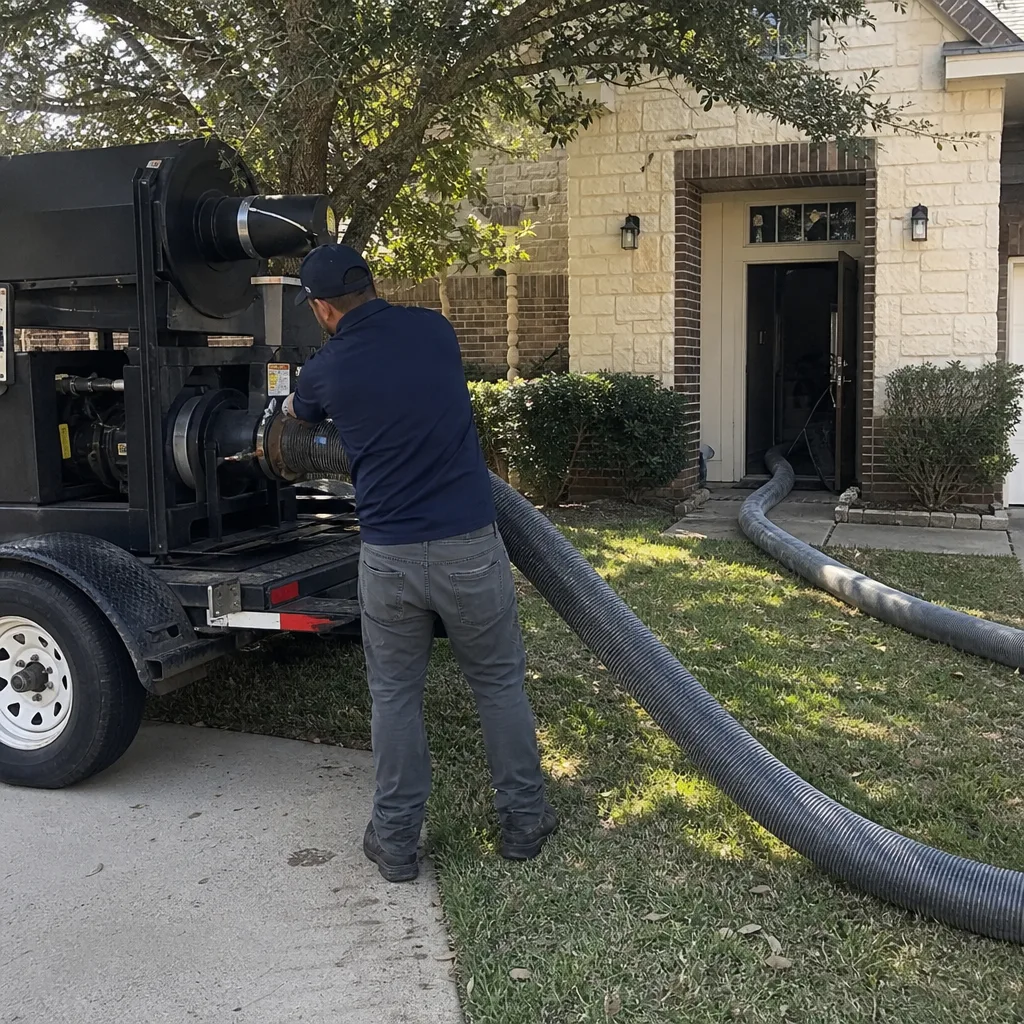
There are conditions where amateur intervention actively damages the system or occupant health. We have documented each of these in Katy homes.
Microbial Growth (Mold)
Disturbing mold colonies without containment releases spores into the home at concentrations far above background levels. A shop-vac with standard filtration becomes a spore dispersal device, blowing viable mold through its exhaust into living spaces. In Katy, where outdoor humidity averages 75% in summer and air conditioning creates cold surfaces inside ducts, mold growth occurs in roughly 15% of homes over 10 years old, concentrated at the evaporator coil and in unconditioned attic spaces where flex duct passes through.
If you see discoloration, smell mustiness near registers, or have had water intrusion, do not vacuum the area. Professional remediation using containment barriers, negative-pressure HEPA equipment, and antimicrobial treatment is required. CleanRun’s photo records include pre-treatment and post-treatment documentation of microbial conditions under Haven Standard Clause 2: Documented Scope.
Post-Renovation Debris
Construction dust is not household dust. It contains silica from drywall compound, wood preservatives, insulation fragments, and volatile organic compounds from adhesives and sealants. These materials are abrasive to blower motors, chemically reactive with moisture, and respirable at particle sizes that penetrate deep into lung tissue. A shop-vac will move this debris around your home without removing it from the system. Professional post-renovation cleaning uses sequenced agitation and extraction, with specific attention to the plenum and coil cabinet where the finest particles settle.
In Katy neighborhoods like Cane Island and Elyson, where new construction and renovation are ongoing, we have found 2-4 inches of construction debris in return plenums after DIY attempts that the homeowner believed were successful because registers looked clean.
Damaged Duct Liner
Fibrous duct liner, the insulation bonded to the interior of metal ducts in some older systems, degrades over time. Vacuuming dislodges liner fibers, which then circulate through the home. More critically, the vacuum hose can tear liner away from duct walls, creating obstructions and exposing bare metal that sweats condensation in Katy’s humidity. We have replaced entire duct sections in homes near Mason Road where DIY cleaning destroyed liner integrity that professional equipment would have preserved through controlled, low-RPM agitation.
Asbestos and Vermiculite
Homes built before 1985 in Katy, particularly in the older sections near downtown, may have asbestos-containing duct tape or vermiculite insulation in attics. Disturbing these materials without abatement certification is illegal under Texas Department of State Health Services regulations and hazardous to health. If your home predates 1985, professional assessment precedes any duct intervention.
Honest Cost Comparison: DIY vs. Professional
Cost decisions require honest accounting of what each approach achieves, not just sticker price.
DIY Supply Costs
| Item | Cost | What It Actually Does |
|---|---|---|
| Shop-vac (6-16 gallon) | $80-$150 | Cleans register faces, boot interiors to 18 inches |
| Brush attachments, extension wands | $25-$40 | Extends reach slightly; still limited by CFM |
| HEPA filter upgrade for shop-vac | $30-$50 | Improves exhaust filtration; still not true HEPA performance |
| Register removal tools, screwdrivers | $15-$25 | Basic mechanical access |
| Replacement filters (annual) | $60-$120 | Maintains system between cleanings |
| First-year total | $210-$385 | Surface maintenance only |
Professional Service Costs in Katy
Based on our written quotes delivered under Haven Standard Clause 1, typical pricing for a Katy home:
| Home Size / System | Price Range | What Is Included |
|---|---|---|
| Small home (1,200-1,800 sq ft), single system | $400-$550 | Full duct system, plenum, registers, photo record |
| Medium home (1,800-2,800 sq ft), single system | $550-$750 | Full duct system, plenum, registers, photo record |
| Large home (2,800-4,000 sq ft), dual system | $750-$900 | Both systems complete, photo record for all runs |
| Dryer vent cleaning (add-on or standalone) | $150-$250 | Full vent run to exterior, airflow test |
These are whole-system prices, agreed in writing before work starts, with no per-vent add-ons or trip charges.
The Honest Math
A homeowner who buys a shop-vac and supplies for $300, spends a Saturday cleaning registers, and believes the job complete has spent $300 and 6-8 hours for cleaner register faces. The debris in trunk lines, plenum, and distant branches remains. Professional service at $550 removes debris from the entire system, documents the result with before-and-after photos of every run, and includes the 365-Day Done Right Promise.
Over a 5-year horizon: DIY maintenance ($300 initial + $120 annual filters = $780) plus one professional cleaning ($550) totals $1,330. DIY-only maintenance ($780) leaves the system partially cleaned throughout. Professional cleaning every 3 years ($1,100) with DIY filter maintenance ($360) totals $1,460 for documented, complete cleaning on a documented schedule.
The difference is not dramatic in dollars. It is dramatic in what you receive: a documented record versus an assumption.
What Professional Service Includes Beyond Suction
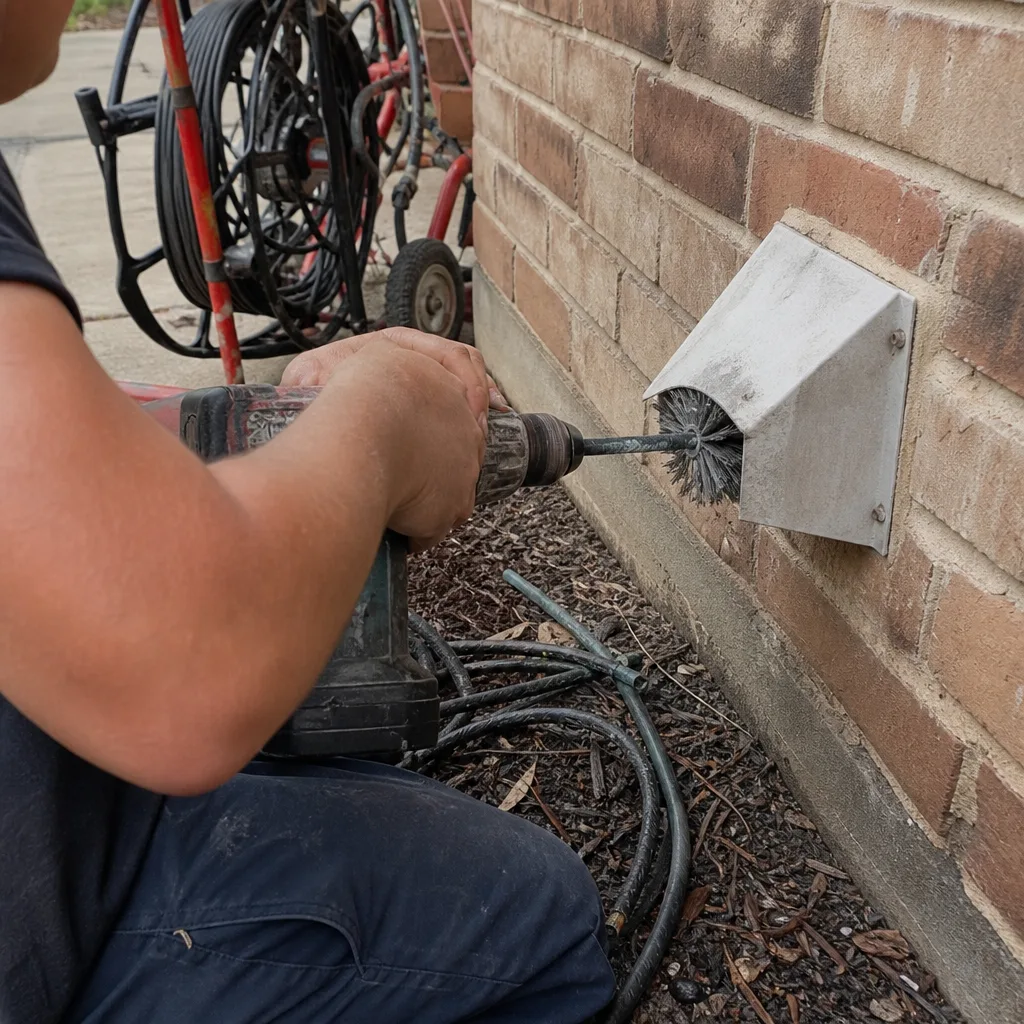
Professional duct cleaning is a sequence of procedures, not a vacuuming event. Explore more guides & resources on proper HVAC maintenance. Here is what occurs on a standard CleanRun visit to a Katy home, in order, with equipment specified.
Pre-Inspection and Photo Documentation
The technician photographs the interior of every accessible duct run before touching equipment. This establishes baseline condition and identifies problem areas: collapsed flex, standing water, disconnected boots, or microbial growth. The customer receives these photos as part of the standard job record.
System Protection and Access
Registers are removed and protected. Access points are cut in trunk lines using protocols that preserve duct integrity, then sealed with metal plugs after service. The HVAC system is isolated to prevent debris migration into the coil cabinet or blower motor.
Negative-Pressure Extraction
A truck-mounted or portable negative-pressure system (Nikro, Abatement Technologies, or equivalent) connects to the duct system. This creates suction throughout all branches simultaneously, not just at the vacuum connection point. The system runs continuously during agitation, capturing dislodged debris before it can settle elsewhere.
Rotary Brush Agitation
A Rotobrush or equivalent device feeds a powered brush through each duct run on a flexible cable. The brush rotates at controlled RPM to contact duct walls without damaging liner or flex duct. Simultaneous vacuum extraction removes debris at the point of dislodgement. In metal duct with no liner, higher-RPM stainless brushes may be used; in flex duct, softer poly brushes at reduced speed prevent puncture.
Component Cleaning
The plenum (the central distribution box), coil cabinet, and blower assembly are cleaned using appropriate methods for each component. The evaporator coil in particular requires careful handling: fin damage from aggressive cleaning reduces heat transfer efficiency and raises energy costs. We use low-pressure, non-acidic cleaners on coils, with airflow verification after service.
HEPA Filtration and Exhaust
All exhaust air passes through HEPA filtration rated at 99.97% efficiency at 0.3 microns, or is vented outside the home via truck-mounted systems. This prevents the recirculation problem inherent in consumer equipment.
Post-Cleaning Verification and Photo Record
Every duct run is photographed after cleaning. The customer receives a complete photo record showing the condition of each run before and after. Airflow measurements at registers verify restored performance. The written scope, pricing, and 365-Day Done Right Promise are delivered as a single document.
This sequence cannot be replicated with hardware-store equipment. The tools are available for purchase, truck-mounted systems included, but a Rotobrush unit costs approximately $8,000-$15,000, a truck-mounted vacuum system $20,000-$40,000, and HEPA filtration units $3,000-$6,000. Training in duct system design, pressure balancing, and component protection adds further investment. The economics favor hiring for homeowners who need service less than weekly.
Katy-Specific Factors: Climate, Construction, and Code
Katy conditions create specific duct cleaning considerations that generic guides ignore.
Humidity and Microbial Risk
Katy averages 75% relative humidity in summer months, with dew points that keep evaporator coils wet for extended periods. This moisture migrates into ductwork, particularly in homes where the blower shuts off with the compressor (standard single-stage thermostat behavior). We photograph microbial growth in roughly 15% of Katy homes over 10 years old, concentrated at the coil plenum and in attic flex duct where insulation gaps allow condensation on cold duct surfaces. DIY vacuuming of visible mold is hazardous; professional assessment with documented remediation scope is required.
New Construction Debris
Katy’s growth since 2015 has produced thousands of homes with post-construction debris still in ducts. Builders’ “final cleans” rarely address duct interiors. In communities like Cane Island, Elyson, and Tamarron, we regularly find drywall dust 1-2 inches deep in return plenums, wood framing fragments in trunk lines, and insulation scraps blocking flex duct in attic spaces. This debris is abrasive to blower motors and chemically reactive with humidity. Professional post-construction cleaning, documented with photo records, is essential before occupancy or within the first year.
Hard Water and Coil Scaling
Katy water supply, sourced from surface water and local wells in some districts, runs moderately hard (80-120 ppm calcium carbonate in most test data). This mineral content deposits on evaporator coils over time, reducing heat transfer and creating nucleation sites for microbial growth. Coil cleaning is part of professional HVAC maintenance but separate from duct cleaning; we note coil condition in our photo records and recommend HVAC cleaning in Katy when scaling is significant.
Wind-Borne Pollen and Outdoor Debris
Katy’s location on the Gulf Coast prairie exposes homes to high pollen loads, particularly oak and ragweed seasons. Homes with fresh air intakes or poorly sealed return ductwork in attics draw this debris directly into the system. We have found pollen accumulation 3-4 inches deep in return plenums of homes near Katy Mills and Grand Parkway, particularly where attic flex duct has separated at joints. Professional cleaning with HEPA containment prevents redistribution of this allergen load during service.
Permit and Code Context
Texas does not require a specific license for duct cleaning, but HVAC contractors must hold a TDLR (Texas Department of Licensing and Regulation) license. CleanRun operates under appropriate licensing with license number published on every proposal. Homeowners should verify any contractor’s license status through TDLR’s online lookup; unlicensed operators cannot pull permits for duct modifications if repairs are needed.
Common Mistakes to Avoid
- Assuming register cleanliness indicates duct cleanliness. Registers are the visible 5% of the system. We have photographed pristine register faces with 4 inches of debris in the trunk line 3 feet away. The eye cannot judge what the camera reveals.
- Using compressed air without containment. Blowing debris with a leaf blower or compressed air line redistributes contamination throughout the home and into the HVAC cabinet. Negative-pressure containment is required for any air-based cleaning; without it, you are aerosolizing debris, not removing it.
- Neglecting the return side. The return ductwork pulls air from your home and is typically dirtier than supply lines. DIY efforts focus on supply registers because they are accessible; returns often require attic access and professional equipment to clean properly.
- Ignoring flex duct damage. Katy attics reach 140°F in summer, degrading flex duct adhesive over time. A vacuum hose snagged on deteriorated flex can pull ductwork apart, creating leaks that cost more in energy waste than professional cleaning would have cost. We have repaired this damage in homes near Mason Road and Franz Road.
- Cleaning around microbial growth. Disturbing mold without containment and antimicrobial treatment releases spores at concentrations that can trigger respiratory symptoms. If you see or smell mold, stop and call for professional assessment.
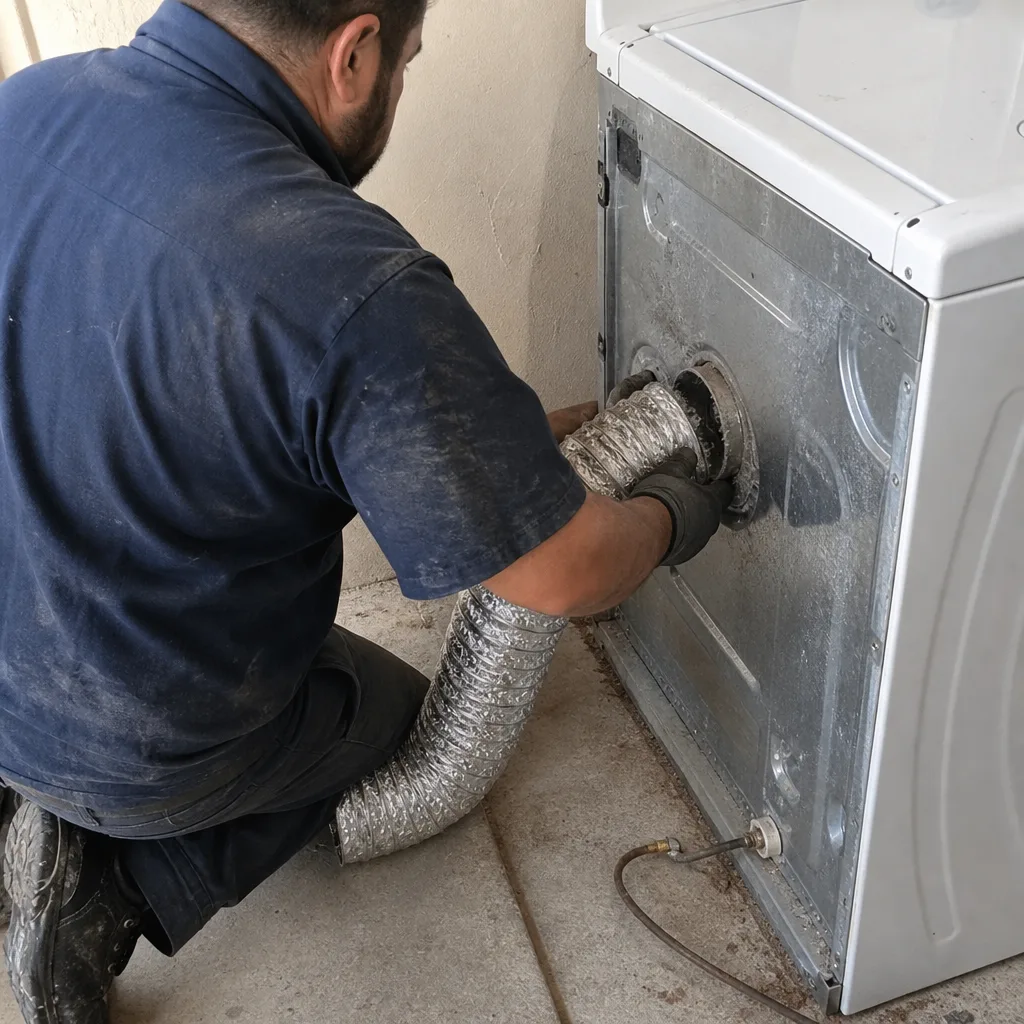
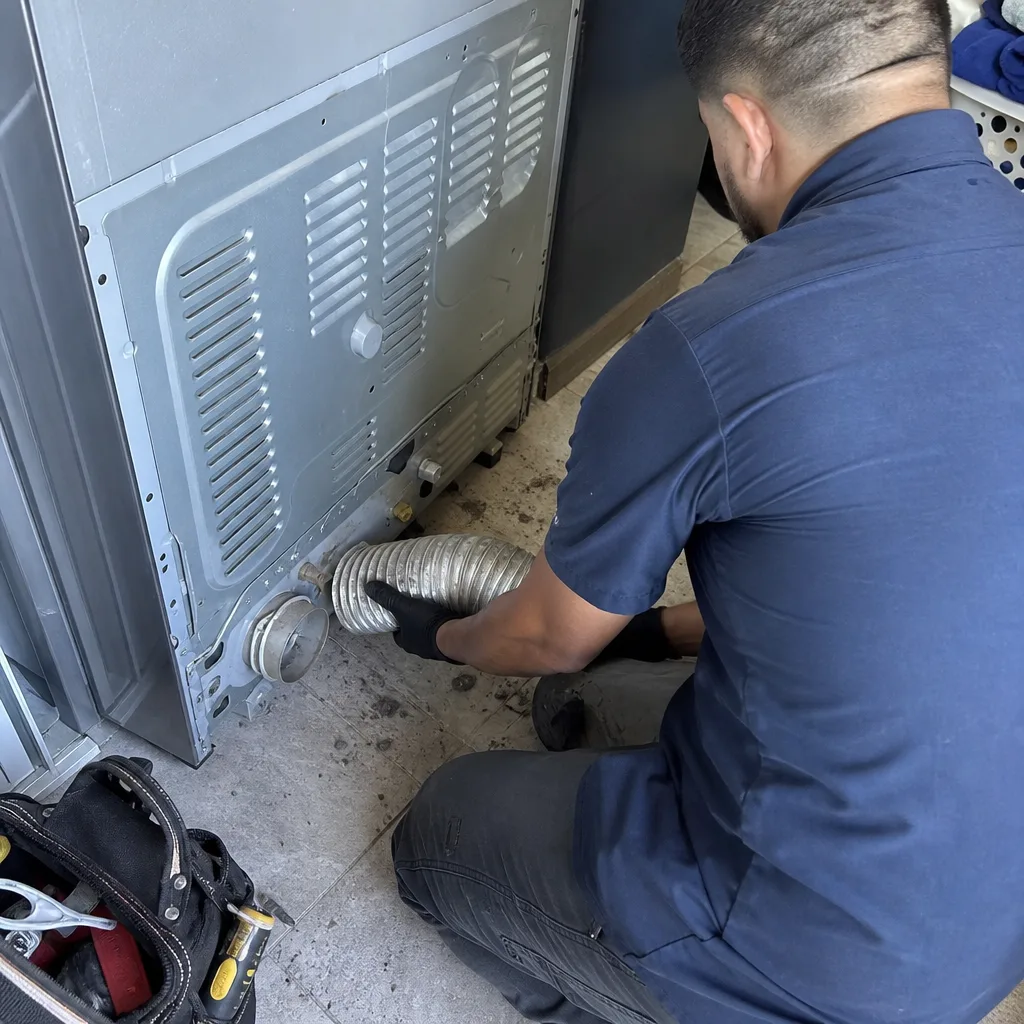
- Expecting a shop-vac to clean a dryer vent. Dryer vents accumulate lint in compressed layers that require rotary auger agitation to remove. A shop-vac will clear loose surface lint but leave the fire-hazard compaction in place. Dryer vent cleaning in Katy requires specific equipment and airflow verification; we include this as a standalone service or add-on.
- Accepting “clean enough” without documentation. The duct cleaning industry runs on trust because the customer cannot see the work area. Photo records change this dynamic. Any contractor who will not show you before-and-after photos of your specific ducts is asking for trust they have not earned.
When to Call a Professional
Call a professional when: you see mold or smell mustiness; your home was built or renovated within 3 years; you have pets and have never had professional cleaning; your energy bills have risen without explanation; rooms are unevenly heated or cooled; or you have completed DIY maintenance and want documented verification of system condition.
CleanRun Air Duct Cleaning Katy offers free estimates in Katy. We deliver a written price before any work starts, every time, under Haven Standard Clause 1. Every job includes a Documented Photo Record of every duct run, before and after, and is backed by the 365-Day Done Right Promise. Our technicians are background-checked, uniformed, and identified by name before arrival, operating under Haven Standard Clause 3: Verified Crews. Call (346) 666-7165 to schedule.
Frequently Asked Questions
Professional air duct cleaning in Katy typically costs $400-$900 for a complete residential system, depending on home size and HVAC configuration. A 1,200-1,800 square foot home with a single system generally falls at $400-$550; larger homes with dual systems range $750-$900. CleanRun delivers this as a written price before any work starts, with no per-vent add-ons or trip charges. Call (346) 666-7165 for an exact quote on your home; estimates are free.
Low quotes typically reflect limited scope or bait-and-switch pricing. A $79 coupon covers register vacuuming and perhaps a single trunk line, not the complete system. Per-vent pricing lets the invoice grow after arrival. CleanRun quotes one flat price per system, agreed in writing before work starts, based on complete cleaning of all duct runs, plenum, and registers with photo documentation. The price does not change after the technician enters your home.
Demand a documented photo record showing the inside of every duct run before and after cleaning. CleanRun includes this as standard on every job, delivered to the customer as part of the job record. If a contractor cannot show you photos of your specific ducts, you cannot verify the work occurred. Written scope, written price, and photographic evidence are the three pillars of accountability.
For typical Katy homes with pets, standard occupancy, and no recent renovation, every 3-4 years is appropriate. Homes with multiple pets, recent construction, or occupants with respiratory sensitivities may need service every 2 years. New construction should receive initial professional cleaning before occupancy or within the first year. DIY register maintenance and filter replacement extend these intervals but do not replace professional cleaning.
You can clean register faces, duct boots to approximately 18 inches, and return grilles with a shop-vac. You cannot clean trunk lines, plenums, or distant branches because consumer vacuum airflow (50-80 CFM) is insufficient to overcome static pressure and move debris past the first elbow. Frame DIY as maintenance between professional services, not a replacement for them.
Moderately. A clean system reduces static pressure, allowing the blower motor to move design airflow with less energy. The primary benefit is indoor air quality: reduced circulating debris, lower allergen load, and documented removal of construction or renovation contaminants. Energy savings of 5-15% are possible in heavily contaminated systems, but air quality improvement is the measurable, documented outcome.
CleanRun uses professional-grade equipment from trade-recognized manufacturers including Rotobrush for rotary brush agitation, Nikro and Abatement Technologies for negative-pressure extraction and HEPA filtration, and Honeywell and Aprilaire for air quality components. Equipment is specified in the written scope for every job, and customers can verify manufacturer specifications independently. We do not use shop-vacs or consumer-grade equipment on professional jobs.
The Bottom Line
The DIY versus professional framing misleads homeowners into an either-or choice that does not exist. The real question is which tasks your tools can perform and which require equipment that costs more to own than to hire. A shop-vac maintains register faces competently. It cannot clean a duct system. Professional service with truck-mounted negative-pressure extraction, rotary brush agitation, and HEPA containment delivers documented results that consumer equipment cannot approach. In Katy, where humidity, new construction, and Gulf Coast pollen create specific duct conditions, the distinction matters for both system performance and indoor air quality. Maintain what you can maintain. Hire documented professionals for what you cannot. And never accept a duct cleaning without written price, written scope, and photographic proof.
Written by Tomas Reyes, Owner at CleanRun Air Duct Cleaning Katy, serving Katy since 2013.