
Last updated September 23, 2026
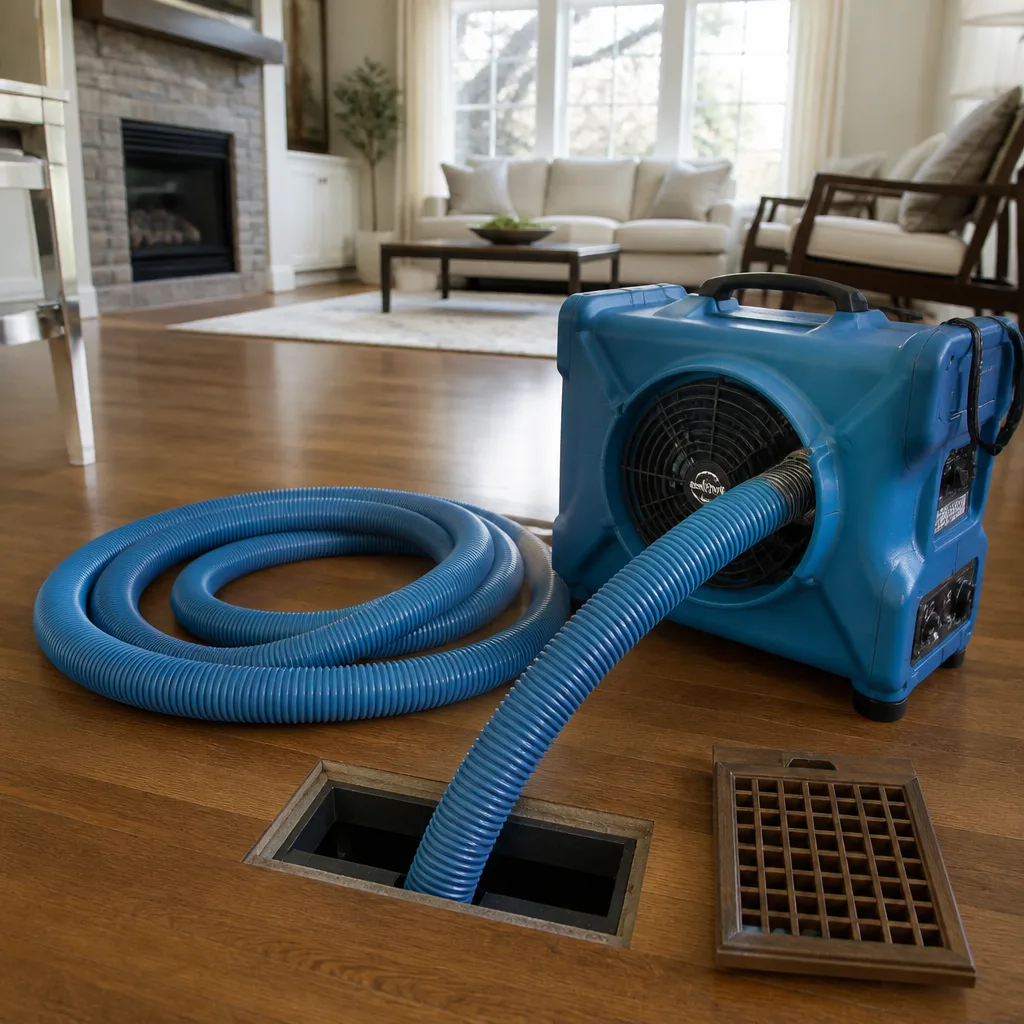
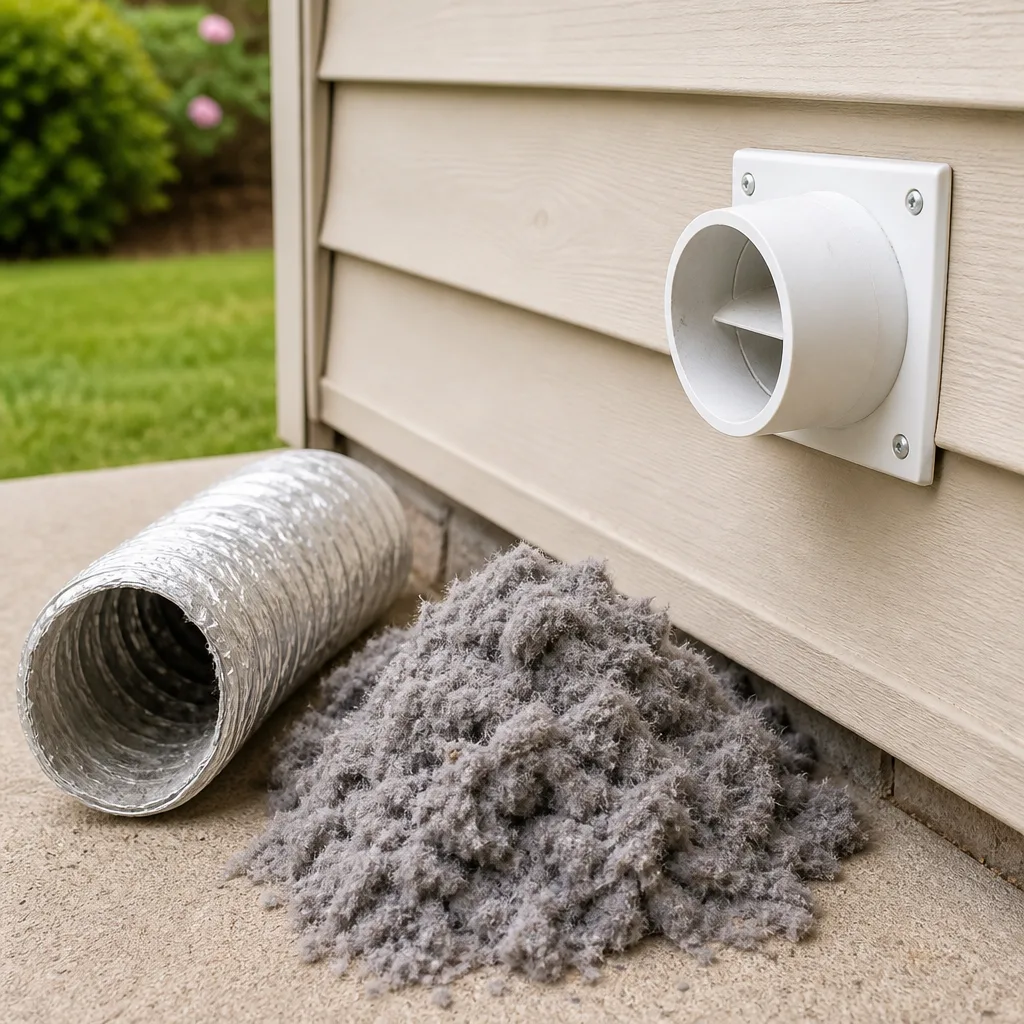
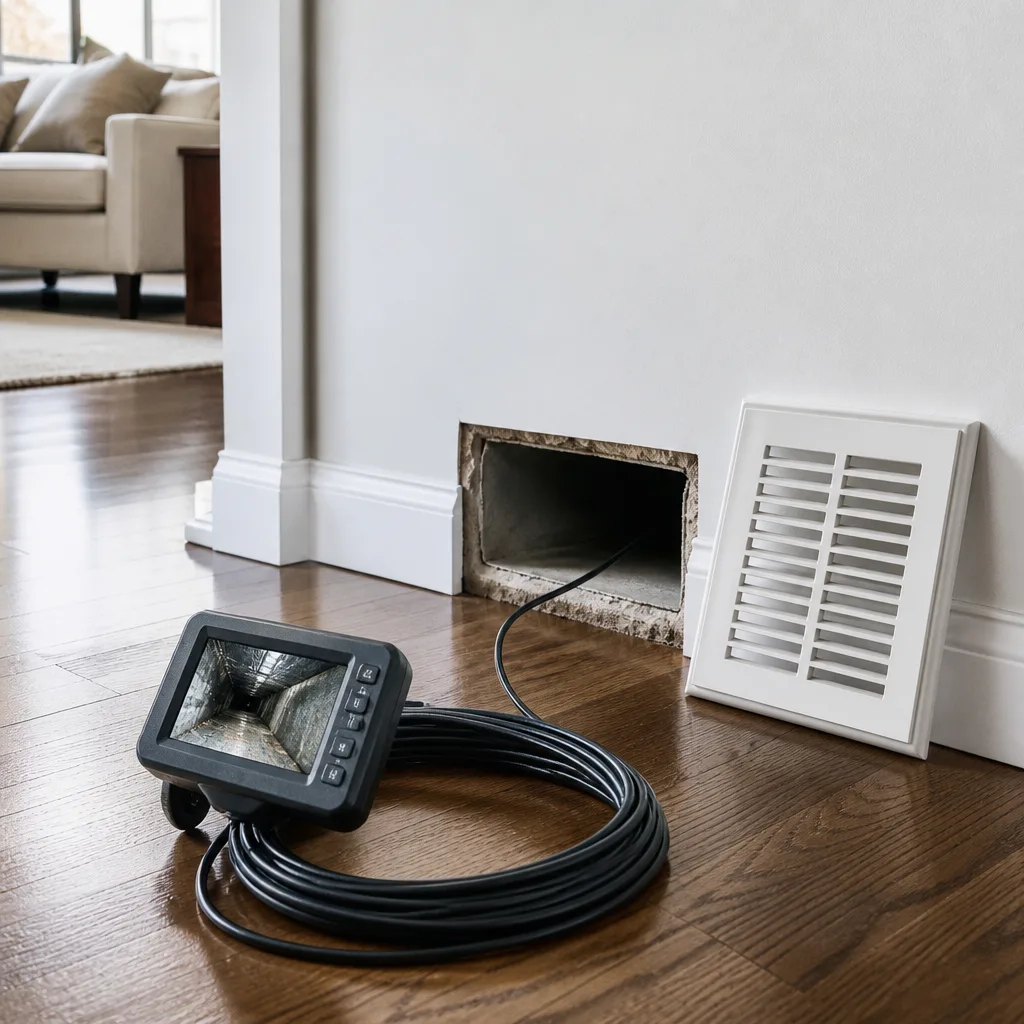
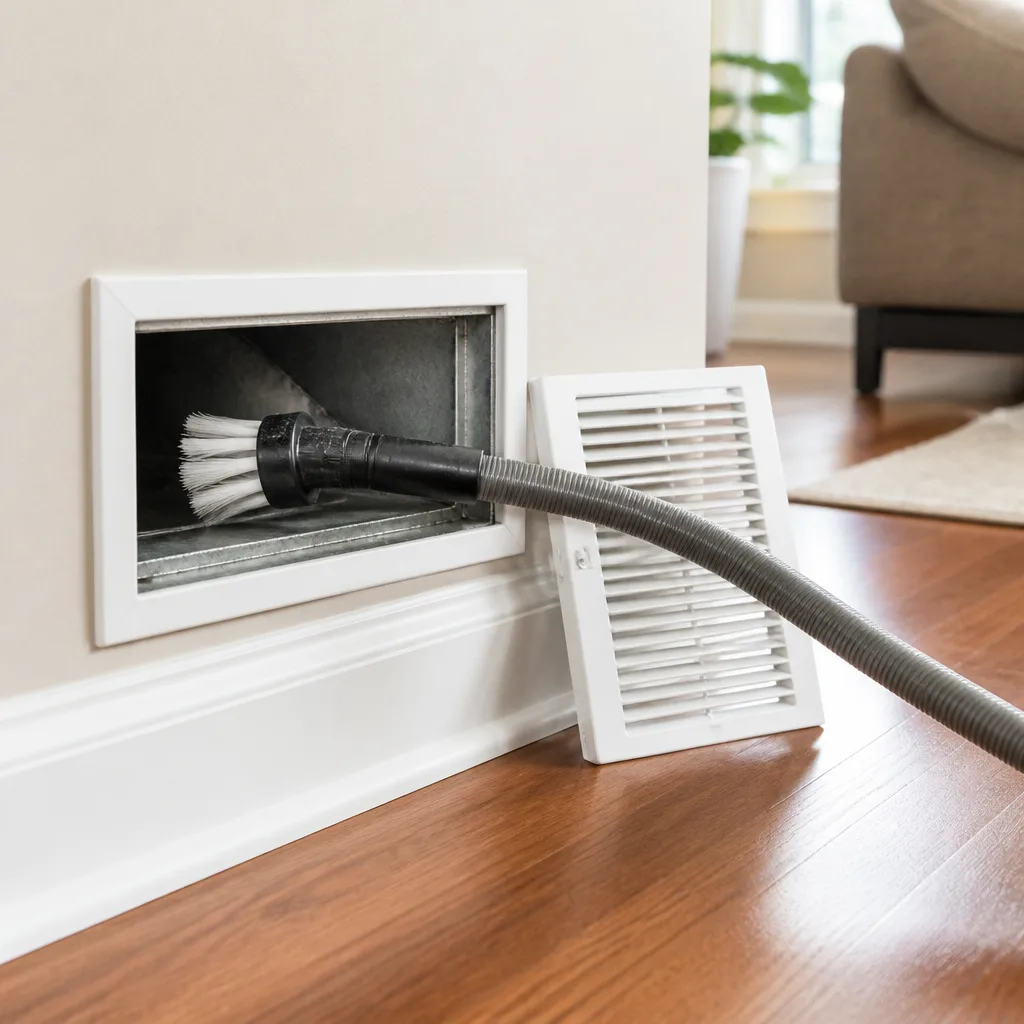
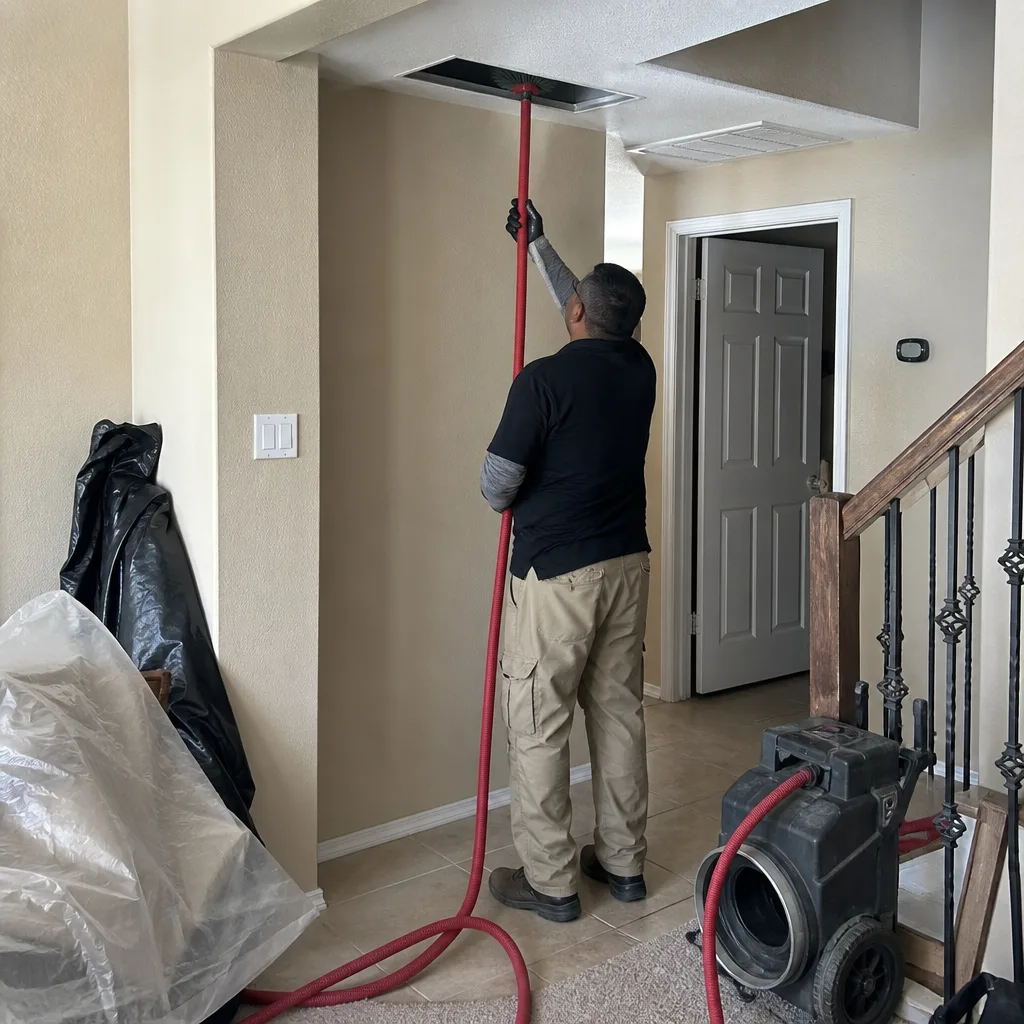
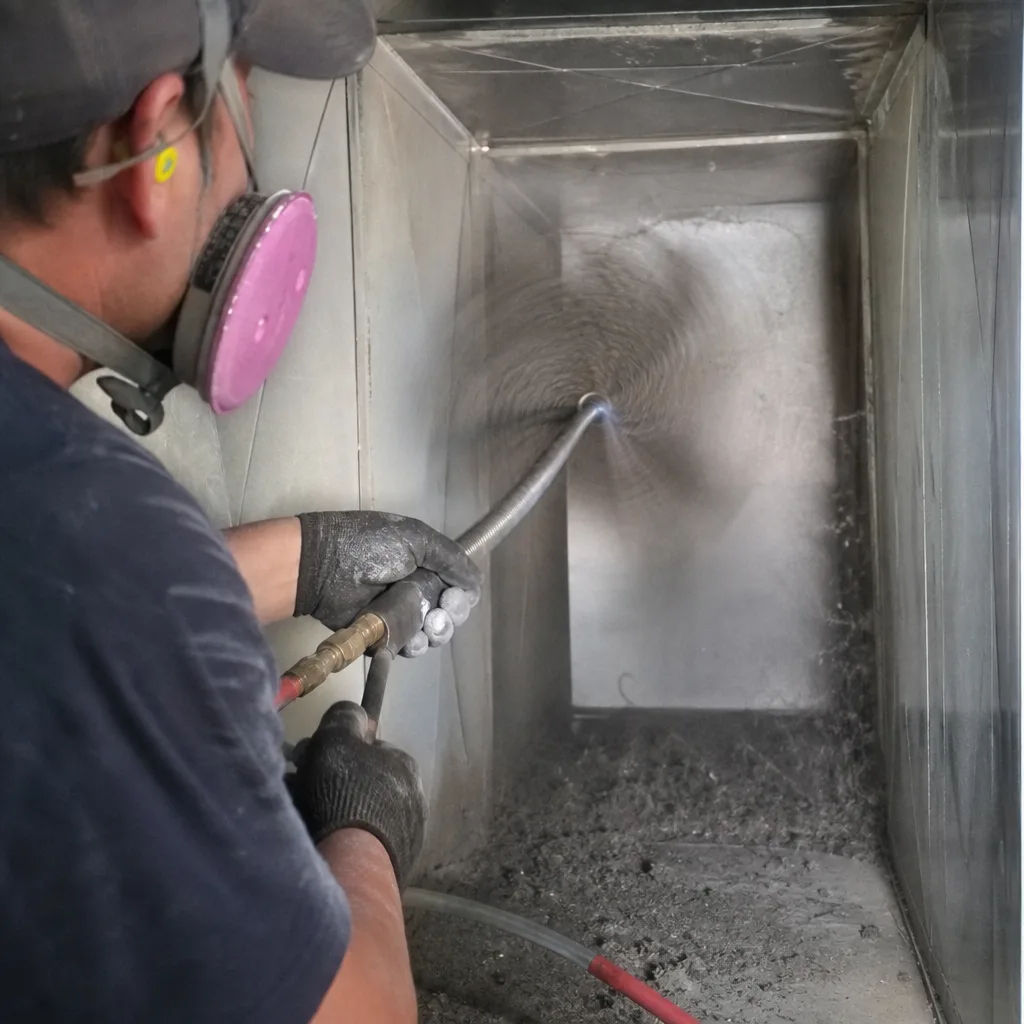
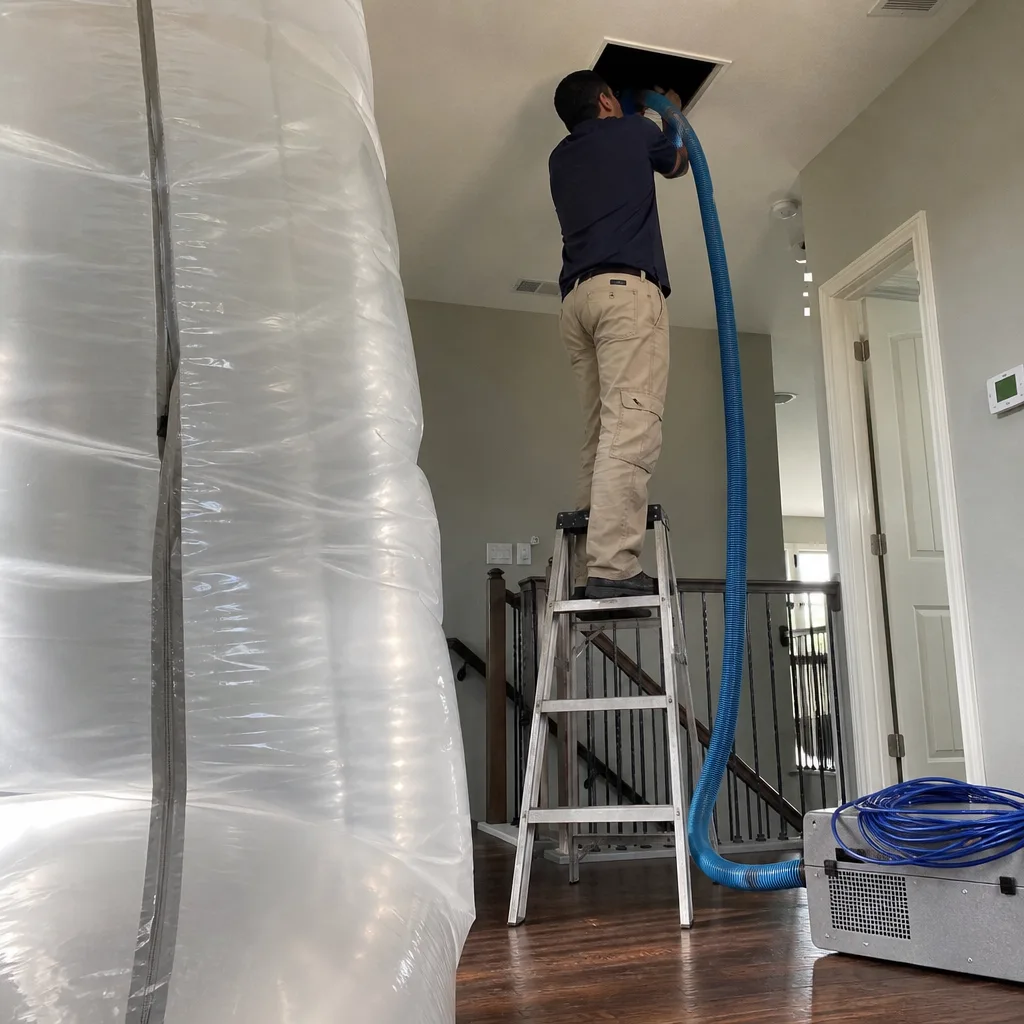
Whole-system duct and dryer vent check with before-and-after photos - you see exactly what came out of your vents
That "$99 whole-house special" is a bait ad - the real number appears once they are in your hallway, or the "clean" is a shop-vac at the register. We photograph the inside of your ducts before and after instead.
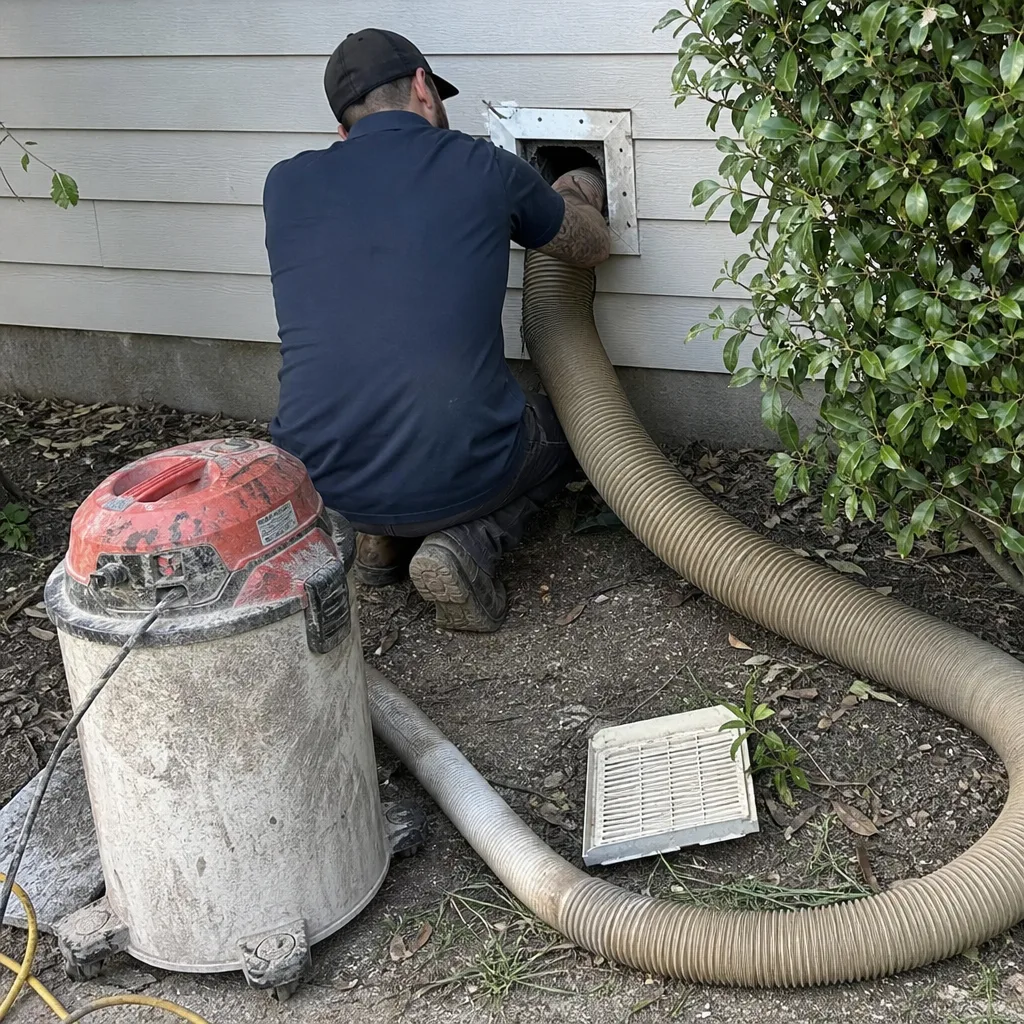 Before
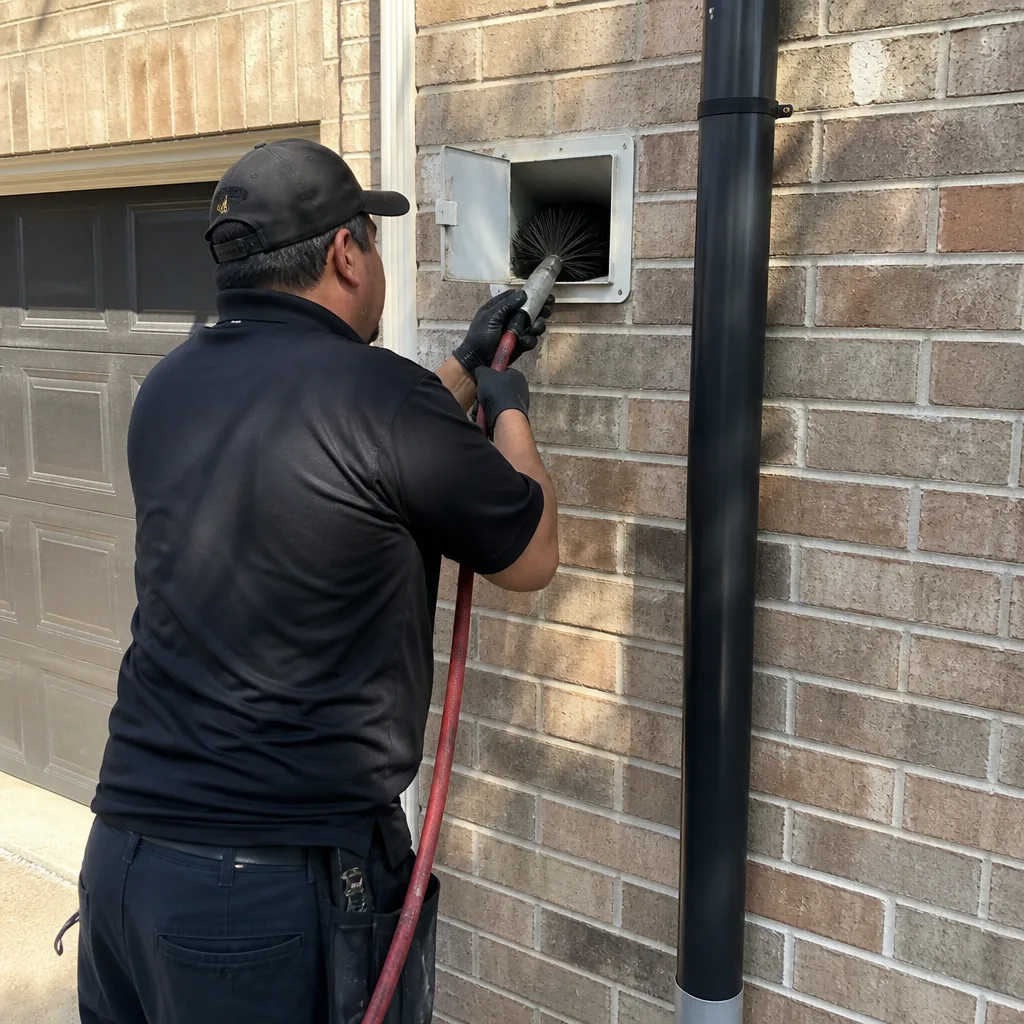 After
After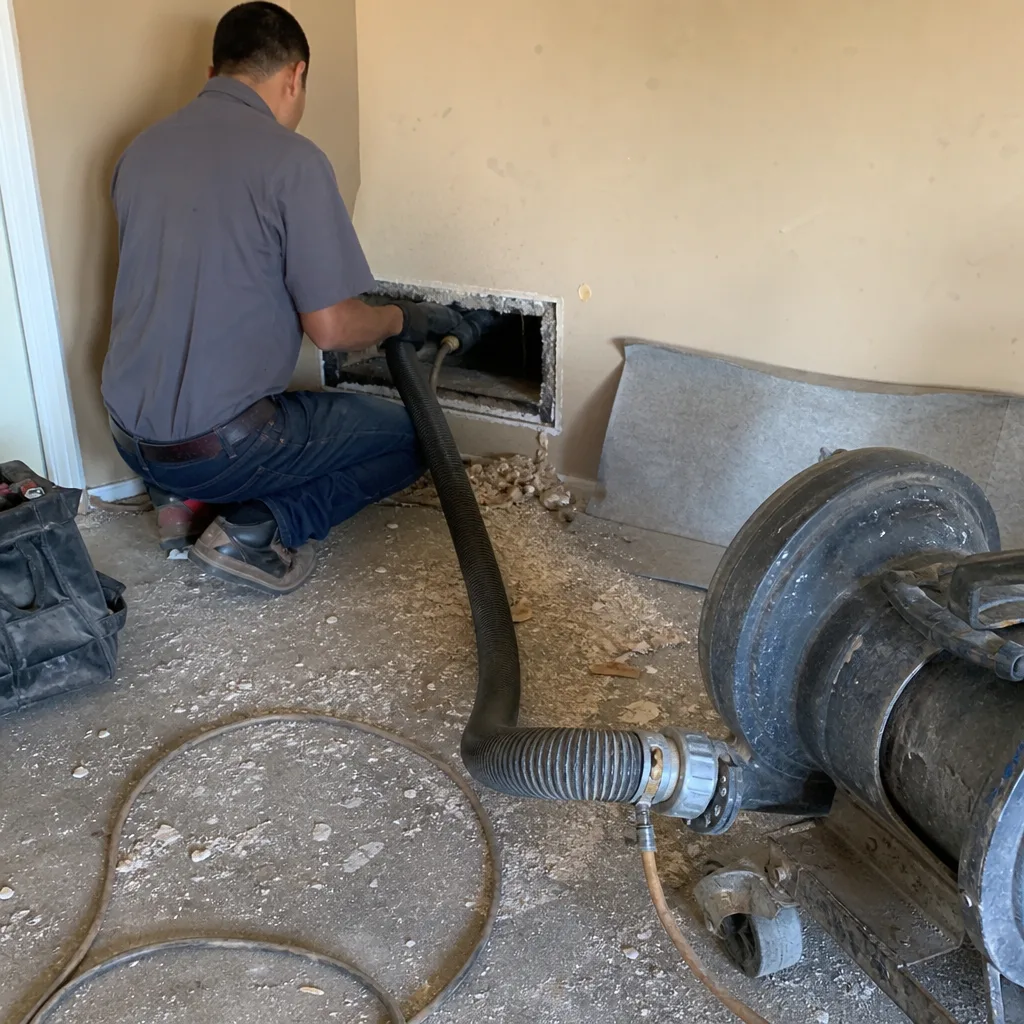 Before
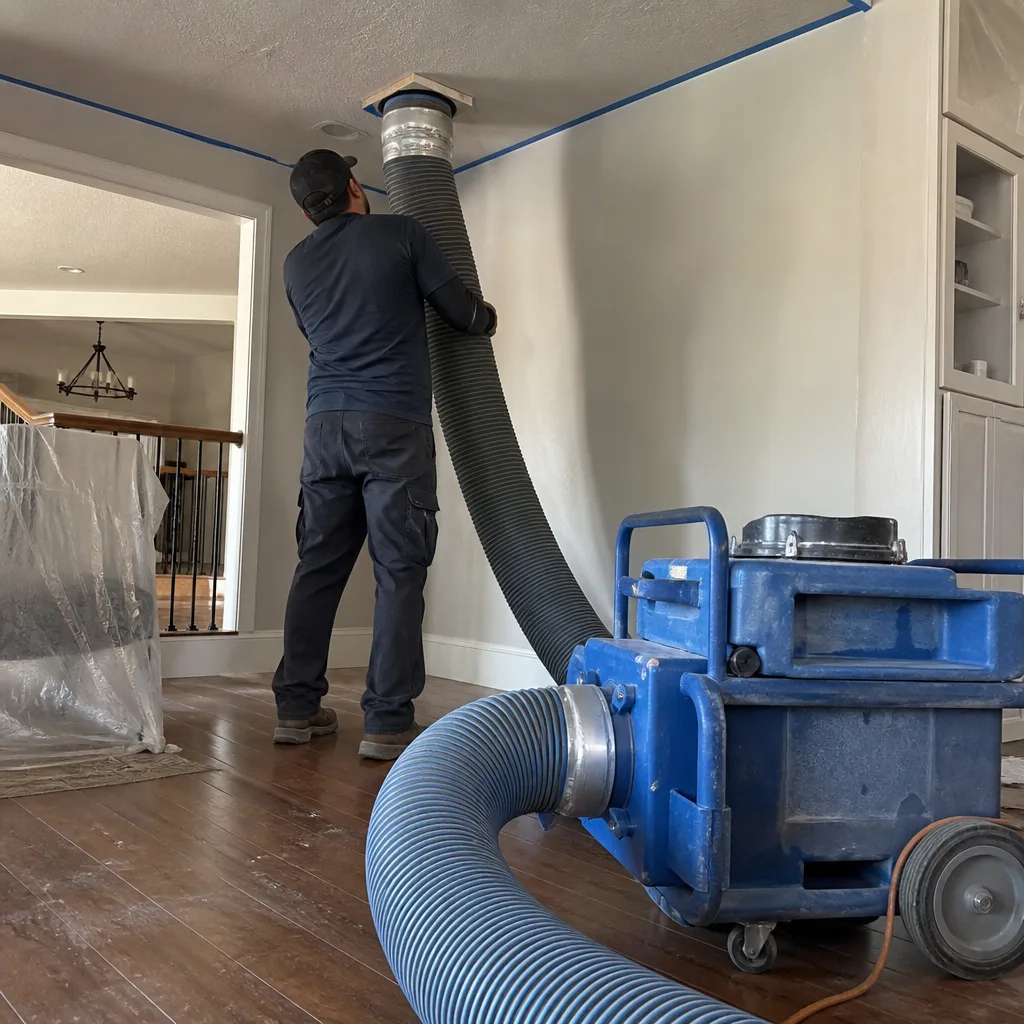 After
After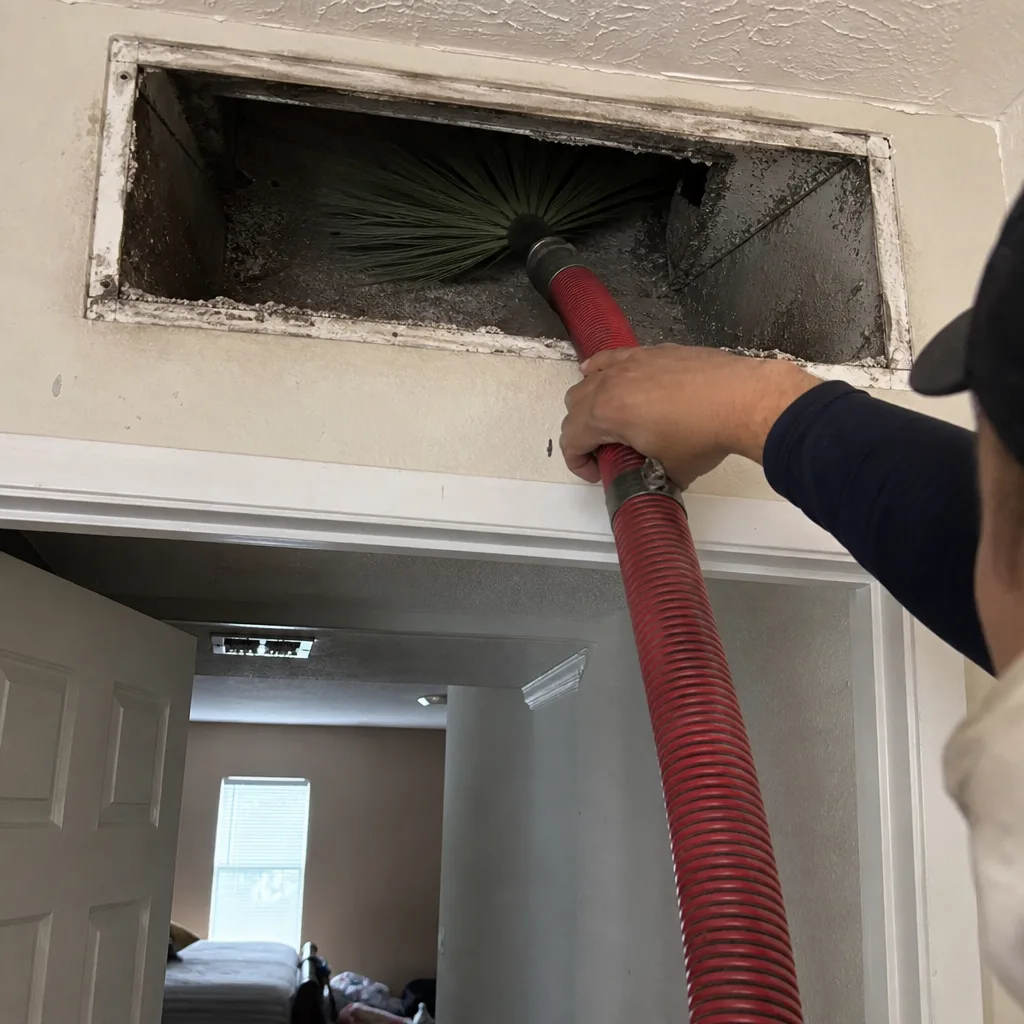 Before
 After
AfterAir Duct Cleaning Warning Signs: A Katy Homeowner’s Reference Guide
Visible dust collecting on your floor registers is the warning sign every duct cleaning company leads with - but in Katy, where builders oversized AC equipment on roughly 40% of homes constructed between 2015 and 2020, that dust often comes from a blower that short-cycles before the air ever reaches room temperature. We’ve photographed the inside of ducts in Cinco Ranch that were nearly spotless while the homeowner was wiping registers weekly, and we’ve found heavy contamination in Grand Lakes homes where the owner noticed nothing at all. The difference matters because one needs cleaning and the other needs a mechanical fix, and paying for the wrong service is how homeowners end up with a $400 invoice and the same problem six weeks later.
Quick Answer
The most reliable warning signs that your Katy home’s ducts actually need professional cleaning are: persistent musty odors that strengthen when the AC first cycles on, visible debris buildup inside the ductwork that you can see by removing a register and using a flashlight, and uneven dust patterns that correlate with specific duct runs rather than general household dust. Surface dust on registers, occasional sneezing, or a single high utility bill are not diagnostic on their own - they require matching symptoms to confirm duct contamination versus equipment problems, normal Katy humidity behavior, or household sources like construction dust or pet dander.
Table of Contents
- The Symptom-to-Cause Matrix: What Each Warning Sign Actually Means
- Musty Odors: Five Possible Sources, One That Means Duct Cleaning
- Visible Dust at Registers: Four Causes, and How to Tell Them Apart
- Uneven Room Temperatures: Duct Problem or Equipment Problem?
- High Utility Bills: Five Sources, Most Unrelated to Duct Contamination
- Warning Signs That Mean Stop Using the System Now
- How to Photograph Warning Signs Before a Contractor Arrives
- What’s Actually Normal in Katy’s Climate
BeforeAfterThe Symptom-to-Cause Matrix: What Each Warning Sign Actually Means
Most warning sign lists mix symptoms from three completely different systems: the ductwork itself, the HVAC equipment, and the building envelope. A homeowner who arrives at a contractor conversation knowing which system their symptom points to is significantly harder to upsell on services they don’t need.
Here’s how we break it down after twelve years and 52,000 homes. The left column is what you notice. The middle column is the most common cause in Katy homes. The right column is what actually fixes it.
| Warning Sign | Most Common Cause in Katy | Actual Fix Required |
|---|---|---|
| Musty odor when AC first cycles | Standing water in plenum or drain pan | Drain line clearing + duct sanitizing if mold is present |
| Visible dust on registers within 48 hours of cleaning | Oversized blower short-cycling | Load calculation + possible equipment resize |
| Uneven temperatures room-to-room | Duct leakage or improper balancing | Duct sealing (Aeroseal or manual) or damper adjustment |
| Black streaking on ceiling around registers | Thermal tracking from air leakage | Seal register boot to drywall, not duct cleaning |
| High summer electric bills | Low refrigerant or dirty condenser | HVAC service, not duct cleaning |
| Debris visible deep inside duct with flashlight | Actual duct contamination | Negative-pressure extraction cleaning |
The critical distinction: duct cleaning fixes contamination inside the duct runs. It does not fix equipment problems, duct leakage, or building envelope issues. A contractor who proposes cleaning for every symptom on this list is selling a single tool for every job.
Musty Odors: Five Possible Sources, One That Means Duct Cleaning
A musty smell that intensifies when your AC first kicks on is the most commonly reported warning sign in Katy, and it’s also the most misdiagnosed. The odor comes from microbial growth, but the location of that growth determines whether duct cleaning is appropriate.
Source 1: Standing water in the primary or secondary drain pan. In Katy’s 70+ days annually above 90°F with humidity above 75%, evaporator coils work continuously from April through October. A clogged condensate drain line backs water into the plenum, the large distribution box attached to your air handler. The plenum is upstream of the duct runs, so contamination here affects every room. The fix is drain line clearing and, if mold is confirmed, plenum and coil sanitizing. Duct runs downstream may need cleaning if spores have circulated, but the plenum is the primary problem.
Source 2: Dirty evaporator coil. The coil sits in the air handler and can develop microbial growth without any standing water. A musty odor from this source will be consistent, not just at startup, because the blower passes air over the coil continuously. The fix is coil cleaning, which is an HVAC service, not a duct cleaning service. We regularly see Katy homeowners quoted for full duct cleaning when the coil alone needs attention.
Source 3: Actual duct contamination with organic debris. This is the cleaning-appropriate cause. It occurs when previous water intrusion, rodent activity, or long-term dust accumulation has created a growth medium inside the duct runs themselves. The diagnostic clue: the odor varies by room or by duct run, and it’s strongest at registers farthest from the air handler where airflow is weakest and humidity lingers longest. In Katy, we see this most often in homes with crawl space ductwork in Cane Island and Cross Creek Ranch, where seasonal groundwater raises humidity in the crawl space.
Source 4: Return air pulling from musty spaces. A return register in a closet, garage, or crawl space can pull odors directly into the system without any contamination in the ducts at all. The fix is sealing the return pathway or relocating the register.
Source 5: Whole-house humidity above 60%. Katy’s outdoor design humidity is 76 grains per pound, and homes without adequate dehumidification can develop ambient mustiness that the AC distributes. The fix is humidity control, not cleaning.
To distinguish these yourself: note whether the odor is startup-only (Sources 1 or 3), continuous (Source 2), or present even with the system off (Sources 4 or 5). Check your condensate drain line for flow during AC operation. Remove one supply register and inspect the duct boot with a flashlight - actual duct contamination shows as dark, irregular staining on the metal, not uniform surface dust.
Visible Dust at Registers: Four Causes, and How to Tell Them Apart
Dust on floor registers is the warning sign that sells the most unnecessary duct cleanings in Katy. Here’s how to read what you’re actually seeing.
Cause 1: Surface debris agitated by short-cycling blowers. This is the Katy-specific problem. Builders in communities like Firethorne and Tamarron frequently installed 4-ton systems on 2,200-square-foot homes where 3 tons would have been correct. The oversized equipment reaches set temperature too quickly, shuts off before adequate dehumidification, and restarts frequently. Each start blasts settled dust from the immediate register area into the room. The dust pattern: light, uniform, returns within 1-2 weeks after wiping, and correlates with frequent cycling (you’ll hear the outdoor unit start 6+ times per hour on mild days). The fix is equipment right-sizing or blower adjustment, not duct cleaning. We’ve documented this in over 200 Katy homes since 2013.
Cause 2: Leaky return ductwork in attic or crawl space. A return duct with a separation pulls attic insulation, dust, and pollen directly into the system. The dust pattern: heavier near the leak location, often fibrous or irregular in texture, and may include visible insulation particles. In Katy attics that reach 140°F in August, this dust is baked and distinctive. The fix is duct sealing, not cleaning - though the ducts may need cleaning after the leak is repaired if significant debris was pulled in.
Cause 3: Actual duct contamination with accumulated debris. This produces dust that is dark, fine, and consistent across multiple registers served by the same duct run. The diagnostic test: remove a register and look past the boot into the duct with a flashlight. If you can see debris buildup on the duct floor or walls 12 inches or more from the opening, that’s contamination inside the duct, not surface dust. This is cleaning-appropriate.
Cause 4: Normal household dust concentrated by airflow. Every home generates dust. Supply registers create a slight pressure differential that deposits airborne particles on the nearest surface. The pattern: light, uniform, wipes clean easily, and does not return for 3-4 weeks. This is normal and does not indicate duct contamination.
Our documented photo record on every job lets us show Katy homeowners the difference. In 2022, a homeowner in Seven Meadows was prepared to pay for full duct cleaning based on register dust. Our camera showed clean metal 18 inches into every run. A load calculation confirmed 1.5 tons of oversizing. The fix was a blower adjustment at one-third the proposed cleaning price.
Uneven Room Temperatures: Duct Problem or Equipment Problem?
A room that runs 4-6 degrees warmer than the rest of the house is common in Katy homes with second-floor bedrooms or west-facing rooms. The cause is usually one of three things, and only one responds to duct cleaning.
Cause 1: Duct leakage or disconnection. A disconnected duct run in the attic delivers conditioned air into 140°F space instead of the room. The room gets minimal airflow and stays hot. The diagnostic: hold a tissue near the register - weak or no suction on the return side, and minimal airflow on the supply side. In Katy, we see this frequently in homes built 2015-2019 where flexible ductwork was poorly supported and has sagged or separated at connections. The fix is duct repair and sealing, not cleaning. Air Duct Cleaning in Katy addresses contamination, but leakage requires physical repair.
Cause 2: Improper duct balancing or insufficient return air. A room with adequate supply but no dedicated return path pressurizes slightly and cannot circulate air effectively. The master bedroom in many Katy floor plans has this problem - a large supply duct and a single door undercut as the only return path. The fix is adding a jump duct or transfer grille, or adjusting dampers to reduce supply to that room and increase it to better-connected spaces.
Cause 3: Duct contamination severe enough to restrict airflow. This is rare but real. Heavy debris buildup, collapsed flexible duct, or a partially blocked damper can reduce airflow to a specific room. The diagnostic: strong airflow at other registers on the same system zone, weak airflow at the problem register, and visible debris or damage visible with a flashlight inspection. This may require cleaning if contamination is the restriction, or replacement if the duct is collapsed.
The test we recommend before calling anyone: with the system running, check airflow at every register in the problem room and at a register in a comfortable room. If the problem room has weak supply and weak return, suspect leakage or disconnection. If supply is adequate but the room still won’t cool, suspect balancing or envelope issues. If supply is weak and other rooms on the same duct run are fine, suspect a localized blockage.
High Utility Bills: Five Sources, Most Unrelated to Duct Contamination
A single high bill or a gradual summer increase is the warning sign most commonly exploited by low-integrity contractors. In our experience across 52,000 homes, duct contamination is rarely the primary driver of high utility costs.
Source 1: Low refrigerant charge. The most common cause of sudden summer bill spikes in Katy. A system 15% low on refrigerant can increase consumption 25% while delivering poor cooling. The fix is leak detection and repair by an HVAC technician, not duct cleaning.
Source 2: Dirty condenser coils or restricted outdoor airflow. Cottonwood from Katy’s mature tree canopy, plus standard debris accumulation, reduces heat rejection. The fix is condenser cleaning.
Source 3: Duct leakage in unconditioned space. This is the duct-related cause that actually matters for bills. A typical Katy home loses 20-30% of conditioned air to attic leakage. The fix is duct sealing - Aeroseal, mastic, or mechanical repair - not cleaning. We offer duct sealing as a separate service because the equipment and skill set differ from cleaning.
Source 4: Failed economizer or stuck dampers. Some higher-efficiency systems use outdoor air economizers that can fail open, conditioning 95°F outdoor air continuously. The fix is controls repair.
Source 5: Actual duct contamination severe enough to restrict system airflow. This requires near-total blockage of significant duct runs and is visually obvious on inspection. In twelve years, we’ve seen this as the primary bill driver in fewer than 2% of homes.
Before considering duct cleaning for high bills: have your HVAC system serviced, check your filter condition and MERV rating (too high restricts airflow; too low allows coil fouling), and consider a duct leakage test if your home was built before 2020. HVAC Cleaning in Katy addresses the equipment side, which is where most bill problems originate.
Warning Signs That Mean Stop Using the System Now
Some symptoms indicate active safety hazards rather than maintenance needs. If you observe any of the following, turn off the system at the breaker and call a professional before restarting.
- Visible standing water near the air handler. In Katy’s high-humidity climate, standing water indicates a completely blocked condensate line or cracked drain pan. Water and electrical components in the air handler create shock and fire risk. It also means water has likely entered the plenum and downstream ducts, creating conditions for rapid microbial growth. Do not run the system until the water source is identified and the electrical compartment is verified dry.
- Burning smell from any register. This indicates overheating in the air handler - failed heat strips engaging improperly, blower motor overheating, or electrical component failure. The smell distributed through ducts means the system is actively circulating combustion products. Shut down immediately.
- Black streaking around supply registers that wipes off and returns within 48 hours. This pattern indicates thermal tracking - air leaking around the register boot, carrying particulate that deposits on the ceiling. However, if the streaking is accompanied by a musty odor and the black material is fuzzy or three-dimensional rather than flat staining, this can indicate active mold growth on the back side of drywall or in the duct boot. The 48-hour return after cleaning suggests an active source. Stop use and have the material tested before extensive remediation.
- Visible vermin or insect activity in ducts. Rodent droppings, nesting material, or insect husks visible at register openings indicate active infestation. HVAC airflow can distribute allergens and, in the case of certain rodent species, pathogens. Do not attempt DIY removal - disturbed droppings become airborne.
- Audible water sloshing in ducts. This indicates standing water in low points of the duct system, usually from a clogged drain line backing up into the plenum or from ductwork in a flooded crawl space. Running the blower can distribute contaminated water throughout the system and into living spaces.
For any of these symptoms, our standard process includes a full system inspection with documented photo record before any work is proposed. The 365-Day Done Right Promise applies to the complete repair, not just the cleaning component.
How to Photograph Warning Signs Before a Contractor Arrives
The photos you take before anyone arrives become your baseline for evaluating whether work was actually performed. We’ve developed this protocol from reviewing thousands of customer photos and identifying which ones help and which ones don’t.
For register dust or debris:
- Remove the register completely and photograph it against a neutral background - this documents the type and quantity of debris without ceiling color distortion.
- Photograph straight into the duct boot with a flashlight held alongside the camera lens, not behind it. The light source should be 6-12 inches from the opening, aimed down the duct centerline. This minimizes glare on the metal walls and shows the duct floor where debris accumulates.
- Take a second photo with the flashlight aimed at the duct wall at approximately 45 degrees - this reveals wall contamination that direct lighting washes out.
- Include a reference object in one frame - a ruler, a pencil, or your hand - for scale. “Debris” is meaningless without size context.
- Photograph the register opening from the room side with the register removed, showing the gap between duct boot and drywall. Gaps here indicate leakage, not contamination.
For odors (which cannot be photographed):
- Document timing: when the odor occurs (startup only, continuous, intermittent), which rooms, and whether it correlates with outdoor humidity or recent rain.
- Photograph your condensate drain line termination - usually near the exterior AC unit - while the system is running. Active flow should be visible. No flow during AC operation indicates a blockage.
- Photograph the access panel to your evaporator coil if reachable, or note if there is no access panel (a code compliance issue in itself).
For uneven temperatures:
- Photograph your thermostat setting and, simultaneously, a thermometer in the problem room. Timestamp both or include them in the same frame.
- Photograph all registers in the problem room with a tissue or light ribbon held in front - this documents relative airflow strength that you can compare to comfortable rooms.
These photos become part of your record. A contractor who cannot explain how their proposed work addresses what your photos show is a contractor to avoid. Our Haven Standard Clause 1 requires written pricing before work begins precisely so the scope can be evaluated against your documentation.
What’s Actually Normal in Katy’s Climate
Some observed phenomena in Katy homes are normal consequences of local climate and construction, not warning signs. Misidentifying these leads to unnecessary service calls.
Condensation on supply registers during high humidity. When outdoor dew points reach 75°F - common in Katy from June through September - cold supply air at 55-58°F will condense moisture on metal registers, especially on first-floor ceilings where cool air settles. This is normal. It becomes abnormal only if: the condensation is continuous (indicating supply air temperature too low, from low airflow or refrigerant issues), if it occurs on drywall or ceiling texture around the register (indicating air leakage from the boot), or if the moisture is accompanied by visible microbial growth. Wiping condensation from a metal register daily during August is not a sign of duct problems.
Light dust accumulation on floor registers within 2-3 weeks of cleaning. Normal household dust loading in Katy is elevated by pollen seasons (March-May for oak, September-November for ragweed) and by the fine caliche soil that becomes airborne during dry periods. A floor register in a high-traffic area will show visible dust in 2-3 weeks regardless of duct condition. The normal pattern: light, uniform, easily wiped, no odor.
Occasional odor when AC first starts after extended off time. A brief musty note at startup after the system has been off for hours is normal - it’s the residual humidity in the plenum and first few feet of duct. If the odor dissipates within 30 seconds and does not strengthen over time, it’s not diagnostic. Persistent or strengthening odor is.
Temperature variation of 2-3 degrees between rooms on the same thermostat zone. This is within normal system tolerance, especially for rooms with different solar exposure or ceiling heights. Variation above 4 degrees, or variation that worsened over time, indicates a developing problem.
Short cycling during mild weather. All fixed-capacity systems cycle more frequently when outdoor temperature is within 10 degrees of indoor setpoint. This is normal equipment behavior, though excessive cycling (more than 6 starts per hour) may indicate oversizing as discussed above.
The key distinction: normal phenomena are consistent, predictable, and stable over time. Warning signs that indicate actual problems worsen, vary by condition, or appear suddenly after a period of normal operation.
Common Mistakes to Avoid
- Accepting a per-vent or per-register price. This pricing model incentivizes contractors to find more vents to charge for and obscures the actual scope of work. CleanRun quotes one flat price per system, agreed in writing before work starts, based on the size of your home and HVAC configuration - Haven Standard Clause 1.
- Assuming a $79 coupon represents real service. In Katy’s market, equipment mobilization alone - Rotobrush or Nikro negative-pressure systems, HEPA filtration, camera equipment - costs more than $79 before labor. These offers typically convert to $400-800 invoices once the technician is in the home. Our free second opinion will put our written price next to any competitor’s quote.
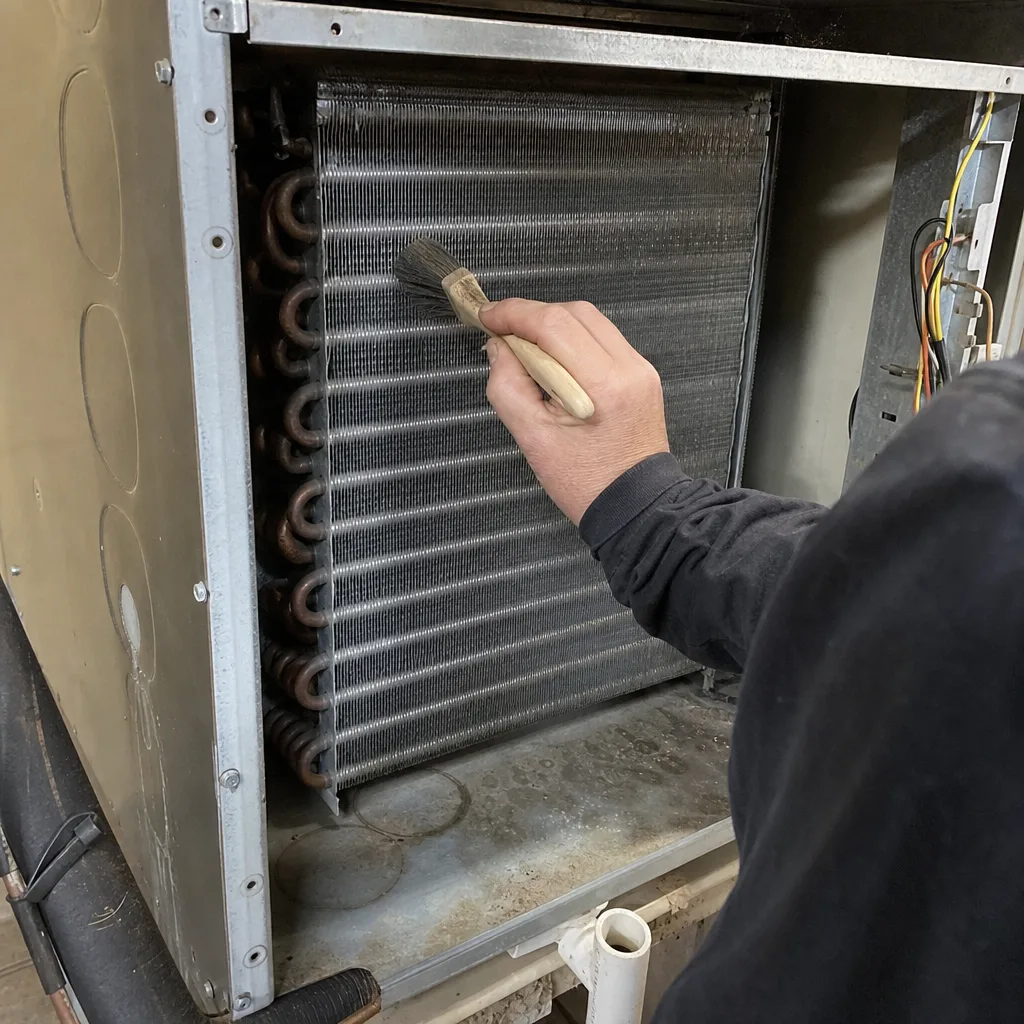
- Cleaning without addressing the cause. We see this repeatedly in Katy homes with oversized equipment: ducts are cleaned, registers look good for six weeks, then the same dust pattern returns because the short-cycling blower was never addressed. A proper diagnostic identifies whether cleaning is appropriate or whether the money is better spent on equipment adjustment or duct sealing.
- Ignoring the evaporator coil. A dirty coil upstream of clean ducts recontaminates the system immediately. Coil cleaning is a separate service with different equipment - our HVAC Cleaning in Katy page details when it’s needed. A contractor who proposes duct cleaning without inspecting the coil is incomplete.
- Not requesting before-and-after documentation. Without photographic evidence of what was actually inside your ducts, you have no verification that work was performed. Our documented photo record is standard on every job, delivered as part of the job record, not an add-on.
- DIY duct cleaning with household vacuums. Standard vacuums lack the HEPA containment and negative-pressure capability to prevent redistribution of fine particulate. More critically, flexible ductwork in many Katy homes can be damaged by aggressive mechanical contact. The safety caveat: if you can see vermin droppings or suspect mold, do not disturb - disturbed contamination becomes airborne and is more hazardous than undisturbed material.
- Waiting for “recommended” 3-5 year intervals without symptoms. The NADCA interval recommendation assumes average conditions. Katy’s climate, construction quality, and individual household factors vary enormously. Clean when symptoms indicate actual contamination, not on a calendar.
When to Call a Professional
Call for professional evaluation when: you can verify debris inside duct runs with flashlight inspection; musty odors strengthen at startup and persist beyond 30 seconds; room temperature variation exceeds 4 degrees and is worsening; or you’ve observed any of the stop-immediately warning signs above. Bring your photos and notes - a competent contractor will review them before proposing scope.
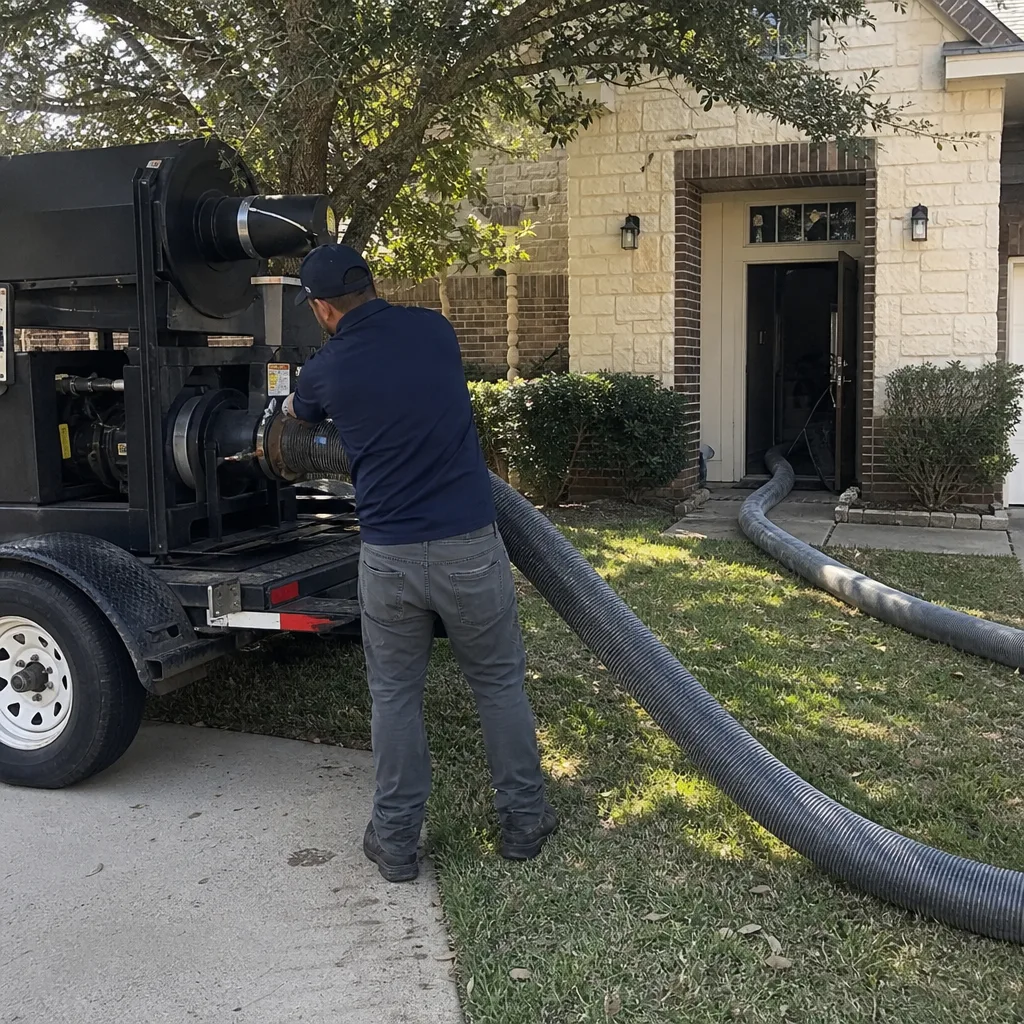
CleanRun Air Duct Cleaning Katy offers free estimates in Katy - call (346) 666-7165. Every estimate includes a written price before work begins, every job concludes with a documented photo record of every duct run, and every project is backed by the 365-Day Done Right Promise in writing. Our technicians are background-checked, uniformed, and identified by name before arrival under Haven Standard Clause 3: Verified Crews. Equipment on every truck includes Rotobrush and Abatement Technologies systems, with Aprilaire and Guardsman filtration components where specified.
Frequently Asked Questions
Whole-system duct cleaning for a typical 2,000-3,500 square foot Katy home ranges from $400 to $700 for negative-pressure extraction with register-level agitation and HEPA containment, with larger homes or systems with multiple zones running higher. The critical variable is whether the quote is a flat system price or a per-vent figure that expands once work begins. CleanRun provides one flat price per system in writing before any work starts - no per-vent add-ons, no post-arrival surprises. Call (346) 666-7165 for an exact quote; estimates are free.
Low quotes typically exclude necessary components: HEPA containment (without which dust is redistributed through your home), register-level agitation (without which surface debris remains), or access to the plenum and main trunk lines. The $79-$129 coupon price universally converts to a higher invoice on arrival, or delivers vacuum noise without extraction. Ask any contractor: is the price flat or per-vent? Is HEPA filtration included? Will every duct run be photographed before and after? The answers distinguish documented work from documented disappointment.
Require photographic documentation of the interior of every duct run, before and after, delivered as part of the standard job record - not offered as an add-on. CleanRun’s documented photo record has been standard practice since our first job in 2013. You should see metal surfaces, not debris, in after photos, with enough resolution to verify location (identifiable register patterns, construction features). Without this, you’re trusting a technician’s word about work performed inside concealed spaces.
There’s no fixed interval that applies to all homes. In Katy’s climate, with its extended cooling season and high pollen load, homes with no symptoms may go 5-7 years between cleanings. Homes with pets, recent construction, water intrusion history, or occupants with respiratory sensitivity may need more frequent attention. The correct trigger is verified contamination or symptom correlation, not calendar time. Annual HVAC maintenance and filter changes do more for air quality than scheduled duct cleaning in the absence of symptoms.
Duct contamination can contribute to indoor air quality degradation, particularly for individuals with asthma, allergies, or compromised immune systems. However, the health claims in much duct cleaning marketing are exaggerated. The actual mechanism: accumulated debris can harbor dust mites, pollen, and mold spores that become airborne when disturbed by airflow. The more significant health factor in Katy is usually whole-house humidity control - maintaining 50-55% relative humidity reduces both dust mite populations and mold growth potential regardless of duct condition. Duct cleaning is one component of a broader air quality strategy, not a standalone health solution.
Duct cleaning addresses the distribution system - the supply and return duct runs, registers, and grilles. HVAC cleaning addresses the equipment - the evaporator coil, blower assembly, condensate pan, and cabinet interior. A contaminated coil will recontaminate clean ducts immediately; clean ducts with a dirty coil still deliver poor air quality. In Katy’s climate, where coils operate 8+ months annually, equipment cleaning is often the higher priority. CleanRun evaluates both systems and scopes work accordingly - HVAC Cleaning in Katy details the equipment side.
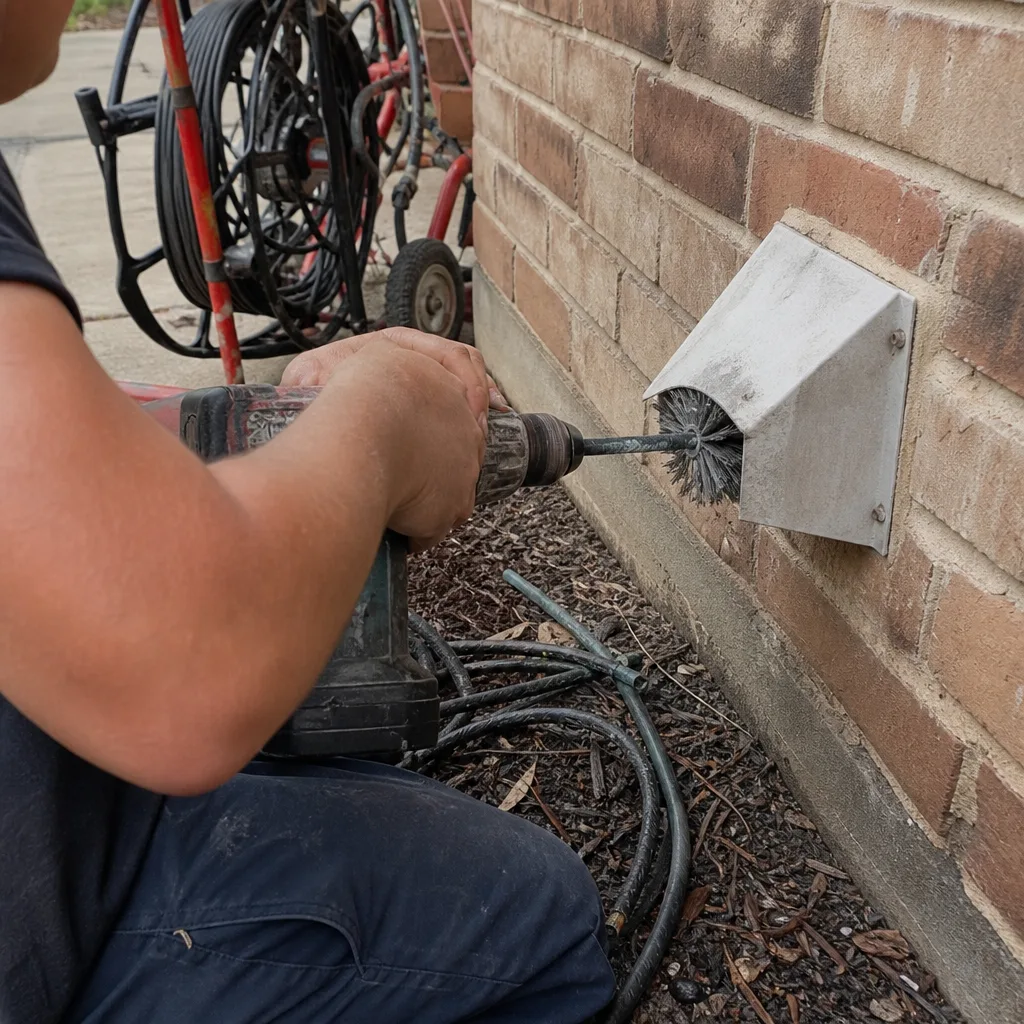
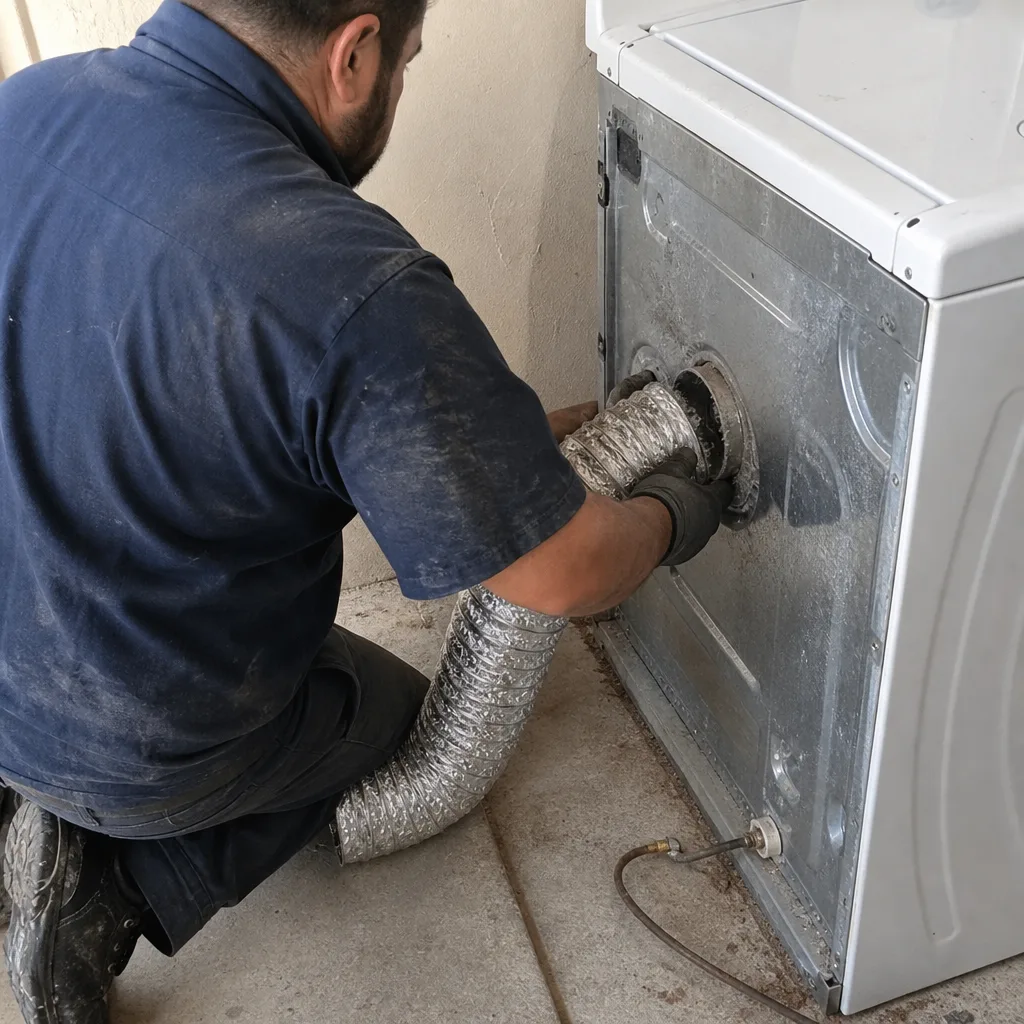
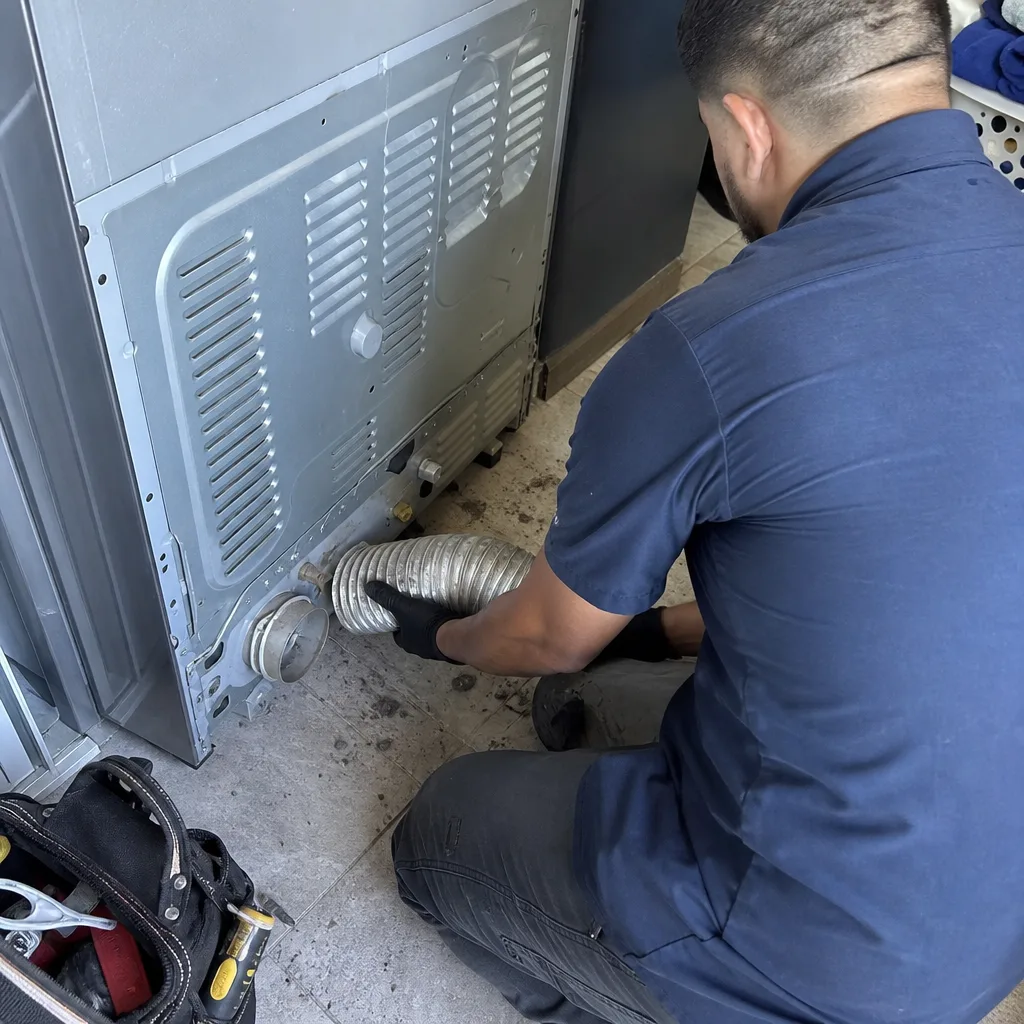
Dryer vent cleaning uses different equipment and addresses a different fire hazard, but scheduling both services together is efficient if both are due. A clogged dryer vent is a more immediate safety concern than moderate duct contamination - lint accumulation causes approximately 2,900 home fires annually. In Katy, where many homes have 15-25 foot vent runs through attics to exterior walls, annual dryer vent inspection is prudent. Dryer Vent Cleaning in Katy covers our process for that service.
The Bottom Line
Warning signs are diagnostic clues, not sales triggers. The homeowner who can distinguish duct contamination from equipment problems, normal humidity behavior from active mold growth, and surface dust from internal debris arrives at the contractor conversation with leverage. That leverage matters in a market saturated with coupon pricing and upsell pressure. Document what you observe, photograph with purpose, and demand written scope and pricing before any work begins. The goal is not to avoid duct cleaning - it’s to pay for duct cleaning only when duct cleaning is what you actually need, verified by evidence you can see yourself.
Written by Tomas Reyes, Owner at CleanRun Air Duct Cleaning Katy, serving Katy since 2013.